Do Dogs Hold Grudges or Just Remember What Happened?

Negative experiences can leave lasting behavioral traces.
©Image license via iStock

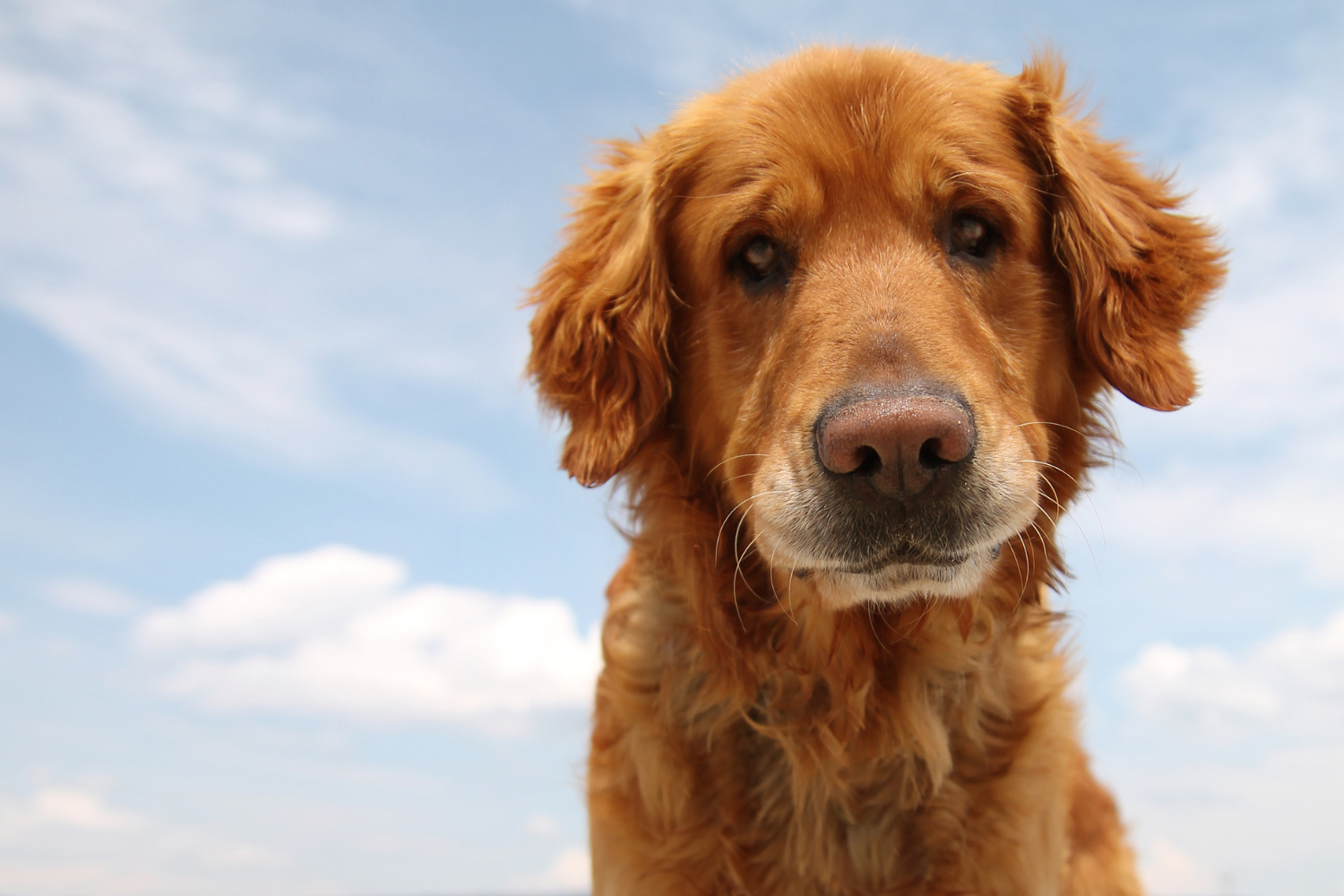
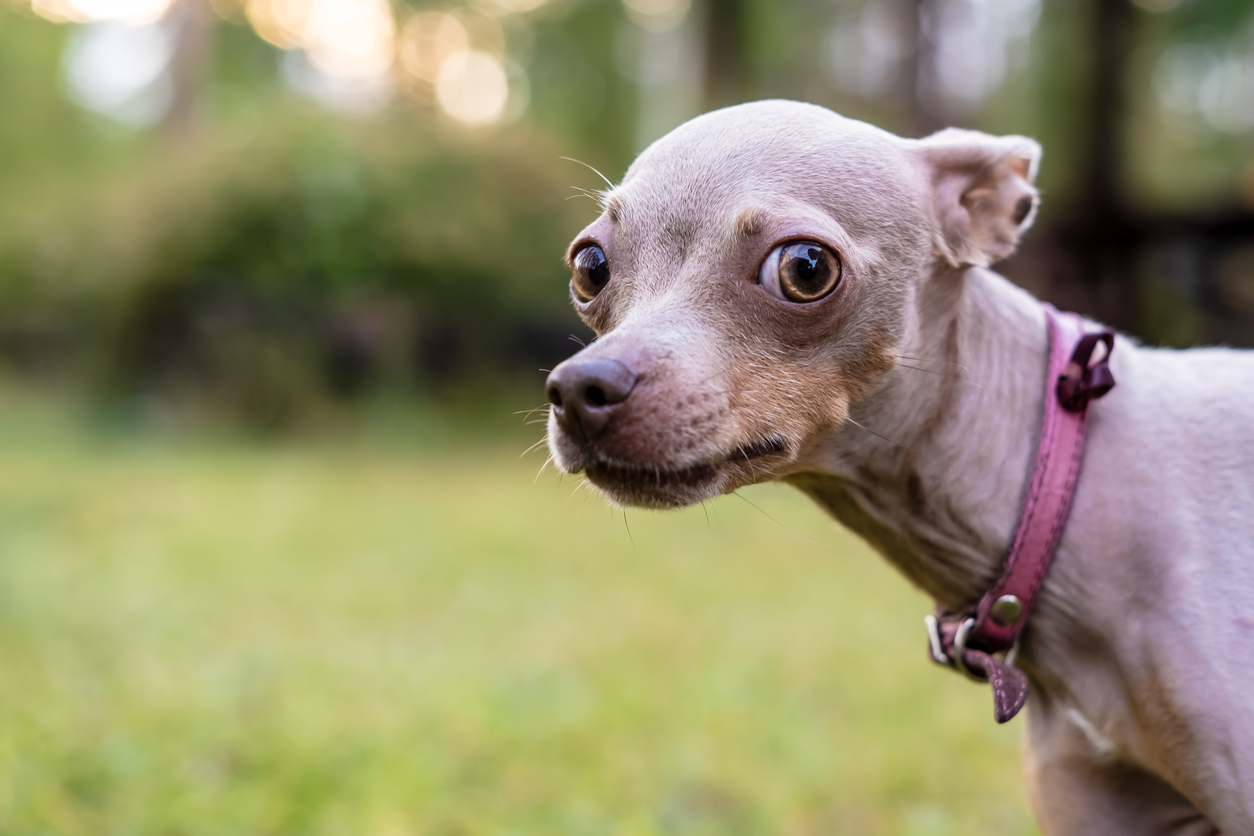
You’ve probably seen it before, your dog gives you the cold shoulder after a scolding or refuses to look at you after a trip to the vet. It feels personal, almost like payback. But experts say the truth is more fascinating and less emotional than it appears. While dogs do remember negative experiences, they don’t stew over them the way humans do. Their reactions are immediate, not moral. Modern studies show that dogs remember how an interaction felt, not why it happened, and those feelings, not grudges, shape how they behave next.

Read more

13 Geological Wonders That Don’t Look Real at First Glance

These landscapes confuse the eye before the brain catches up.

©Image license via Wikimedia Commons/Lobineau

At first glance these landscapes feel staged. Colors look exaggerated. Shapes appear intentional. Depth seems edited. Yet each formed through pressure chemistry erosion and heat over immense spans of time. Some sit beside roads. Others require permits or long hikes. What unites them is the moment when perception hesitates. Standing there people pause recalibrating assumptions about what the planet quietly builds without witnesses. Science eventually explains them but explanation rarely removes the unease completely that lingers long afterward for visitors.

Read more

What Cats Offer Gen Z That Parenthood Often Cannot

Economic pressure, lifestyle shifts, and emotional comfort play a role.

©Image PetsnPals/ChatGPT, happy couple with cat

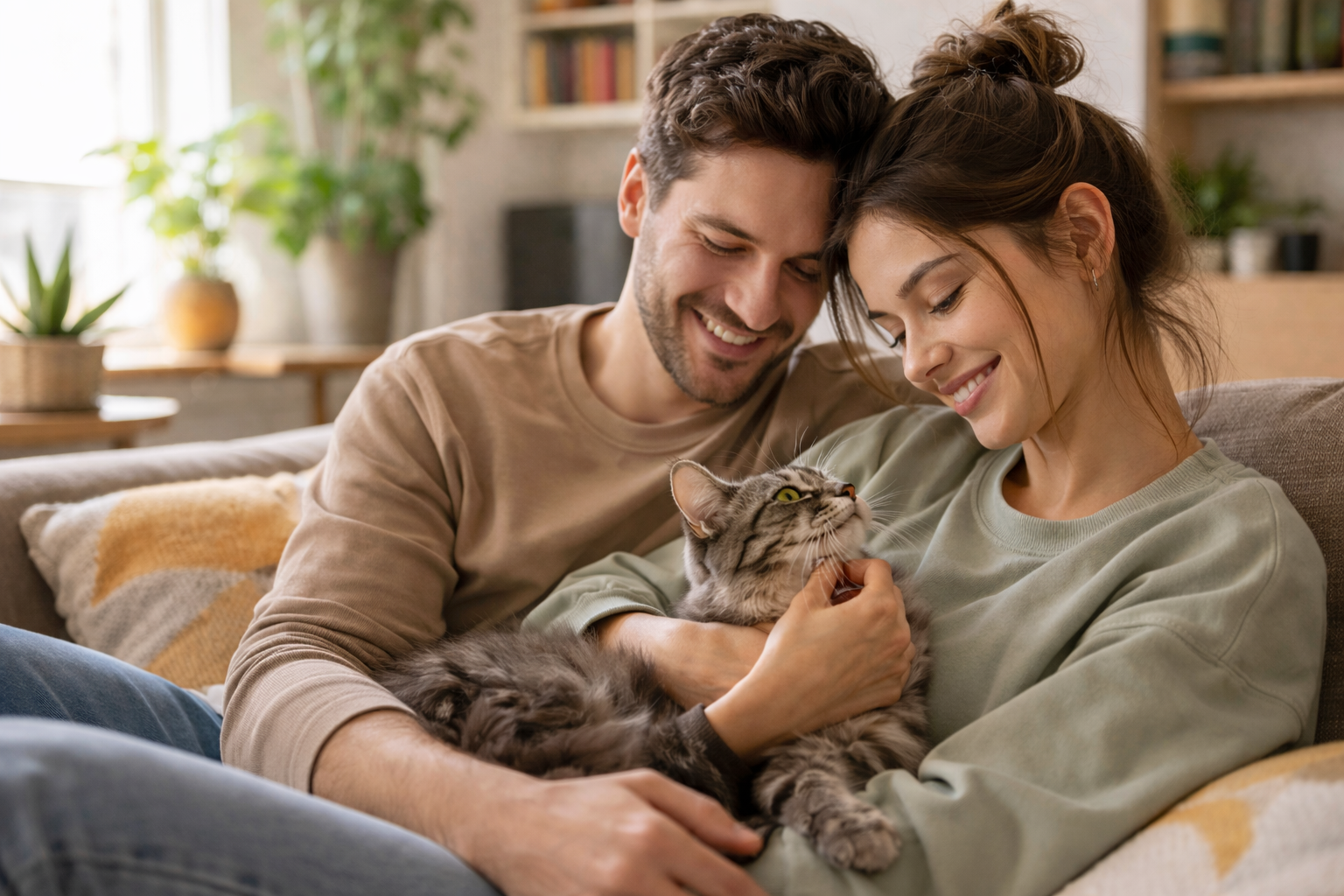
Across the U.S. and other developed countries, Gen Z adults are delaying or rejecting parenthood at rates higher than any generation before them. Instead, many are forming deep bonds with pets, especially cats, who offer companionship without the financial, emotional, and time demands of raising children. Sociologists, economists, and mental health researchers say this shift is not about immaturity or avoidance, but about changing realities. Rising housing costs, unstable job markets, climate anxiety, and evolving definitions of family are quietly reshaping how younger adults decide where to invest their care, energy, and future.

Read more

11 Places In The Wild Where Humans Are Basically Prey

Where the food chain stops favoring people.

©Image license via PetsnPals/ChatGPT

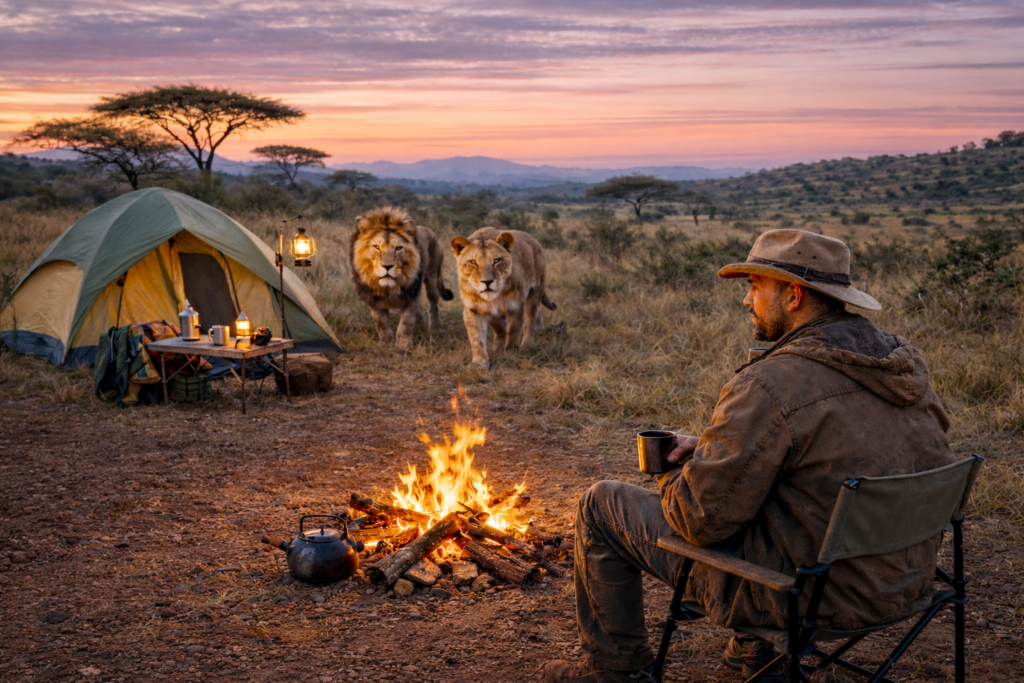
There are places on Earth where being human offers no advantage at all. In these regions, strength, intelligence, and tools fade against instinct, speed, and terrain. Predators do not hesitate, and landscapes do not forgive mistakes. People enter briefly, often overconfident, while the wild operates continuously. Here, danger is not rare or dramatic, it is routine. Survival depends on awareness, restraint, and knowing when presence alone makes you vulnerable. In such places, hesitation invites consequences that unfold faster than reaction.

Read more

When Dogs Forget Their Favorite People, How to Spot Dementia

The early signs often look subtle before becoming disruptive.

©Image via Canva

Watching a dog hesitate at a familiar doorway or struggle to recognize a once loved routine can feel devastating. For many aging pets, these moments are not stubbornness or disobedience, but early signs of canine dementia. As memory, awareness, and sleep patterns change, dogs may become anxious, disoriented, or distant. Owners are often left wondering when normal aging crosses into something more serious, and how to help before confusion deepens.

Read more