9 Cities Where NASA’s Heat Maps Just Exposed the Deadliest Neighborhoods

The maps don’t lie about where heat turns lethal first.
©Image license via Canva

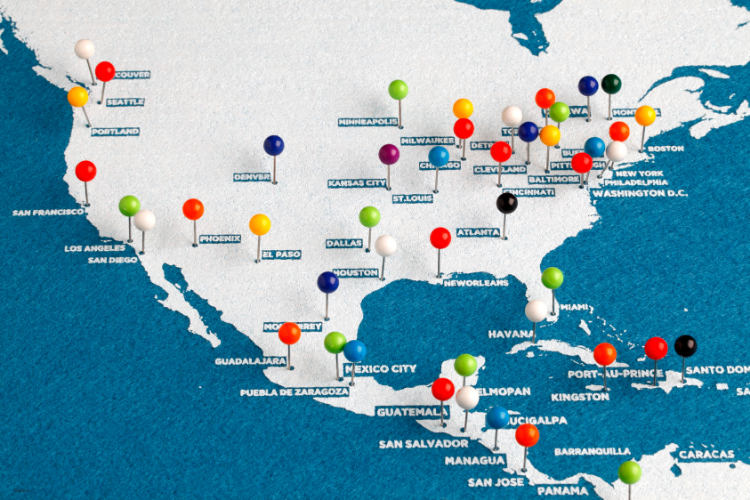
NASA’s satellites have been scanning American streets and rooftops, turning city maps into thermal confessionals. The patterns are brutally consistent. The hottest blocks show up where tree cover is scarce, asphalt sprawls wide, and homes struggle to stay cool when the sun refuses to back down. These images are not abstract—they are warnings made visible.

These aren’t just gradients on a screen. They are neighborhoods with names, histories, and families carrying the weight of triple-digit weeks. What the heat maps reveal is not random. It is a stitched-together story of infrastructure, policy, and survival that repeats from one metro to the next. Once you know which streets glow after dark, it’s impossible to ignore how much risk is coded into a zip code.
Read more

Meet the Diabolical Beetle That Can Survive Being Run Over by a Car

This tiny insect makes titanium look fragile.

©Image license via Flickr/Treebeard

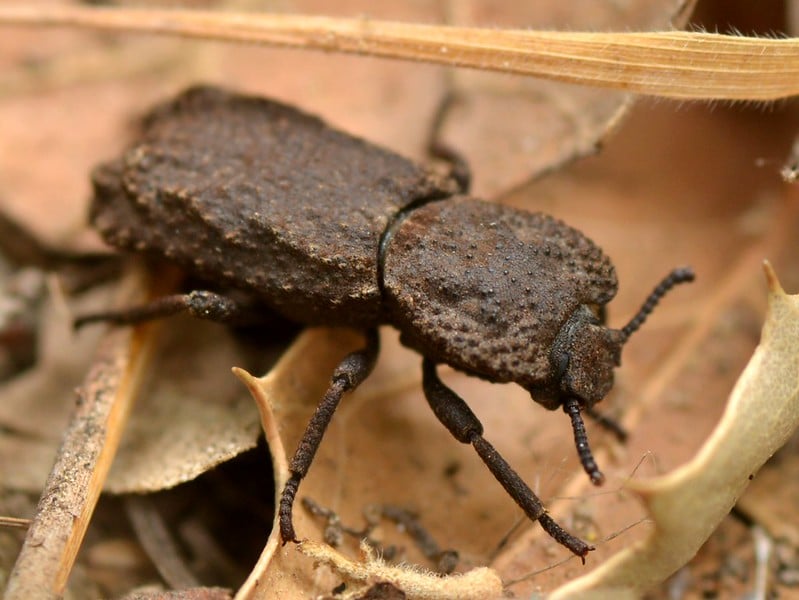
Nature has produced some remarkable survivors, but few creatures can claim to withstand the crushing force of a two-ton vehicle. The diabolical ironclad beetle lives up to its dramatic name with an almost supernatural ability to endure extreme compression.

While most insects would become nothing more than a stain on the pavement, this remarkable creature walks away from encounters that would flatten steel. Scientists have spent years trying to understand how something so small can be so incredibly tough.

Read more

A Climate Giant Long Thought Dormant May Be Waking Up, Scientists Warn

The past may not be as buried as we thought when it comes to Earth’s biggest systems.

©Image license via Canva

For decades, scientists treated certain planetary systems as stable—slow-moving, predictable, maybe even dormant. That sense of permanence lulled us into thinking they wouldn’t stir in our lifetimes. But new measurements suggest the sleeping giants of the climate are stirring again.

From ancient ice to methane locked under permafrost, these forces are showing signs of reawakening. The data doesn’t whisper; it pulses with urgency. Each shift feels small in isolation, yet together they paint a picture of a world edging closer to thresholds once considered unimaginable.

Read more

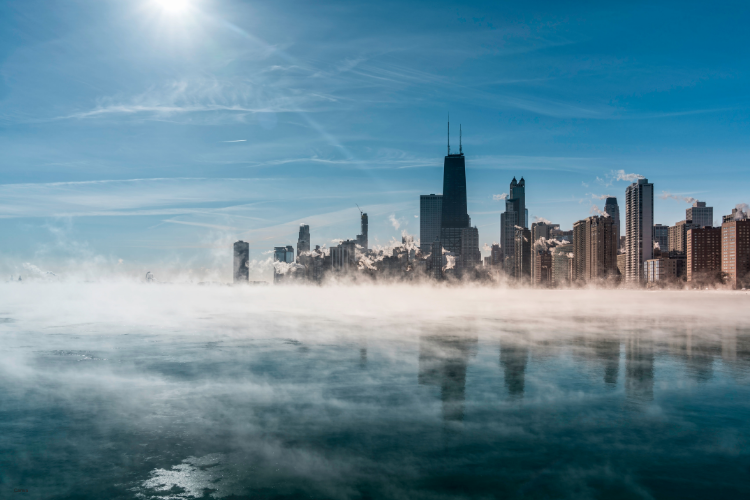
The Polar Vortex Could Decide How Miserable The Next Five Winters Will Be

Scientists are tracking atmospheric patterns that could trap millions in brutal cold for years.

©Image license via Canva

Think of the polar vortex like a massive atmospheric security guard that normally keeps Arctic air locked up tight around the North Pole. When it’s doing its job properly, we get normal winters with manageable cold snaps and predictable weather patterns.

But when this guard decides to take a break or gets knocked off duty, all hell breaks loose. The cold air escapes southward, turning everyday life into a survival challenge for millions of people across North America and Europe.

Read more

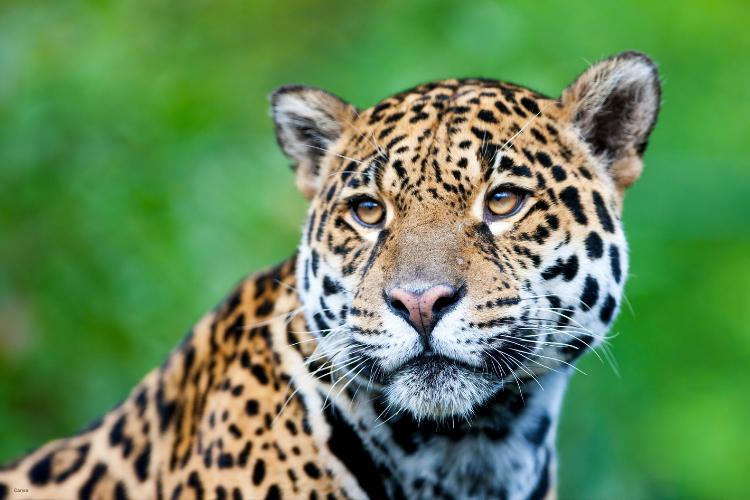
Arizona’s Border Wall Expansion Threatens to Trap America’s Rarest Big Cats in Mexico

Environmental groups say new construction threatens America’s last big cats.

©Image via Canva

Protesters gathered in Tucson this week to oppose federal plans for expanding border barrier construction through critical jaguar habitat in southern Arizona. The proposed 30-mile extension would cut through mountainous terrain where these endangered cats travel between Mexico and the United States.

Environmental activists warn that the new fencing could permanently sever wildlife corridors that jaguars have used for thousands of years. Only about 15 jaguars currently roam Arizona’s borderlands, making every migration route essential for the species’ survival in American territory.

Read more