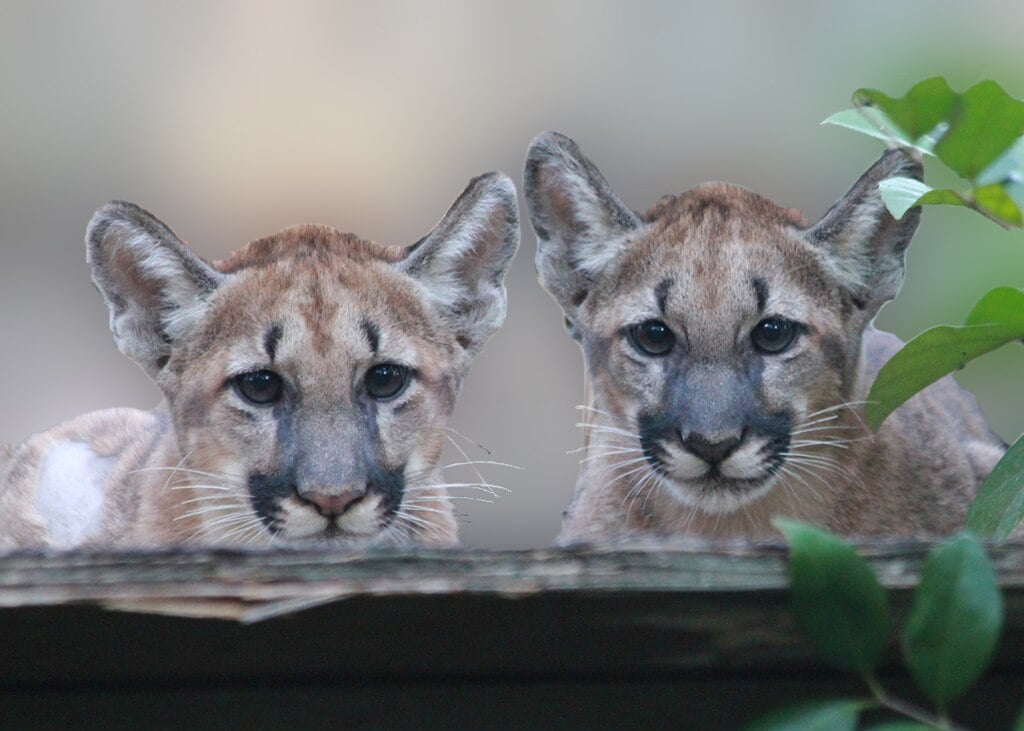
Two Florida Panther Kittens Killed by Vehicle Collision, Highlighting Species’ Fragile Future

Roads remain one of the deadliest obstacles for Florida’s most endangered cats.
©Image license via Wikimedia Commons/Michaelstone428

Earlier this month, two Florida panther kittens were struck and killed by vehicles in Collier County, bringing fresh urgency to one of conservation’s most stubborn challenges. The deaths were reported by state wildlife officials who track every loss, since each animal represents a meaningful percentage of the species’ limited population.

These collisions are not rare. In fact, road strikes remain the leading human-related cause of panther deaths, year after year. For a species with fewer than 250 adults left in the wild, every kitten lost is a blow to survival odds. The accidents also highlight how fragile coexistence remains in South Florida, where development keeps squeezing panthers into shrinking habitats bordered by highways.
Read more

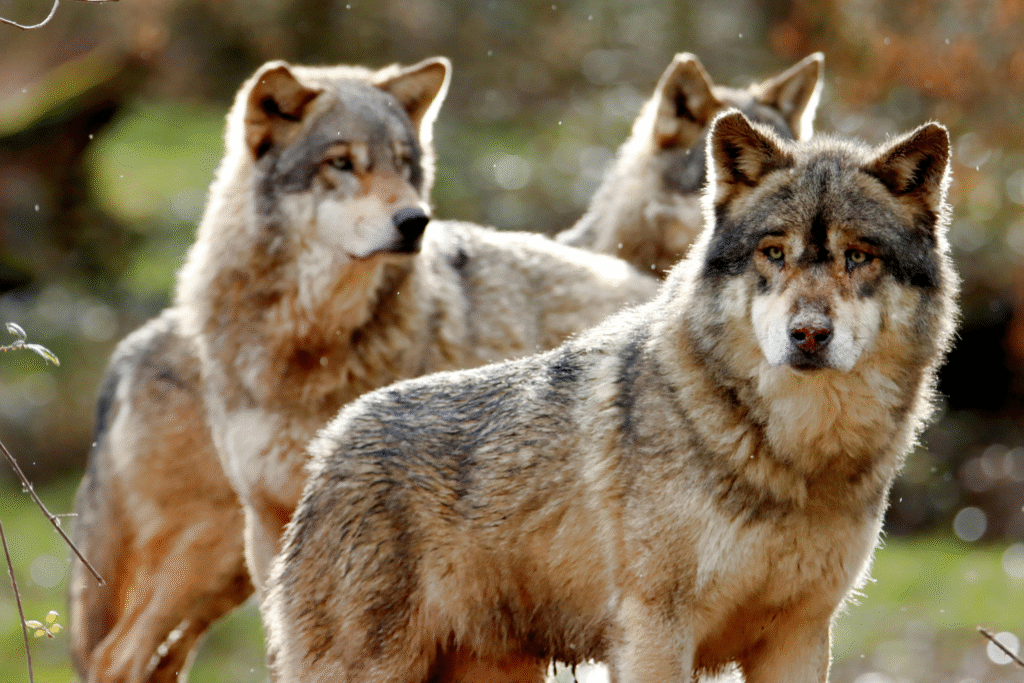
From Near Extinction to 1,200 Strong: Wisconsin’s Wolf Population Rebounds

A species once written off has clawed its way back onto the landscape.

©Image license via Canva

Fifty years ago, gray wolves were nearly gone from Wisconsin. Hunted relentlessly and driven from their habitat, the population plummeted to the point where biologists wondered if they would ever return. What seemed like the closing chapter of a story instead became the beginning of an unlikely comeback.

Now, an estimated 1,200 wolves roam the state. Their return has reshaped ecosystems, rekindled cultural debates, and forced communities to wrestle with what it means to live alongside a predator that refuses to disappear. The wolves are back, and their survival is reshaping the state’s identity.

Read more

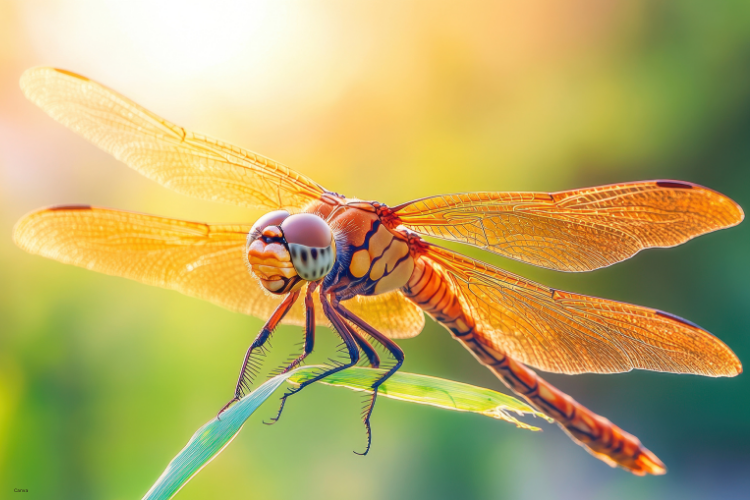
Highest Predator Success Rate on Earth Isn’t What You Think

The ancient sky beast we overlook is a perfect hunter.

©Image license via Canva

When most people picture the world’s deadliest hunters, they imagine lions on the savanna, sharks slicing through reefs, or wolves coordinating in packs. The truth sits in a place no one expects. The predator with the highest success rate on Earth is not a massive carnivore but an insect that looks like stained glass brought to life—the dragonfly.

What’s remarkable isn’t just their accuracy in the air, but the fact that this efficiency has roots stretching back hundreds of millions of years. Long before humans counted victories and failures, dragonflies perfected their aerial strike, and they’ve never really had to improve since.

Read more

How Musk Oxen Turn Their Herds Into Living Walls During Brutal Arctic Winters

Survival here depends on more than thick coats.

©Image license via Canva

When the Arctic wind cuts through open tundra, the musk ox does something extraordinary. It doesn’t just stand against the storm alone. Instead, it joins forces with its herd, weaving its body into a living barricade that transforms survival into a collective act of endurance. This isn’t instinct in the simple sense—it’s strategy passed down through centuries of icy winters.

Each movement, each shift in formation, creates a wall that grows stronger with every animal added. The tundra offers no forest, no cliff, no man-made shelter. The herd itself becomes the fortress, and it works.

Read more

A Simple Blood Test Could Save Your Dog From Years of Joint Pain

Early detection transforms how we protect our furry companions from arthritis.

©Image license via Canva

Watching your dog struggle to climb stairs or hesitate before jumping onto their favorite couch breaks your heart. What if I told you that a routine blood test could predict joint problems years before the first limp appears.

Veterinary medicine has quietly revolutionized early detection of canine arthritis. Scientists have identified specific biomarkers in blood that signal joint deterioration long before X-rays show damage or symptoms become visible to pet owners.

Read more