Scientists Discover the Answer to the Climate Crisis Growing Under Our Feet

The solution to our planet’s biggest problem might be hiding right beneath our feet.

©Image license via Canva

While governments debate carbon taxes and corporations engage in elaborate greenwashing campaigns, researchers studying soil ecosystems have been quietly documenting something extraordinary: vast underground networks of fungi, bacteria, and root systems that sequester atmospheric carbon at rates that dwarf our most ambitious technological solutions. These subterranean webs span continents and store carbon in forms so stable they remain locked away for centuries, effectively removing greenhouse gases through biological mechanisms that scale automatically without requiring massive infrastructure investments. These underground communities actively recruit atmospheric carbon through coordinated efforts involving billions of microorganisms per gram of soil, processing and storing CO2 through processes so efficient they convert greenhouse gases into stable organic compounds within hours rather than decades.

Read more

Japan Dumps Radioactive Water Into The Pacific Amid Outcry From Scientists And Neighbors

Tokyo proceeds with controversial discharge despite fierce international opposition.

©Image license via Wikimedia Commons/Ministry of Land, Infrastructure, Transport and Tourism

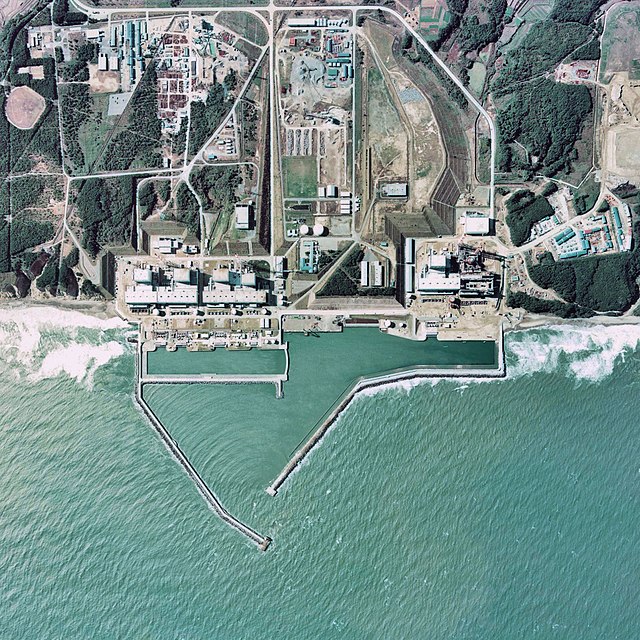
In 2023, Japan began releasing over one million tons of treated radioactive wastewater from the damaged Fukushima nuclear plant directly into the Pacific Ocean, ignoring protests from neighboring countries and environmental scientists worldwide. The water, contaminated during the 2011 nuclear disaster, has been accumulating in storage tanks for over a decade. Tokyo claims the water meets safety standards after treatment, but critics argue the long-term environmental consequences remain unknown. China immediately banned all Japanese seafood imports, while South Korea expressed grave concerns about marine contamination. The discharge process is expected to continue for at least 30 years, making this one of the largest radioactive releases into the ocean in modern history.

Read more

Travel-Ready Dogs: Preparing Your Pup for Road Trips, Flights, and Beyond

Taking your dog along for the ride sounds dreamy, but the real prep work is where the story gets interesting.

©Image license via Canva

Traveling with your dog isn’t just tossing a leash in the backseat and calling it a day. There’s a whole checklist of hidden challenges, from motion sickness to flight restrictions, that can turn a trip into chaos if you’re not ready. The good news is that dogs can actually be excellent travel companions when given the right tools, routines, and comfort. These tips show you how to turn your four-legged friend into the most relaxed passenger on the journey.

Read more

How Mini Horses Are Being Trained as Service Animals— It Actually Works

These pint-sized equines are revolutionizing accessibility in ways that even seasoned trainers find surprising.

©Image license via Canva

Picture walking through an airport and seeing a perfectly groomed miniature horse calmly guiding someone through security checkpoints. Your first thought might be that you’ve stumbled into some elaborate prank, but miniature horses are legitimate service animals under federal law, and they’re proving incredibly effective at tasks that even the most well-trained dogs struggle with. These tiny equines bring unique advantages to disability assistance that are changing how we think about service animals entirely.

Read more

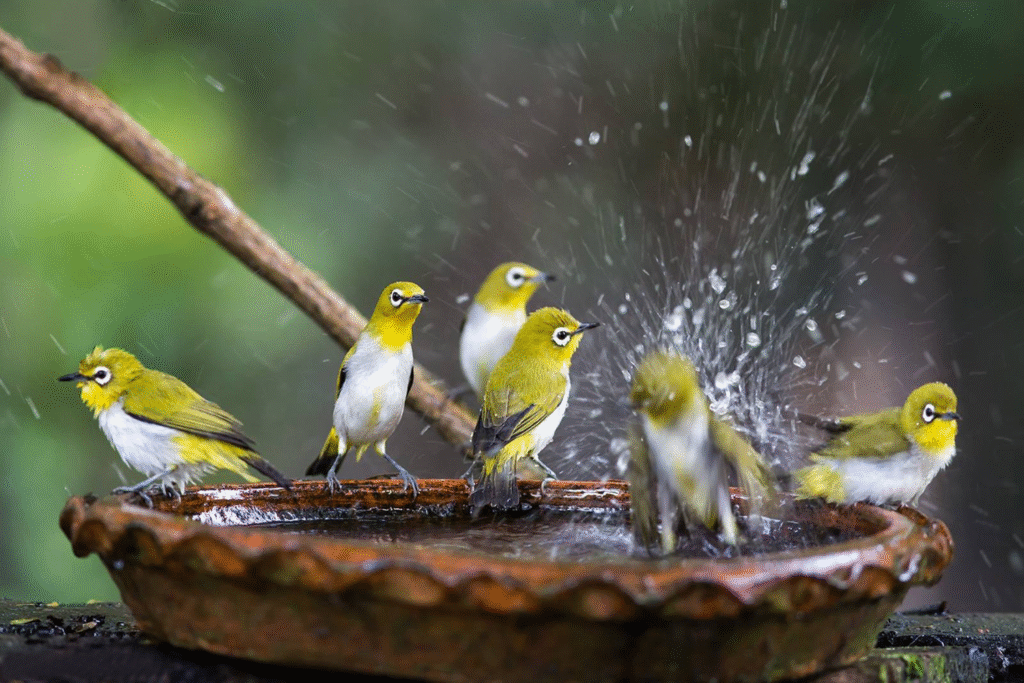
What’s Lurking in Your Backyard Birdbath Could Be Making Pets Sick

That innocent-looking water feature might be harboring more than just thirsty birds.

©Image license via Canva

Your backyard birdbath seems like the perfect peaceful addition to your garden sanctuary – birds splashing happily while your dog lounges nearby in the sunshine. But beneath that seemingly innocent water surface, a dangerous cocktail of bacteria, parasites, and toxic algae could be brewing. Recent veterinary reports show an alarming increase in pets falling seriously ill after drinking from contaminated birdbaths, with some cases requiring emergency hospitalization. What many pet owners don’t realize is that standing water becomes a biological hazard zone within just 24 to 48 hours, especially during warm weather when harmful microorganisms multiply at explosive rates.

Read more