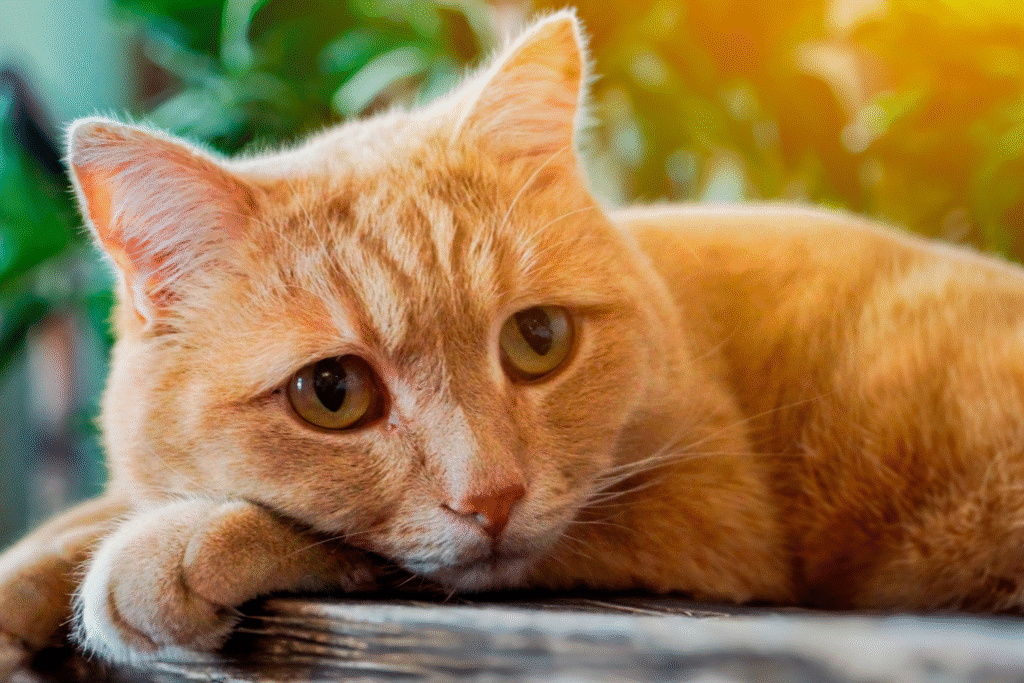
Why Your Cat Suddenly Stops Using the Litter Box

A confusing issue that has clear causes.
©Image license via Canva

Every cat owner eventually faces that moment when their perfectly trained pet decides the litter box is no longer the place to go. It feels sudden and personal, yet most of the time the reason is surprisingly logical once you know what to look for. Cats communicate through behavior long before they show symptoms or stress, so a litter box problem is often their earliest signal. In the next eight points we will walk through the most common explanations, helping you understand what your cat is trying to tell you and how to respond calmly and effectively.
Read more

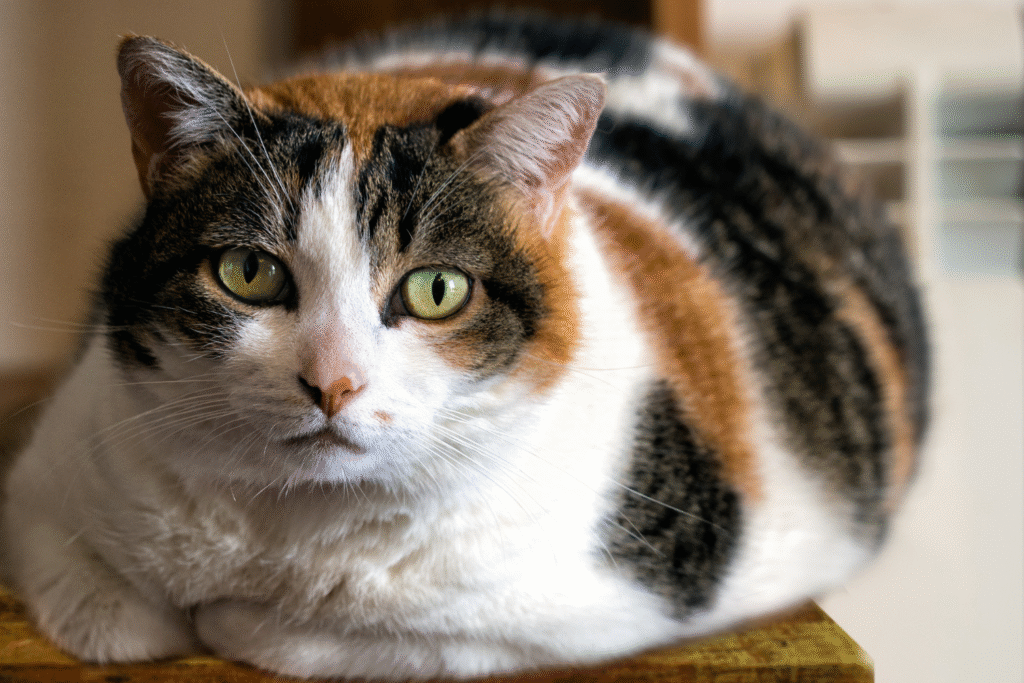
60 Percent of Dogs and Cats Are Now Too Fat to Stay Healthy, According to a New Global Study

A startling rise in pet obesity trends.

©Image license via Canva

Pet owners around the world are now facing a sobering statistic: more than half of dogs and cats may be overweight or obese. A sweeping global survey indicates that 60 percent of domestic dogs and cats now carry excess weight, raising serious health concerns. The trend reflects diet changes, less activity and evolving lifestyles that affect pets as much as people. Over the next eleven points we’ll explore the causes, consequences and what this means for the animals we love, in a way that helps make sense of the problem and what might be done about it.

Read more

12 Dangerous Ways the 2025 Shutdown Collapsed Food and Animal Safety Protections For Americans

Government lapse exposed flaws in safety systems.

©Image license via Canva

When the 2025 federal shutdown hit the United States, its effects rippled far beyond furloughed workers and stalled offices. It deepened vulnerabilities in food safety, animal welfare and the entire chain that links farm to table and farm to pet. Oversight inspections slowed, regulatory updates stalled and critical monitoring programs paused. As we move through each of the 12 ways this disruption played out, you’ll see how gaps opened and what “safe” really means when the machinery set up to protect it breaks down.

Read more

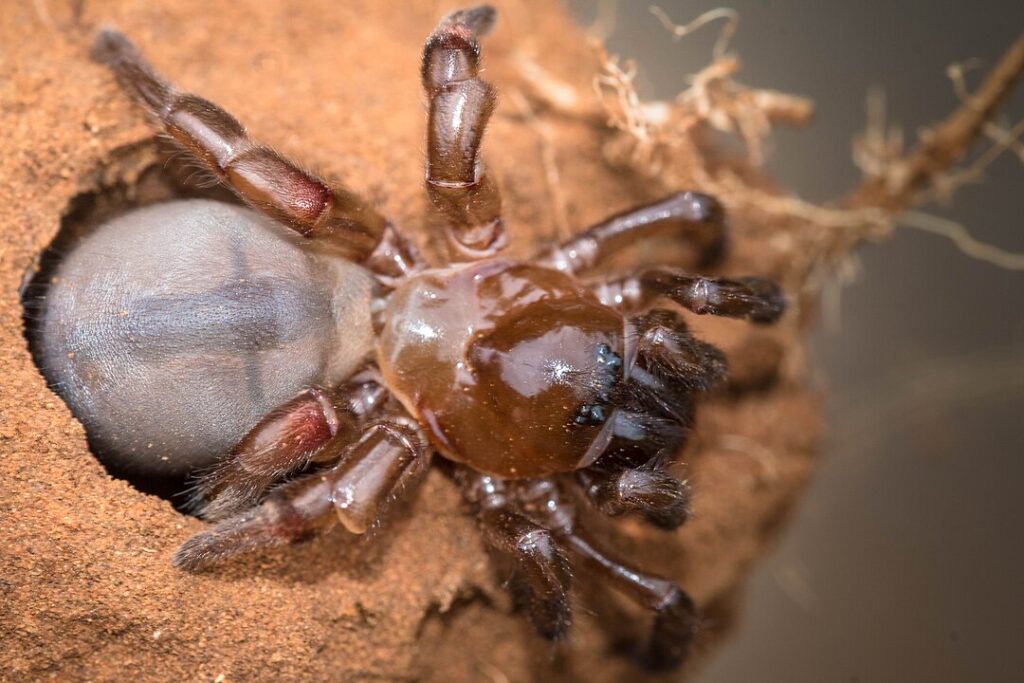
Spiders in the Sand? Scientists Find a Hidden Species Under California Beaches

A newly identified spider dwelling in sand dunes.

©Image license via Wikimedia Commons/RudiSteenkamp

Researchers exploring the sandy coastal dune systems of California have uncovered a previously unknown species of trapdoor spider living beneath beach dunes, and the discovery highlights how much biodiversity can still remain hidden even in familiar places. The new species, Aptostichus Ramirezae, found by the team from University of California, Davis, appears almost identical in appearance to a known species yet genetically distinct, which shows the limits of surface-level identification. With its habitat threatened by erosion, development and sea-level rise the find is a call to action for dune preservation and deeper exploration of under-appreciated ecosystems.

Read more

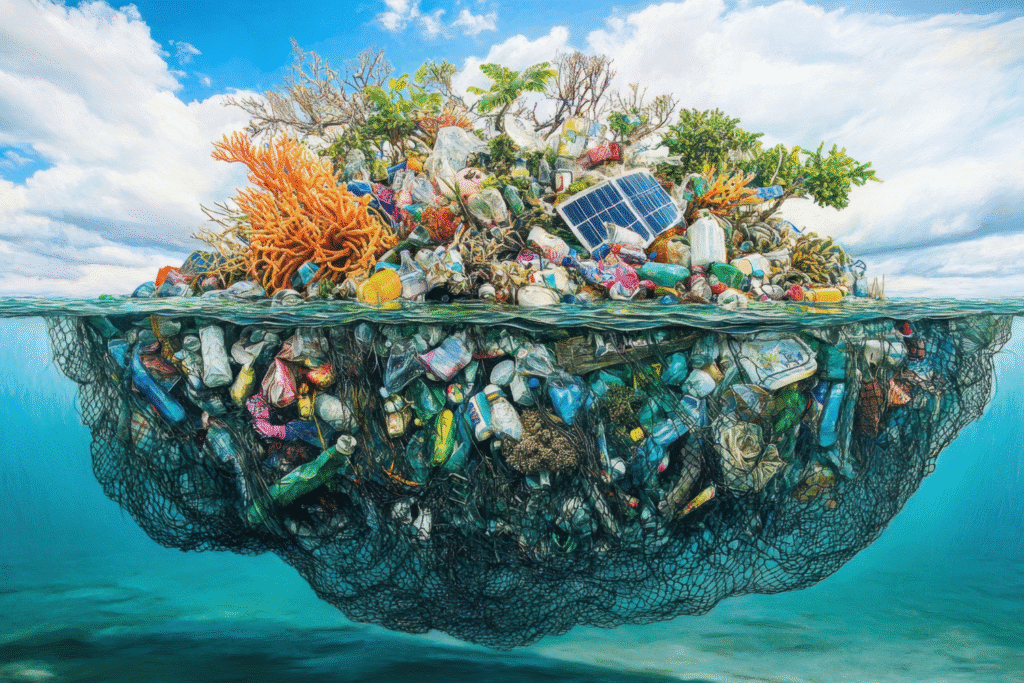
A Game Changing Plastic Eating Bacteria Has Just Been Found in the Ocean

Marine microbes adapt in surprising ecological ways.

©Image license via Canva

New research examining microbial communities from multiple ocean regions has revealed that certain bacteria have begun developing enzymes capable of breaking down common plastics, and the timing of this evolution appears tied directly to the global rise in plastic waste. Scientists studying water samples from surface currents to deep sea sediments found that enzyme abundance has increased dramatically over the last few decades, reflecting a rapid biological response to human made pollution. This discovery not only reshapes our understanding of microbial adaptability but also introduces new possibilities for long term cleanup strategies, ecological forecasting, and an evolving relationship between life and synthetic materials.

Read more