
Sleep locations reveal subtle signals cats cannot hide.
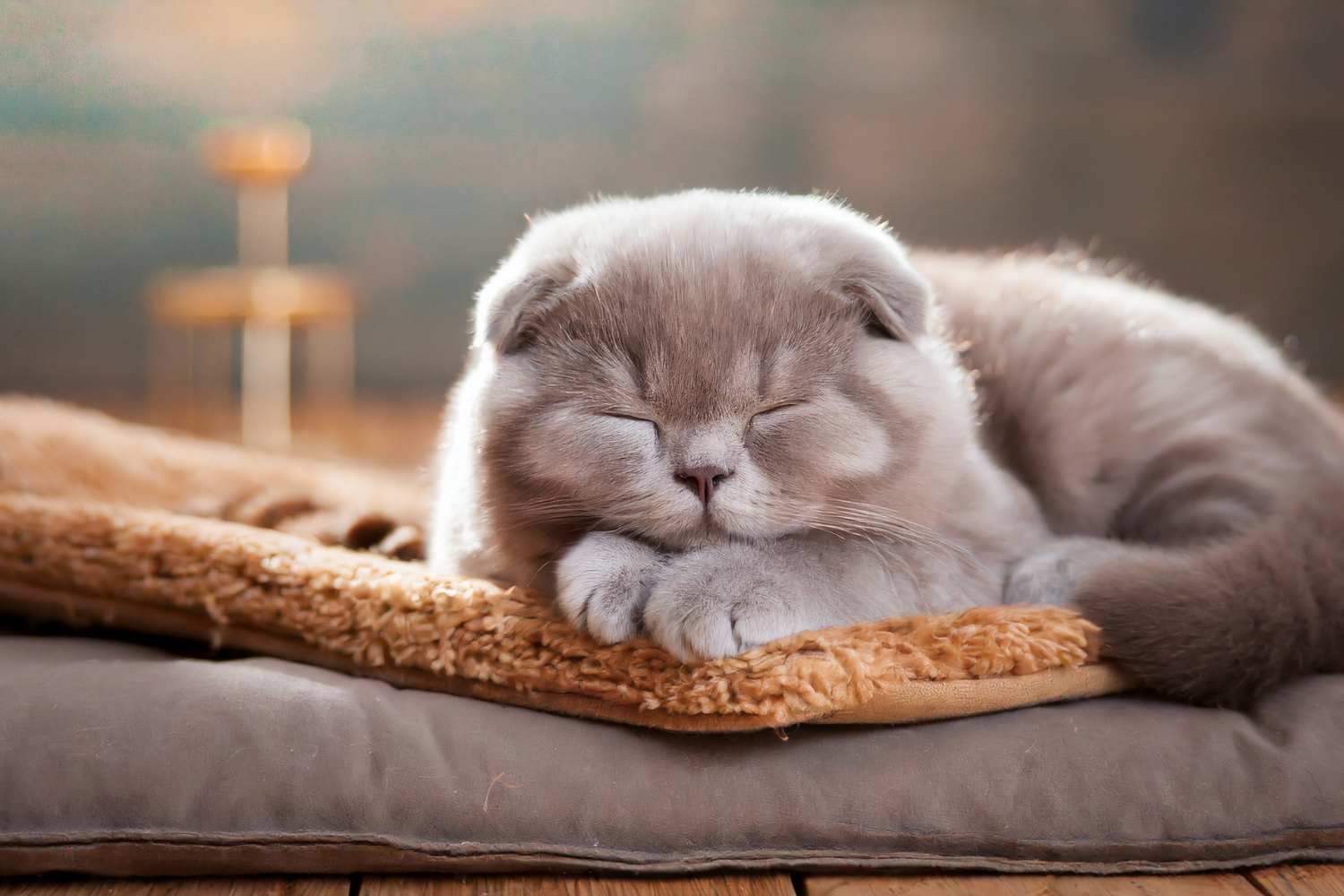
Cats sleep more than half their lives, but where they sleep matters as much as how long. A couch, tile floor, laundry basket, or cardboard box is rarely a random pick. Cats choose surfaces based on temperature regulation, joint comfort, safety, and internal changes their bodies are experiencing. These decisions often shift quietly before obvious symptoms appear. Paying attention to sleep surfaces can reveal early health clues long before appetite or behavior changes draw concern.
1. Hard floors can signal heat regulation stress.

Cats that suddenly abandon beds for tile, concrete, or hardwood floors may be struggling to regulate body temperature. Hard surfaces stay cooler and allow heat to dissipate more efficiently through the body. This shift often appears during warmer seasons, but it can also reflect internal heat stress unrelated to weather.
Hyperthyroidism, fever, or inflammation can drive this behavior. According to the Cornell University College of Veterinary Medicine, cats with elevated metabolic rates often seek cooler resting areas as their bodies generate excess heat. Persistent floor sleeping paired with weight loss or restlessness warrants closer attention.
2. Elevated perches may indicate anxiety or insecurity.

Cats that sleep on shelves, cabinets, or high furniture often prioritize safety over comfort. Elevation provides visual control and reduces perceived threats from people, pets, or noise below. While this can be normal personality behavior, sudden shifts upward can reflect emotional stress.
Changes in household routine, new animals, or illness can increase vulnerability. As stated by the American Association of Feline Practitioners, cats experiencing stress often modify resting locations to regain environmental control. Height becomes a coping mechanism rather than a preference when insecurity rises.
3. Soft bedding avoidance may reflect joint discomfort.

Cats with arthritis or early joint pain sometimes avoid plush beds that require sinking or repositioning effort. Firm surfaces provide stability and reduce pressure on sore joints when standing up or lying down.
This change is subtle and often overlooked. According to research reported by the Journal of Feline Medicine and Surgery, cats with musculoskeletal pain frequently alter resting surfaces before showing limping or mobility issues. Avoidance of soft bedding can be an early adaptation to discomfort rather than stubbornness.
4. Enclosed spaces often support pain management instincts.
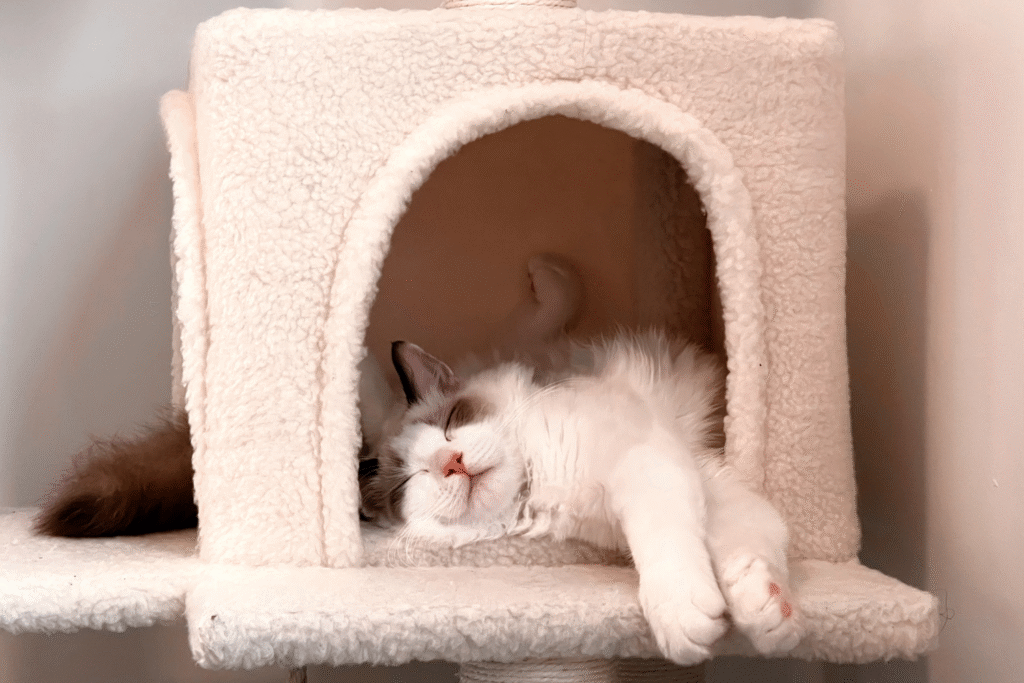
Boxes, drawers, and laundry baskets provide compression and boundary support that can soothe discomfort. Cats experiencing abdominal pain or general malaise may seek tight spaces that limit movement and external stimulation.
These environments reduce sensory input and help cats conserve energy. While many healthy cats enjoy boxes, increased preference for enclosed sleep spaces combined with reduced social interaction may signal underlying illness rather than simple comfort seeking.
5. Sleeping near humans reflects thermal and emotional needs.
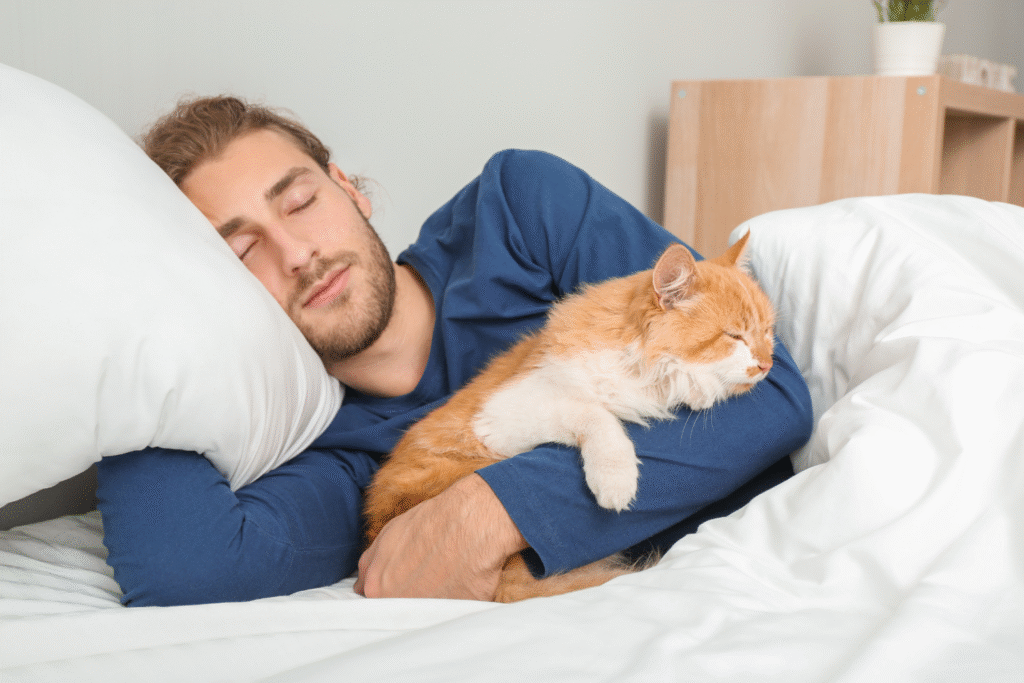
Cats often sleep near people to share warmth and access emotional security. A sudden increase in bed sharing may indicate the cat is cold, fatigued, or seeking reassurance during internal stress.
Illness can lower body temperature or increase vulnerability. Choosing human proximity becomes both a heating strategy and a safety response. When paired with changes in appetite or grooming, this shift can reflect more than affection alone.
6. Bathroom surfaces can indicate hydration or nausea issues.
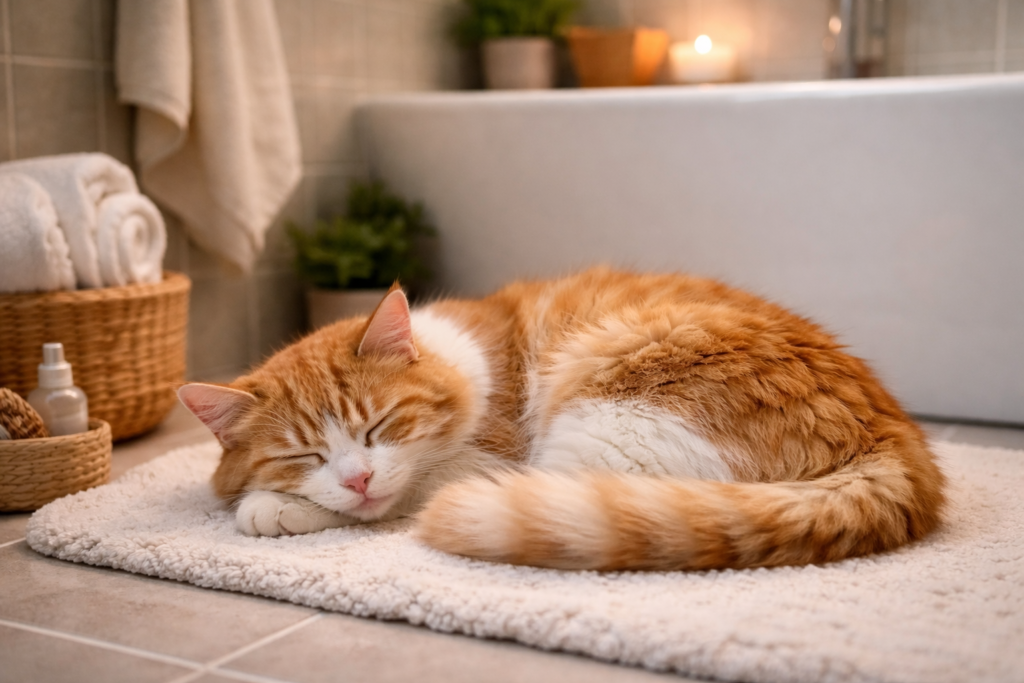
Cats sometimes choose bathtubs or sinks because the surfaces stay cool and are associated with water availability. This behavior may intensify when nausea, dehydration, or kidney stress develops.
The smooth surface is easy to settle on during discomfort. Frequent sleeping in bathroom fixtures combined with increased drinking or vomiting should prompt monitoring, as cats often gravitate toward these areas when gastrointestinal or renal systems feel unsettled.
7. Sun seeking may mask weight or muscle loss.
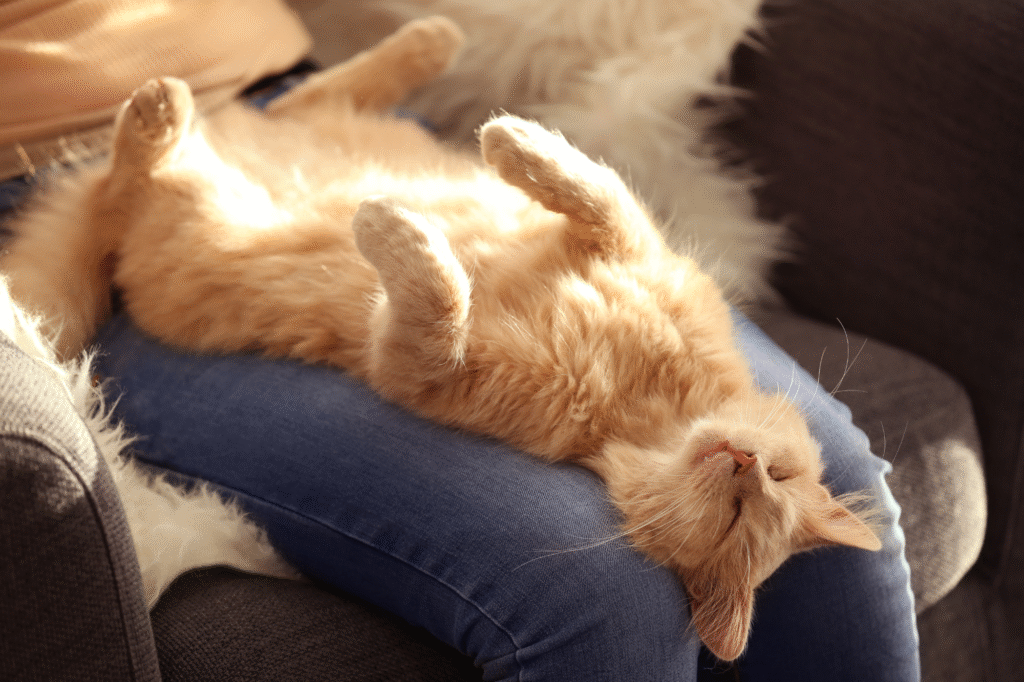
Cats that spend excessive time sleeping in sun patches may be compensating for reduced body insulation. Weight loss, muscle wasting, or poor circulation can drive a stronger need for external warmth.
Older cats and those with chronic disease often show this pattern. While sunbathing is normal, dramatic increases in heat seeking paired with thinning body condition can indicate metabolic or systemic changes requiring evaluation.
8. Constant surface switching can suggest neurological discomfort.
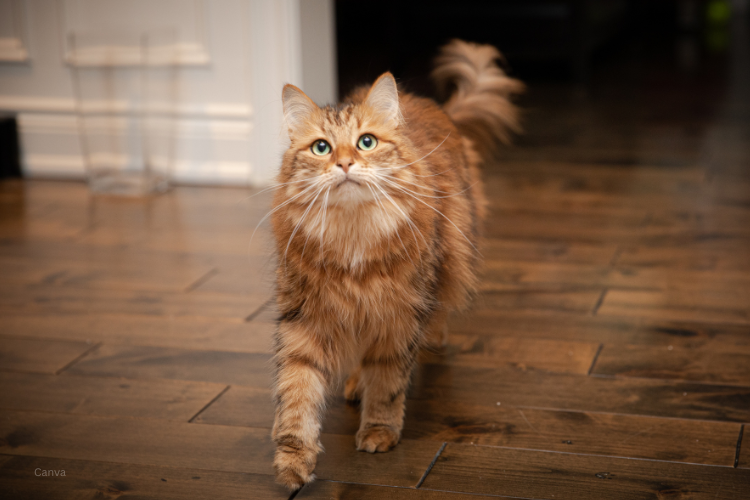
Cats that struggle to settle and rotate through many sleep surfaces may be dealing with sensory discomfort or internal imbalance. Neurological issues, pain, or anxiety can make no surface feel consistently comfortable.
This restlessness often appears before obvious coordination problems. When paired with altered sleep duration or vocalization, frequent surface switching may reflect deeper discomfort rather than indecision.
9. Preference for low ground can signal balance changes.
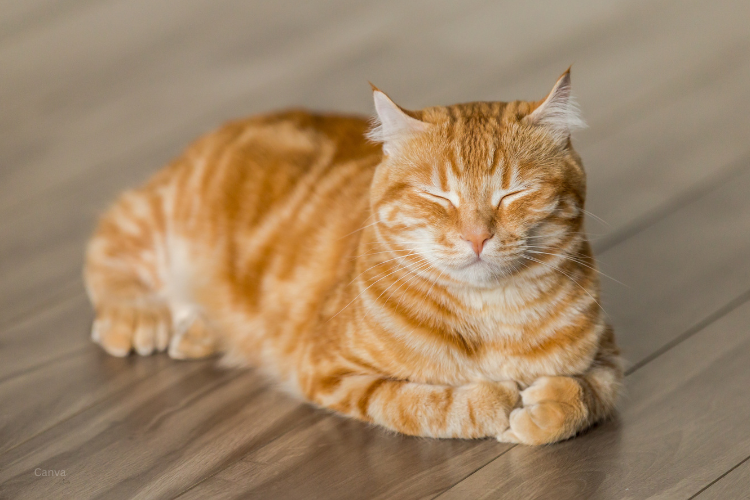
Cats that stop sleeping on elevated furniture and remain on floor level may be protecting themselves from dizziness or weakness. Inner ear issues, vision changes, or muscle loss can make climbing feel unsafe.
This behavior often develops gradually. Cats adjust quietly to maintain stability, choosing surfaces that reduce fall risk long before owners notice mobility decline.
10. Sudden sleep surface changes deserve close observation.
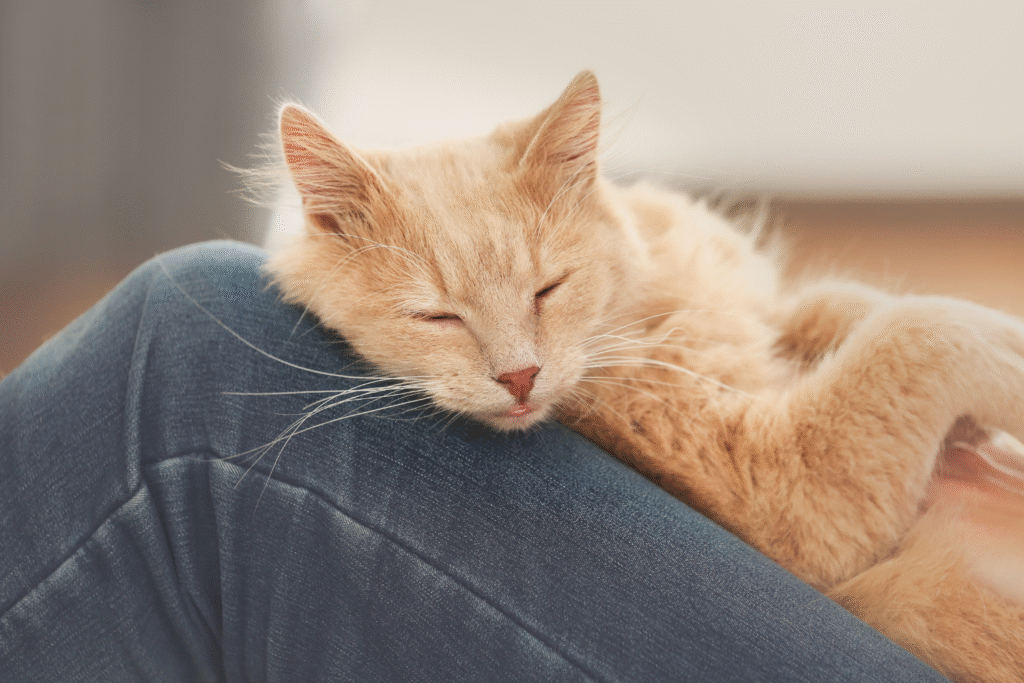
The most important signal is change itself. Cats are creatures of habit, and abrupt shifts in sleeping surfaces often reflect internal adjustments before outward symptoms emerge.
Tracking where a cat sleeps over time provides valuable insight. When changes persist or cluster with other subtle signs, they offer an early opportunity to address health concerns while intervention is still simpler and more effective.