
Small signals that carry surprising meaning.
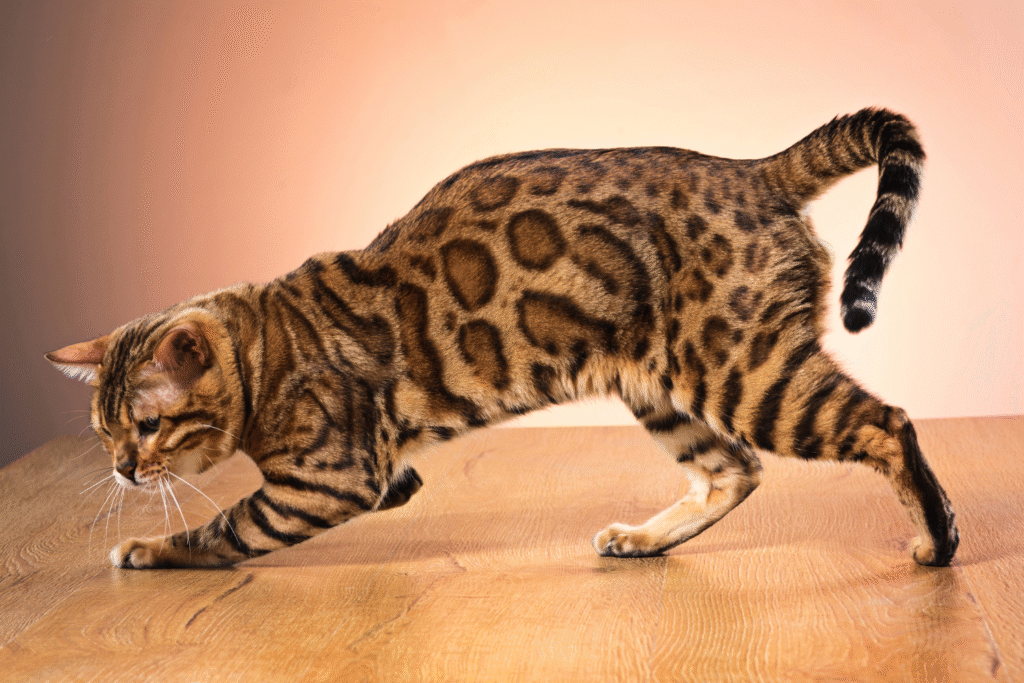
A cat’s tail is a communication system shaped by evolution, tension and survival. It telegraphs emotional shifts long before a sound is made, and its movements can be read with surprising accuracy once you know what to watch for. Across living rooms, backyards and crowded apartments, cats use precise tail positions to negotiate comfort, stress, curiosity and social intent. The subtle changes rarely happen by accident, which is what makes this form of communication so revealing.
1. A lifted tail signals open and confident engagement.
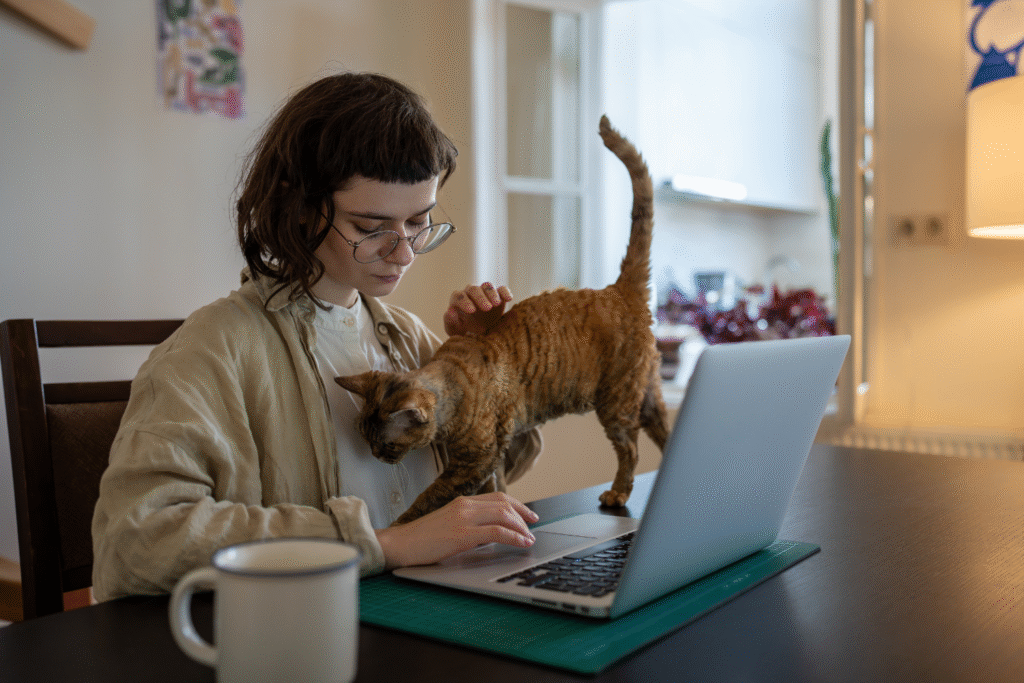
A raised tail often means a cat feels safe enough to approach, especially during encounters at home or familiar outdoor spaces. Many behaviorists note that this posture appears during calm social greetings according to PetMD. The tail rises with relaxed muscles, giving the cat a balanced and inviting stance.
This signal becomes more pronounced when the tip tilts slightly forward, showing anticipation. Cats approaching trusted humans usually shift into this posture before making physical contact. The upward movement communicates stability and readiness to connect, giving you a clear glimpse into their comfort level even before they reach you.
2. A lowered tail reflects stress or active uncertainty.
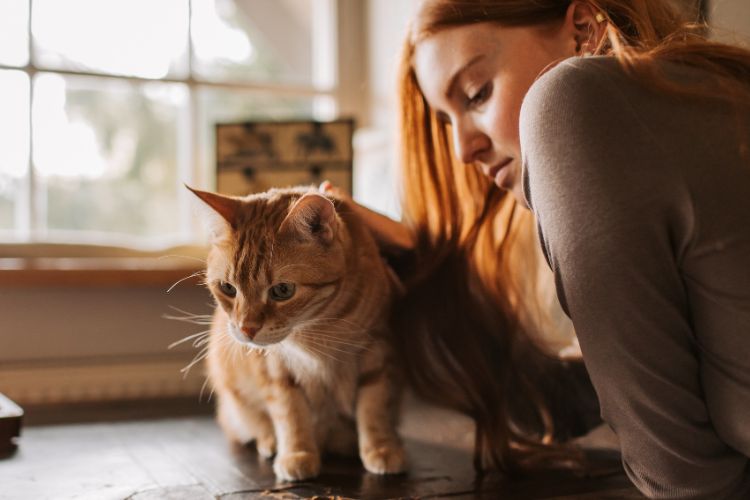
A tail held low or angled downward usually indicates a defensive mindset. This reaction shows up in shelters, veterinary clinics and unfamiliar environments as stated by the American Veterinary Medical Association. The weight of the tail stays close to the legs, creating a smaller overall silhouette during tense moments.
In homes, this posture appears when sudden noises or new animals disrupt routine. The lowered tail helps protect sensitive muscles along the spine and reduces the cat’s visible size. It is a subtle reminder that their confidence shifts quickly when conditions feel unpredictable or overwhelming.
3. A puffed tail reveals immediate high alertness.
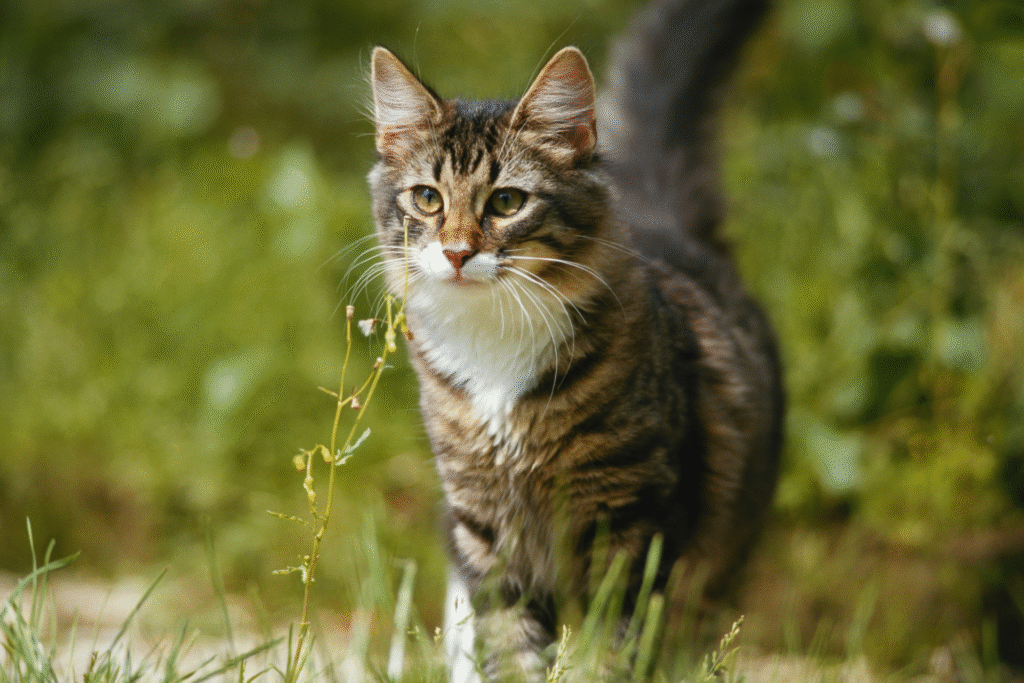
A fluffed tail, with fur expanded outward, is a rapid response to perceived threats. This reaction is triggered by adrenaline spikes during sudden confrontations or unexpected movements as discovered by National Geographic. The expansion makes the cat appear larger, sending a clear message to any nearby animal.
The puffing usually lasts only a few moments, fading once the stress passes. Cats display this most often during backyard encounters with unfamiliar animals or abrupt indoor conflicts. The response reflects instinct rather than thought, revealing how quickly the nervous system reacts to protect the cat.
4. Slow swaying indicates deep observational thinking.
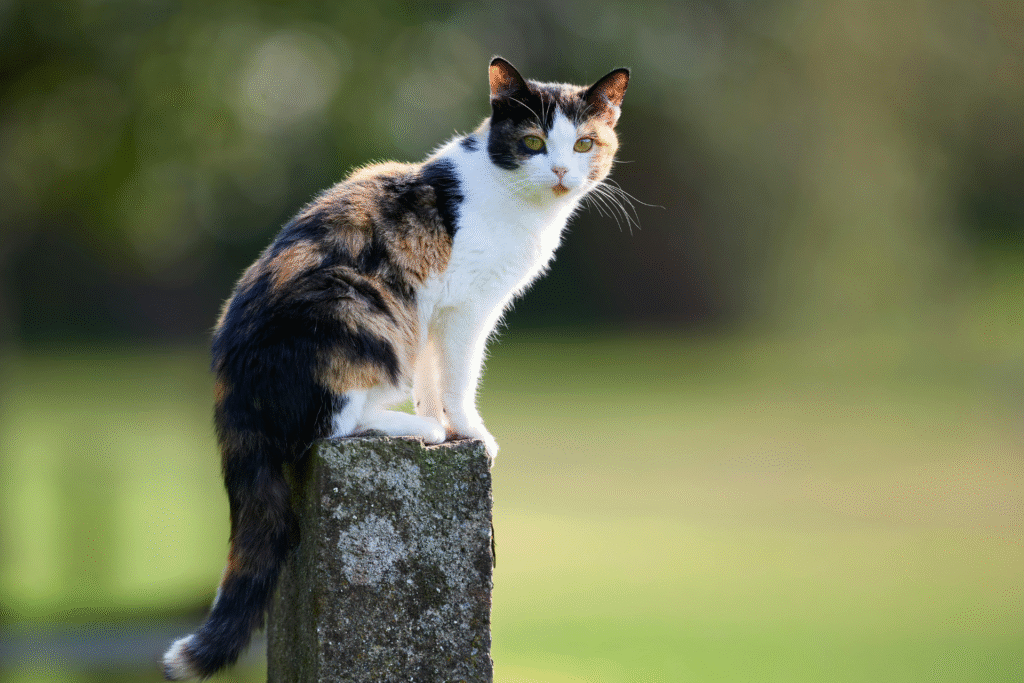
A tail moving slowly from side to side often points to concentrated focus. You see it when a cat studies insects on windowsills or tracks movement across a dim hallway. The motion signals that their brain is processing information with steady attention and no immediate tension.
The swaying remains controlled, showing they have settled into a curious but neutral state. The movement often appears during problem solving, such as planning leaps or deciding how to approach new objects. This subtle shift offers a quiet window into how they mentally map the environment.
5. Sharp flicking usually signals rising irritation.
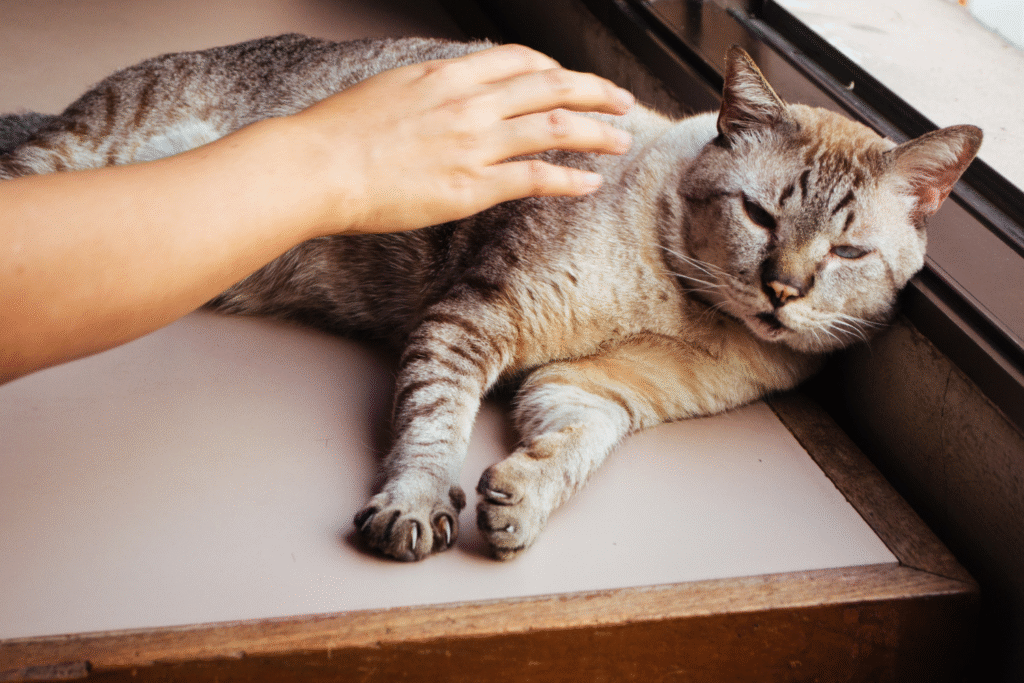
Quick, abrupt flicks of the tail often emerge when boundaries begin to tighten. Cats show this during overstimulation, especially during petting sessions that last too long. The flick acts as a warning signal that their patience is thinning and space is becoming necessary.
If ignored, the flicking intensifies and may lead to vocalization or retreat. The movement shows the transition from tolerable to uncomfortable in real time. Many people learn a cat’s frustration level by watching how fast the tail snaps, giving an early clue before the cat decides to withdraw.
6. A slowly curling tail often indicates emerging comfort.
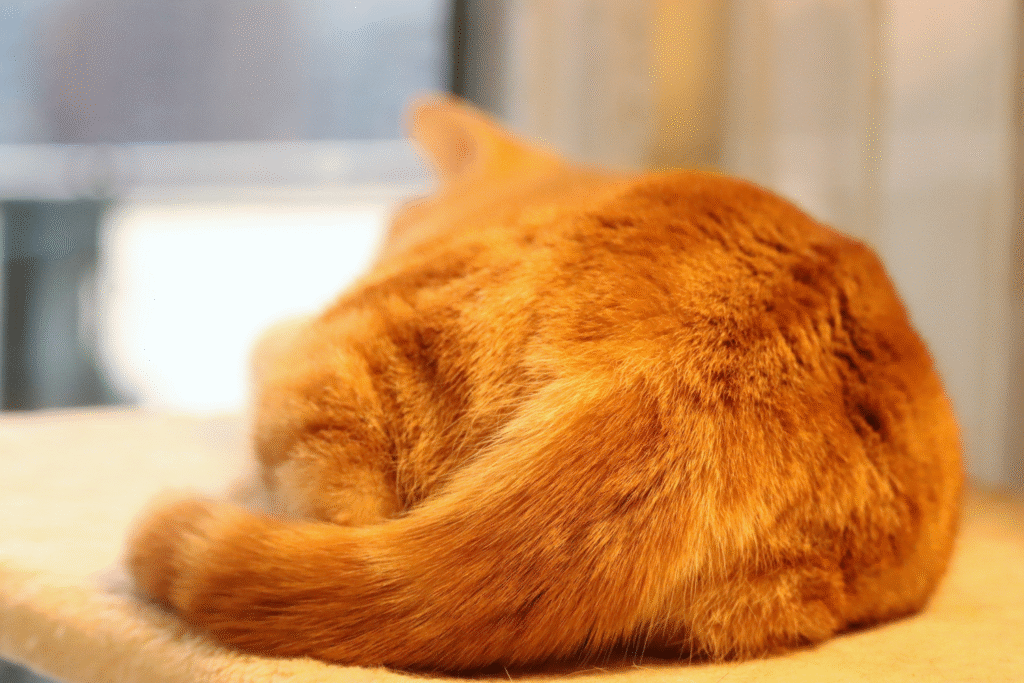
When the tail gently curls around your leg, the cat is expressing familiarity and a tentative form of bonding. This behavior shows up during relaxed evenings, quiet mornings or slow movement around the home. The curl acts like an anchor, letting the cat maintain closeness.
They often perform this motion when transitioning from rest to walking, showing that comfort is growing. It reflects trust without demanding attention, a soft gesture used when the environment feels steady. The tail becomes a tool for subtle emotional expression, offering a glimpse of calm internal state.
7. A tail wrapped tightly signals self protection.

When a cat sits with its tail wrapped close to the body, it is conserving warmth and reinforcing personal boundaries. This shows up during colder mornings or after stressful events. The position pulls their body inward, minimizing exposure and keeping them guarded.
This posture also appears during moments of cautious observation, particularly around new people or unfamiliar rooms. The wrap allows them to feel contained. It gives you a clear clue that their thoughts are focused on safety rather than engagement, even without vocal communication.
8. Quivering at the tip reveals strong emotional charge.

A fast quivering at the tail tip can signal excitement, anticipation or, in some contexts, territorial marking intent. Cats display this during greetings with trusted humans or when standing near vertical surfaces they favor. The quiver is small but intense, showing elevated internal energy.
This motion appears most often when they are fully alert but not threatened. It sometimes precedes rubbing behavior or upright body posture. The concentrated vibration at the tip exposes how sharply their emotions can spike, giving insight into moments when their internal state surges with intensity.
9. A straight tail with a hooked tip shows curiosity.
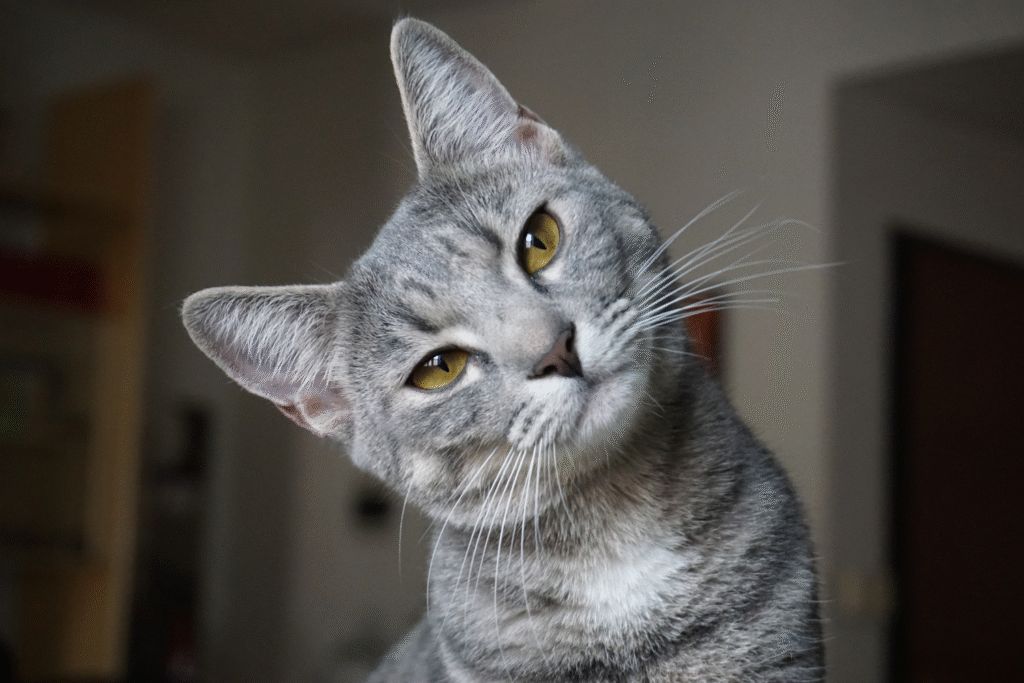
A tail held straight up with a small hook at the end often appears when a cat approaches new environments. This posture signals cautious exploration. Cats use it when navigating open doors, unfamiliar yards or newly rearranged rooms.
The hook at the tip softens the posture, revealing a mix of confidence and uncertainty. Their steps tend to be slow, and their head moves in short searching motions. The hooked tail becomes a visible indicator that they are collecting information while remaining ready to shift their stance.
10. A tail sweeping the floor reflects deep internal conflict.

A tail that drags or sweeps lightly across the ground can indicate ambivalence or shifting emotional tension. Cats display this when deciding whether to engage, retreat or hold position during complex social situations. The low sweep shows their mind pivoting between competing instincts.
This motion sometimes appears during stand offs with other animals or after sudden environmental changes. The sweeping arc reveals hesitation while still keeping all options open. It gives you a subtle window into how cats weigh choices when navigating uncertain or layered emotional terrain.