What Cats Offer Gen Z That Parenthood Often Cannot

Economic pressure, lifestyle shifts, and emotional comfort play a role.

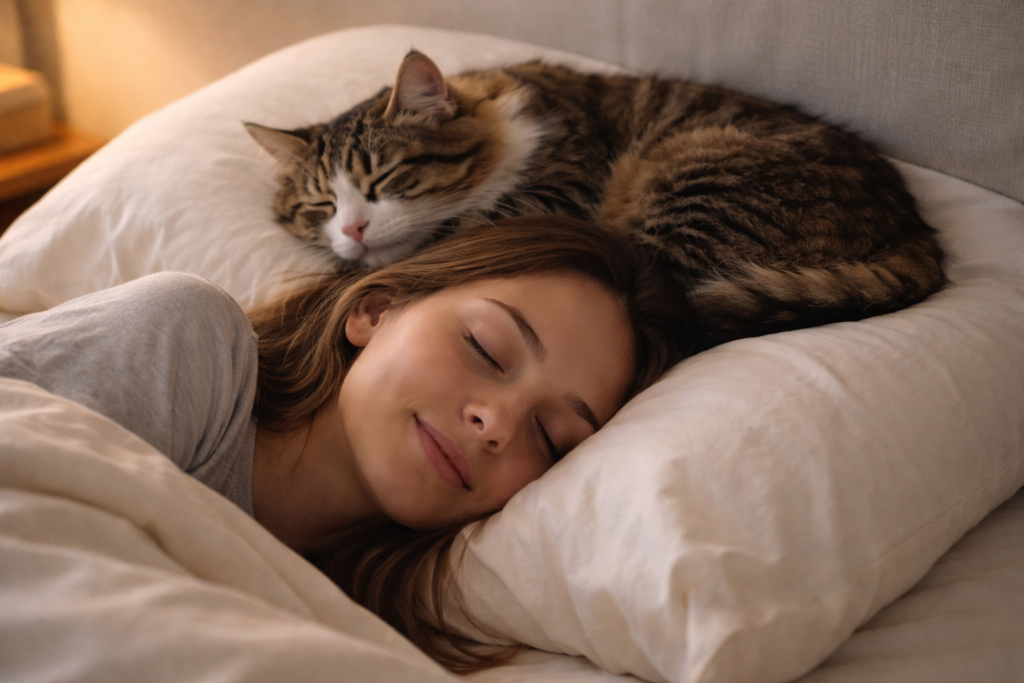
©Image PetsnPals/ChatGPT, happy couple with cat

Across the U.S. and other developed countries, Gen Z adults are delaying or rejecting parenthood at rates higher than any generation before them. Instead, many are forming deep bonds with pets, especially cats, who offer companionship without the financial, emotional, and time demands of raising children. Sociologists, economists, and mental health researchers say this shift is not about immaturity or avoidance, but about changing realities. Rising housing costs, unstable job markets, climate anxiety, and evolving definitions of family are quietly reshaping how younger adults decide where to invest their care, energy, and future.

Read more

10 Reason Why Getting a Second Cat is Not Always a Good Idea

When adding another cat changes everything.

©Image license via Canva

Adding a second cat often sounds comforting and generous. Many owners imagine companionship solving boredom or loneliness. Real life dynamics can be more complicated. Cats are territorial animals shaped by routine memory and control over space. Introducing another cat can quietly reshape stress levels health behaviors and household harmony in ways that only appear weeks or months later.

Read more

9 Reasons Your Cat Insists On Sleeping Above Your Head

Feline sleep choices reveal trust and biology.

©Image PetsnPals/ChatGPT

Many cat owners wake to a familiar weight above their pillow. This habit feels personal, sometimes puzzling. Yet behaviorists and veterinarians see patterns shaped by evolution, physiology, and bonding. Where cats choose to sleep reflects comfort, safety, and trust. The space above your head concentrates warmth, scent, and stability in ways that quietly meet feline needs night after night consistently.

Read more

If Your Cat Is Mad At You, It Will Do These 10 Things To Let You Know

Feline displeasure appears quietly but very clearly.

©Image PetsnPals/ChatGPT

Cats rarely lash out without warning. Instead, irritation unfolds through subtle shifts in posture, routine, and interaction. A cat that feels wronged responds with distance, disruption, or pointed behavior changes that often appear small at first. Behaviorists studying domestic cats note that these reactions reflect stress, broken trust, or unmet expectations, especially after changes in routine, environment, or handling.

Read more

12 Cat Breeds Vets Say Are at High Risk for Heart Disease

Genetics quietly shape feline hearts long before symptoms.

©Image license via Canva

Heart disease in cats often hides until it turns dangerous. Many affected cats appear healthy, playful, and calm, even as their hearts slowly change. Veterinary cardiologists across North America and Europe now recognize clear breed patterns tied to inherited heart conditions. These risks show up early, progress silently, and can surface suddenly during routine vet visits or stressful moments at home.

Read more