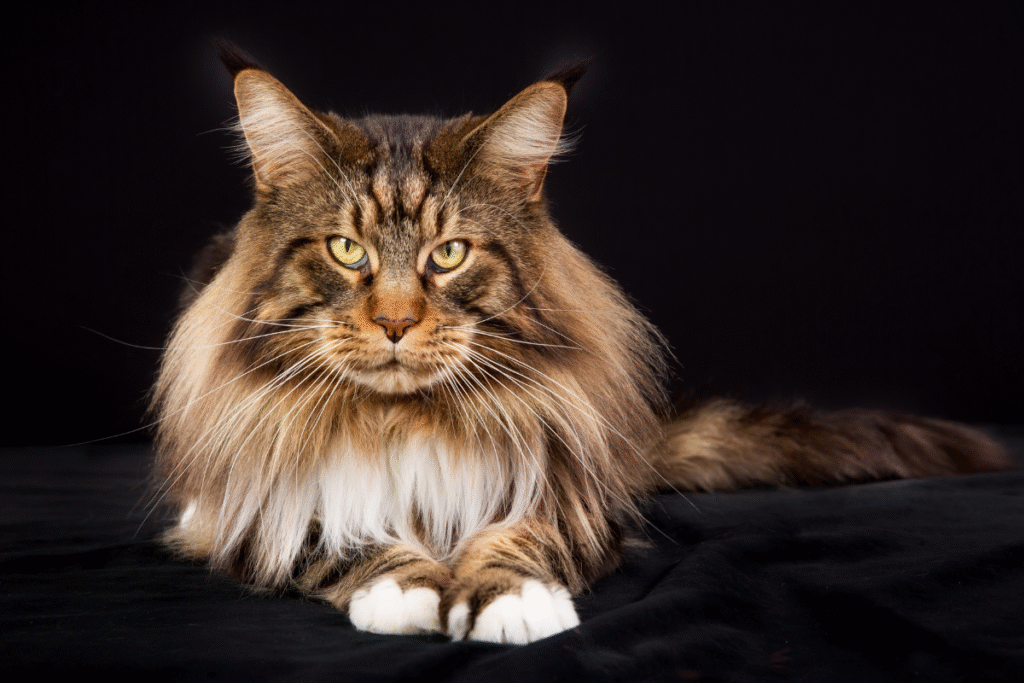
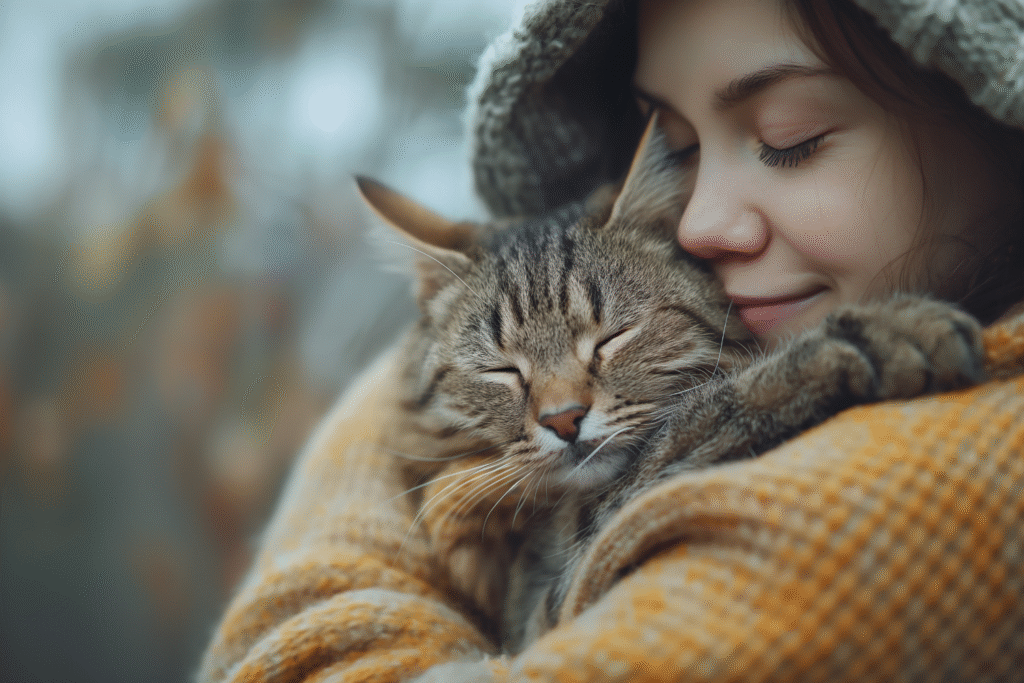
Why Aging Cats Suddenly Become More Vocal, Vets Explain

New sounds often signal deeper changes inside.
©Image via Canva

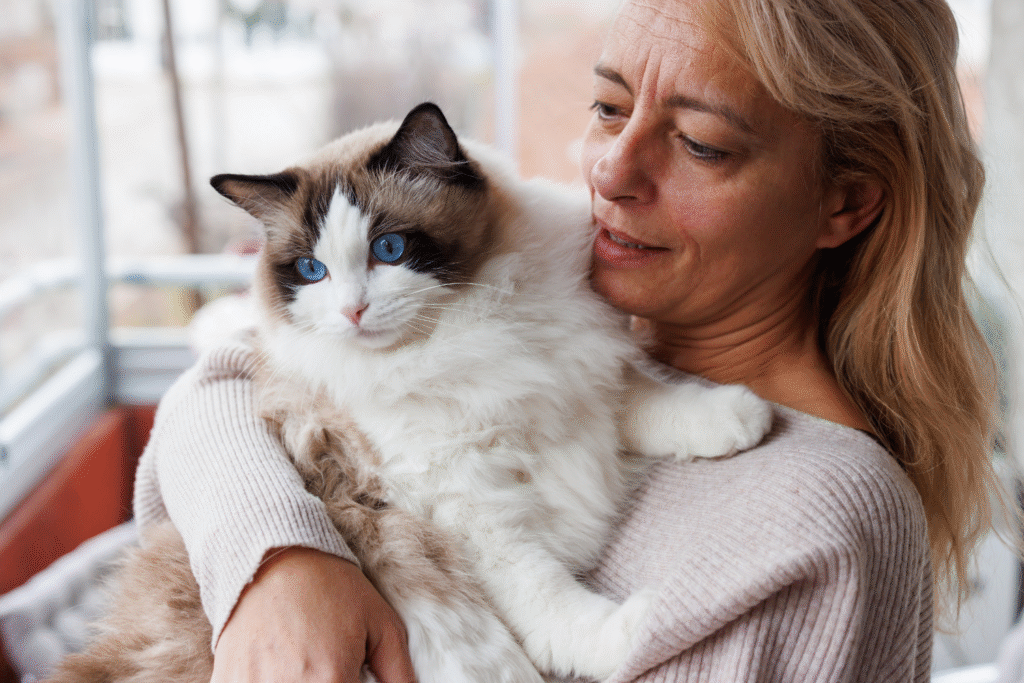
Many cat owners notice a clear shift as cats move into their senior years. A companion who once communicated quietly may begin calling out at night, meowing from empty rooms, or vocalizing during ordinary routines. This change can feel sudden, but it is usually gradual, tied to aging processes that affect the brain and body. Increased vocalization is rarely random or manipulative. It often reflects confusion, discomfort, or changing sensory perception. Understanding these early signals helps owners respond calmly and recognize when medical evaluation is necessary rather than assuming behavioral problems.
Read more

Why Indoor Cats Are Living Longer Than Ever Right Now

Quiet changes inside homes are reshaping feline lifespans.

©Image license via Canva

Across North America, veterinarians are noticing a quiet shift in feline aging. Indoor cats adopted since the early 2000s are reaching their late teens and beyond with fewer chronic crises. Better nutrition, preventive medicine, safer housing, and closer human observation all play roles. From apartments in Toronto to suburbs outside Phoenix, lifespan curves are stretching slowly upward, not by accident, but through everyday decisions repeated over many ordinary years. Those choices accumulate quietly, shaping bodies, immunity, stress, risk, and longevity.

Read more

Common Myths About Pet Behavior, and What Science Says Instead

Popular beliefs often conflict with animal science.

©Image via Canva

Many ideas about pet behavior get passed down through stories, training lore, and social media rather than evidence. Animal behaviorists say some of the most common beliefs about why pets act the way they do are either oversimplified or flat out wrong. Misreading behavior can lead to ineffective training, unnecessary punishment, and stress for animals and owners alike. Understanding what science actually says about communication, instinct, and learning helps explain why certain myths persist and how they shape the way people interact with pets every day.

Read more

Which Cat Breeds Tend to Live the Longest, According to Experts

Experts say genetics, care, and breed history matter.

©Image license via Canva

Some cats seem to stay spry well into their late teens, while others age faster despite similar care. Veterinarians and feline researchers say the difference often comes down to a mix of genetics, inherited traits, and how certain breeds evolved alongside humans. By looking at long term veterinary records and lifespan data, experts have identified clear patterns in which cats tend to live longer and why. The results challenge common assumptions about size, pedigree, and what truly supports longevity in cats.

Read more

When a Cat Truly Loves You, These 8 Signs Give It Away

Affection shows up quietly, then suddenly changes everything.

©Image license via Canva

Real attachment from a cat never announces itself. It builds in the margins of daily life, in pauses, glances, and routines that repeat without effort. One day you realize the house feels different when they are near. Your movements matter. Your presence steadies something invisible. Cats do not hand out devotion casually. When they choose someone, the choice is intentional, layered, and surprisingly deep. These signs are subtle at first, but together they form a pattern that is hard to dismiss once noticed.

Read more