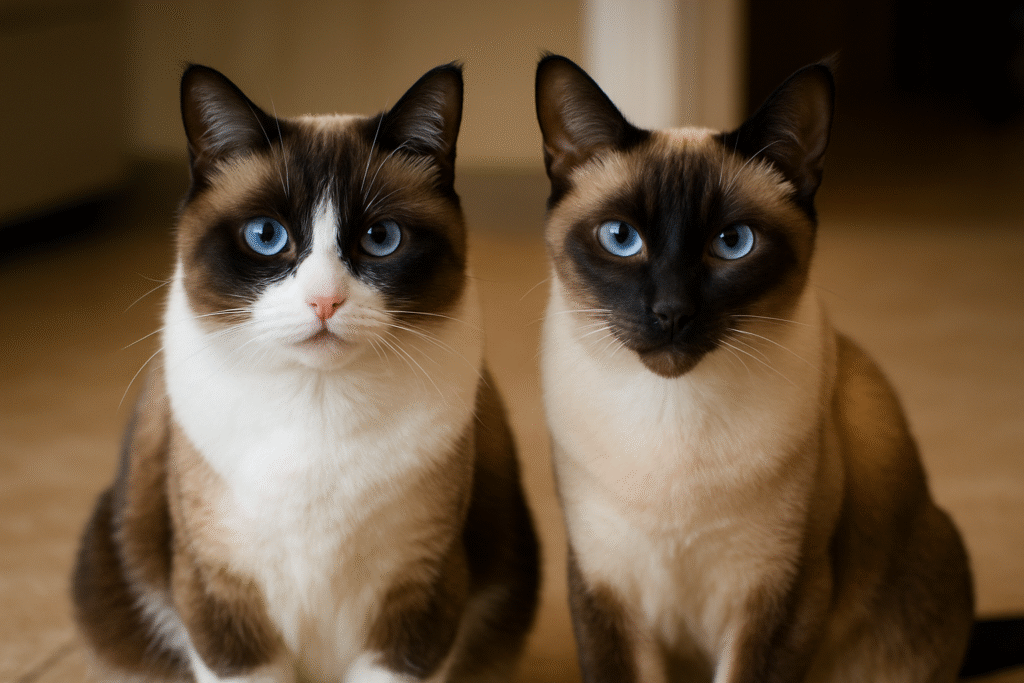
10 Signs Your Cat Thinks You Are Its Real Mom Not Just Its Owner

A few clues reveal their deeper bond.
©Image license via Canva

Cats rarely hand out affection without thought, so when one decides a person feels like family, the shift shows up in small repeated behaviors. Those habits are easy to miss in the rush of daily life, yet they carry a lot more meaning than they seem to on the surface. Many of these signals come from early kitten development, the stage when young cats learn who keeps them safe, fed and regulated. When an adult cat repeats those patterns around a human, something deeper is going on.

Even people who consider themselves casual pet owners often discover that their cat has quietly begun treating them with maternal trust. The behavior feels gentle and natural, almost like the relationship evolved without anyone naming it. Scientists studying feline social bonding have found surprising overlaps between how kittens attach to their mothers and how many adult cats attach to their chosen humans. That attachment is not symbolic or imaginary. It is rooted in behavior, routine and emotional memory.

Read more

How Your Cat’s Purring Could Be Healing You Without You Knowing

New research reveals surprising effects of feline sound.

©Image license via iStock

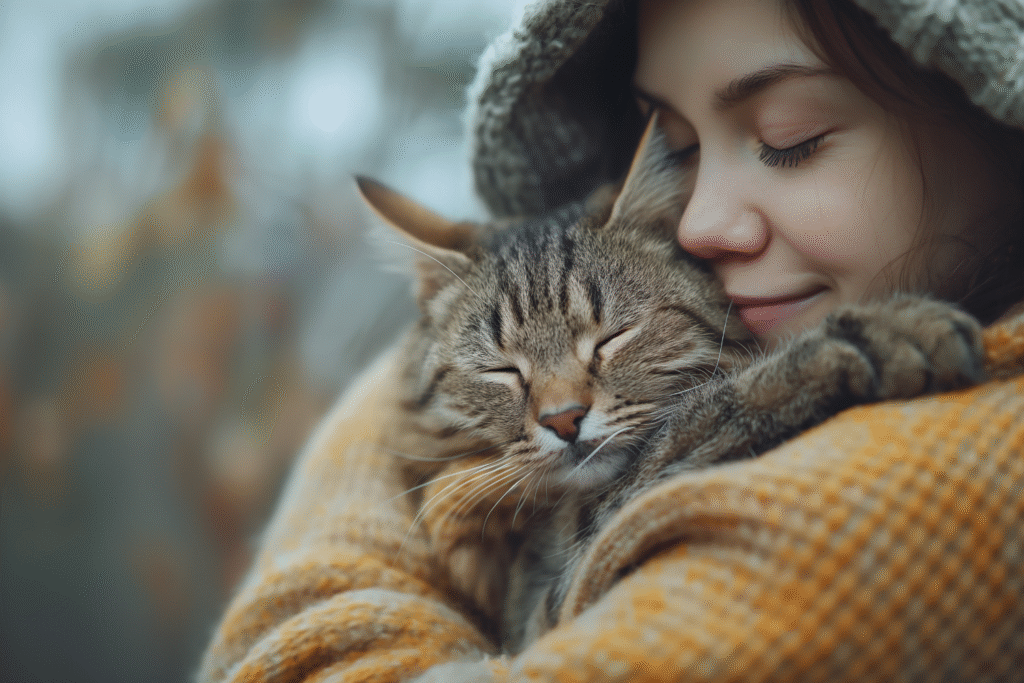
There is something strangely grounding about the low vibration of a cat resting against your ribs or settling into the curve of your arm. The sound is soft, steady and somehow tuned perfectly to quiet the nervous system in ways you never quite notice until afterward. Scientists studying the acoustic range of purring have begun uncovering unexpected physiological effects that deepen the mystery. The noise is simple, yet its influence runs far deeper than a sign of comfort or affection.

Read more

What Happens Inside a Cat’s Body During a Pancreatitis Flare

Sudden inflammation triggers a cascade of internal stress.

©Image license via Canva

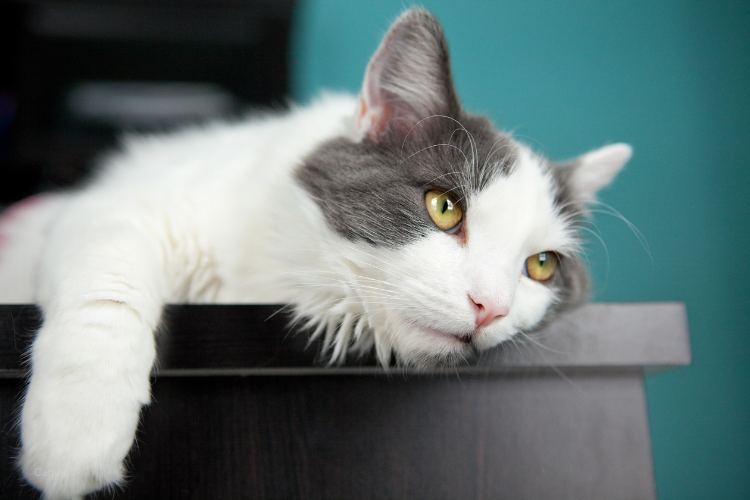
Pancreatitis in cats often arrives quietly, showing only faint signs on the outside while significant changes unfold deep within the body. The pancreas plays a central role in digestion and blood sugar control, yet when it becomes inflamed, the entire system begins to unravel. The condition starts subtly, then gains momentum as the organ struggles to keep up with the demands placed on it. Many cats hide discomfort, which delays recognition and allows the condition to grow more severe.

Veterinarians explain that a flare affects far more than the pancreas alone. Inflammation spreads, digestive stability collapses and the body scrambles to protect itself. Organs that normally work cooperatively begin to strain under the pressure. Understanding what happens inside the body during a flare helps owners respond quickly and recognize the warning signs that might otherwise slip past them.

Read more

How Street Cats Are Adapting to City Life Better Than Ever

Urban landscapes are reshaping feline survival strategies.

©Image license via Pixabay/aruggeri

In cities across the world, street cats are navigating crowded sidewalks, traffic noise and unpredictable human behavior with a surprising amount of skill. Researchers tracking free roaming cats have noticed how quickly they learn new routines and how easily they shift their habits to fit the city around them. What once looked like struggle has started to resemble a sophisticated form of adaptation shaped by both instinct and opportunity.

Many of these cats have formed small territories around food sources, shelters and predictable human activity. Their ability to sense patterns helps them survive in environments that move fast and change constantly. As animal experts study these shifts, they are discovering how deeply urban landscapes are influencing feline behavior. Street cats are not just surviving city life, they are adjusting in ways that reflect remarkable intelligence.

Read more

The Unknown Health Problems Purebred Cats Are Most Likely to Face

Hidden risks often appear long after adoption.

©Image license via PetsnPals

Purebred cats attract people with their striking features, gentle personalities and predictable traits. Yet behind those appealing qualities lies a layer of genetic vulnerability that many owners only learn about after health problems appear. Breeding for specific looks narrows the gene pool, increasing the odds of inherited conditions that remain invisible during kittenhood. These issues can surface slowly or suddenly, leaving families confused about what went wrong.

Veterinarians have become increasingly vocal about these concerns as new research reveals how many conditions are tied to intense selection. Some breeds carry risks linked to bone structure while others struggle with heart, kidney or immune complications. Understanding these challenges helps owners prepare, allowing them to spot early signs and support their cats before problems worsen. It also brings clarity to why responsible breeding matters more than ever.

Read more