How Indoor Cats Are Developing Wild Animal Instincts Again

New behaviors hint at something deeper unfolding.
©Image license via Canva

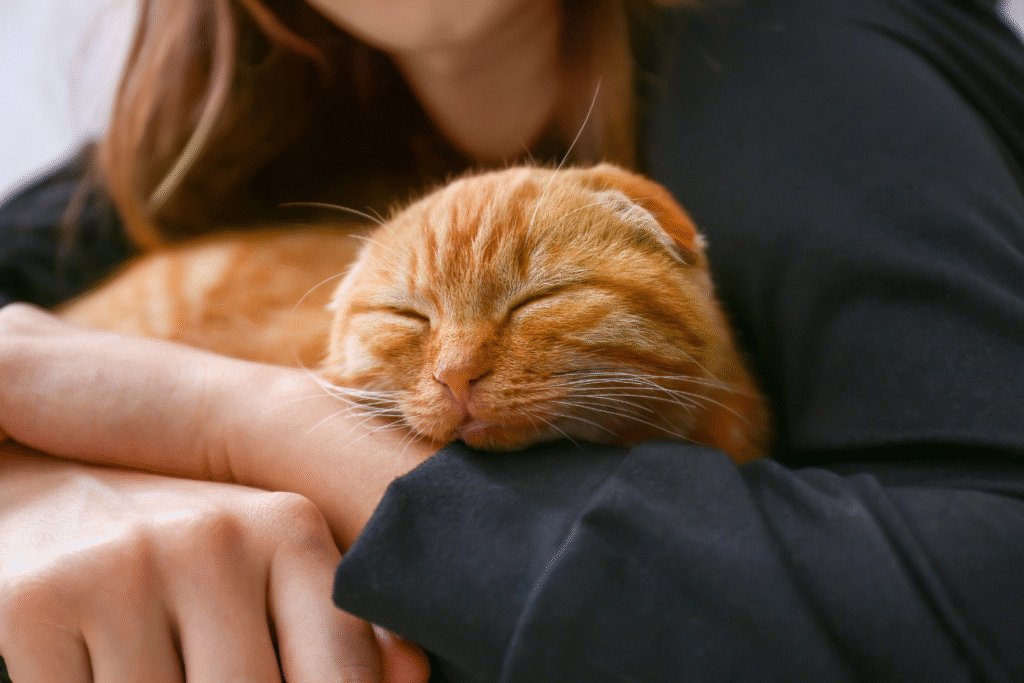
Indoor cats live in a controlled world, yet many are showing patterns that echo the instincts of their wild ancestors. These shifts do not arrive with dramatic flair. They appear quietly in daily routines, in the way cats stalk shadows or patrol their homes as if holding territory. Modern environments may look tame, but the feline brain still carries triggers shaped by thousands of years of survival. As those triggers surface, indoor cats begin revealing instincts many thought had softened long ago.

Read more

9 Ways Cats Know You’re Sad Before You Even Speak

Small signals that reveal your shifting mood.

©Image license via Canva

Cats may seem aloof on the surface, yet their awareness of human emotion runs far deeper than most people ever assume. They watch us constantly, storing tiny clues about how we move, breathe and even sit when something feels off. Their sensitivity emerges in quiet moments when we least expect it, revealing a side of them that feels surprisingly perceptive. Many owners only notice in hindsight that their cat reacted long before any words were spoken.

As science explores the emotional bond between humans and animals, researchers continue uncovering how sharply cats tune into our states of mind. They learn our rhythms with steady observation, picking up patterns that shift subtly when sadness enters the room. Each behavior they display becomes part of a gentle narrative that shows how attuned they are to the people they trust most.

Read more

Why Your Cat Suddenly Stops Using the Litter Box

A confusing issue that has clear causes.

©Image license via Canva

Every cat owner eventually faces that moment when their perfectly trained pet decides the litter box is no longer the place to go. It feels sudden and personal, yet most of the time the reason is surprisingly logical once you know what to look for. Cats communicate through behavior long before they show symptoms or stress, so a litter box problem is often their earliest signal. In the next eight points we will walk through the most common explanations, helping you understand what your cat is trying to tell you and how to respond calmly and effectively.

Read more

9 Simple Home Tweaks Your Cat Will Absolutely Love

Small changes that transform their daily comfort.

©Image license via Canva

Cats thrive in environments that match their instincts, and even tiny adjustments can change how confidently and comfortably they move through your home. Many of these shifts cost very little, yet they make your space feel more predictable and inviting from your cat’s point of view. Once those subtle tweaks settle into place, the entire vibe begins to shift and your cat finds new ways to relax and explore.

Owners often underestimate how much these changes matter. As the home grows richer in texture, height and warmth, cats begin to express themselves more fully. Their routines smooth out, their moods stabilize and their personalities open up. Those small improvements become the backdrop to a more peaceful, connected everyday life.

Read more

10 Weird Things Your Cat Does That Mean They Truly Love You

Small signals that reveal deep feline affection.

©Image license via Canva

Cats rarely spell out their feelings, yet they have a talent for sending small messages that matter. Their habits can feel strange, sometimes even puzzling, but many of those behaviors are rooted in trust, comfort and a quiet wish to stay close. As their routines unfold around you, each one starts to form a pattern of familiarity that says more than any human phrase ever could.

Once you start noticing these signals, the deeper story becomes clear. Your cat is talking in a language built from motion and mood. This is where the real fun begins, because those odd little quirks often reveal some of the strongest forms of connection.

Read more