Feline Leukemia Virus Is Spreading Again and What to Look For

A retrovirus is quietly resurfacing in cat populations.
©Image license via Canva

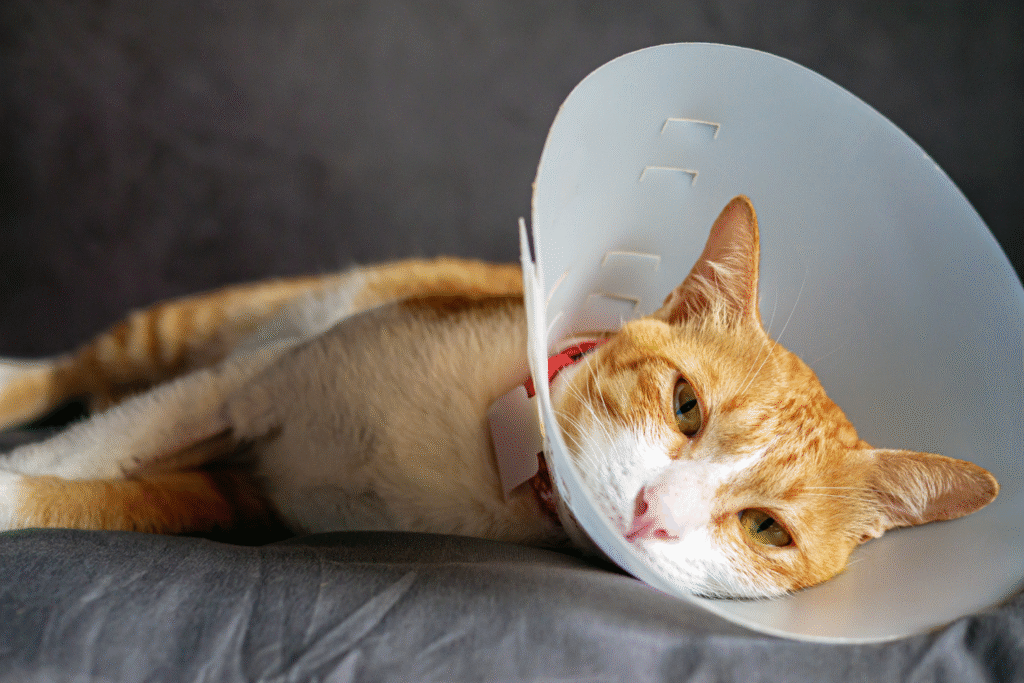
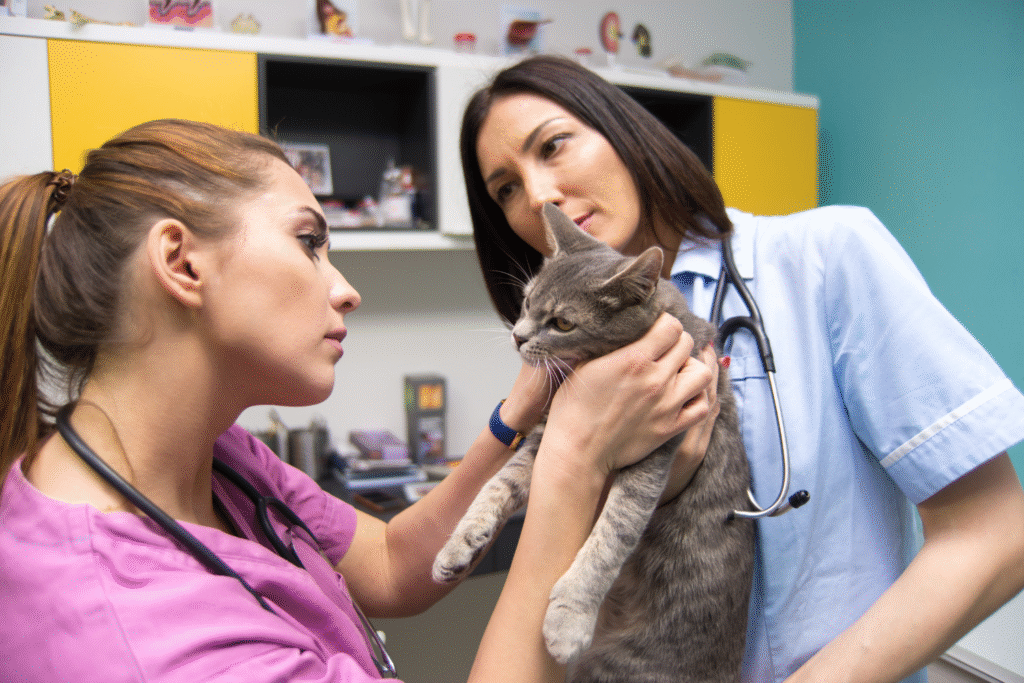
Feline Leukemia Virus (FeLV) has never truly disappeared—it only went quiet. Now, new testing data from shelters and regional studies show it’s resurfacing, especially in areas with high stray cat density or uneven vaccination coverage. Because FeLV spreads through close contact and can lie dormant for years, outbreaks build slowly before anyone notices. Many owners assume the risk is gone, but veterinarians warn the opposite. Early detection and consistent prevention are once again critical for protecting both household pets and entire feline communities.
Read more

10 Ways Indoor Cats Still Face Life-Threatening Dangers

Safety indoors doesn’t mean immunity from risk.

©Image license via Canva

Keeping cats indoors protects them from outdoor threats like traffic, predators, and infectious diseases, but many owners underestimate the dangers inside their homes. Toxic plants, silent illnesses, and household accidents remain common causes of emergency vet visits. An indoor life can be safe, but only when owners understand that safety depends on constant awareness.

Cats adapt well to indoor living, yet their natural curiosity and subtle health changes make them vulnerable to hidden hazards. These risks often emerge slowly, masked behind calm routines. What feels secure to humans can be quietly perilous for cats if unnoticed or unmanaged.

Read more

11 Cat Breeds Linked to Shorter Lifespans in Veterinary Studies

Some pedigrees carry beauty and risk in equal measure.

©Image license via iStock

Every cat owner hopes for years of quiet companionship, but studies show that certain breeds carry heavier genetic risks. Selective breeding for appearance has reduced genetic diversity, linking some pedigrees to shorter lifespans marked by heart, kidney, or respiratory disease. Love can’t rewrite biology, but awareness can extend both comfort and years. It’s not about fear, but realism—many of the most adored breeds live shorter lives because their beauty and fragility are intertwined, a truth recent veterinary research continues to reveal behind those soft, trusting eyes.

Read more

What Happens When a Cat’s Liver Starts to Fail and How to Catch It Early

Small changes can reveal a hidden internal collapse.

©Image license via Canva

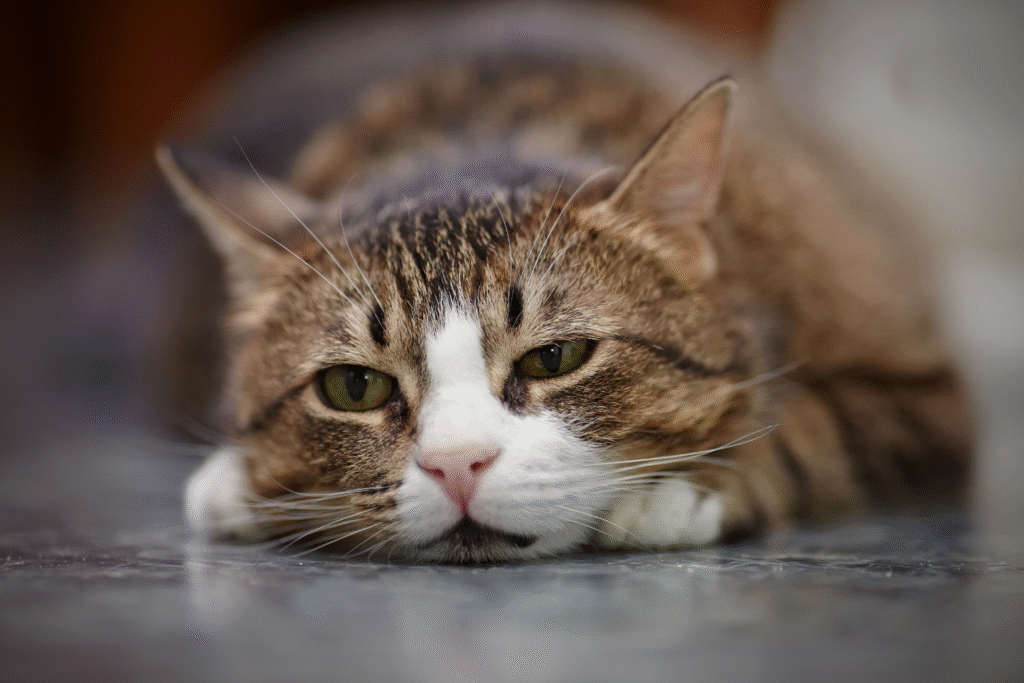
The liver is a cat’s silent multitasker, filtering toxins, producing bile, and storing nutrients without ever asking for attention. But when it starts to fail, the signs often whisper before they scream. Catching liver disease early can mean the difference between a full recovery and a sudden crisis that feels like it came out of nowhere.

Because cats are experts at hiding weakness, symptoms can appear misleading—like appetite loss, weight changes, or sudden withdrawal. Recognizing these subtle shifts isn’t about panic; it’s about paying attention to your cat’s quiet language before the illness grows louder.

Read more

The Subtle Clues Your Cat’s Hips or Spine Are Causing Pain

Small changes in movement can signal big discomfort.

©Image license via Canva

Cats are masters of disguise when it comes to pain. Their instincts tell them to hide weakness, which means by the time you notice something’s off, it’s often been building quietly for weeks or even months. Subtle changes in posture, grooming, or where they nap could all be quiet cries for help that most owners overlook.

Understanding how spinal or hip pain shows up in cats is tricky because it rarely looks dramatic. There’s no limping parade or wailing meow. Instead, it’s the tiny shifts—how they walk, how they stretch, how they greet you—that reveal the story.

Read more