Why Obesity Is Quietly Killing Millions of House Cats Every Year

Small weight gains hide a massive internal problem.
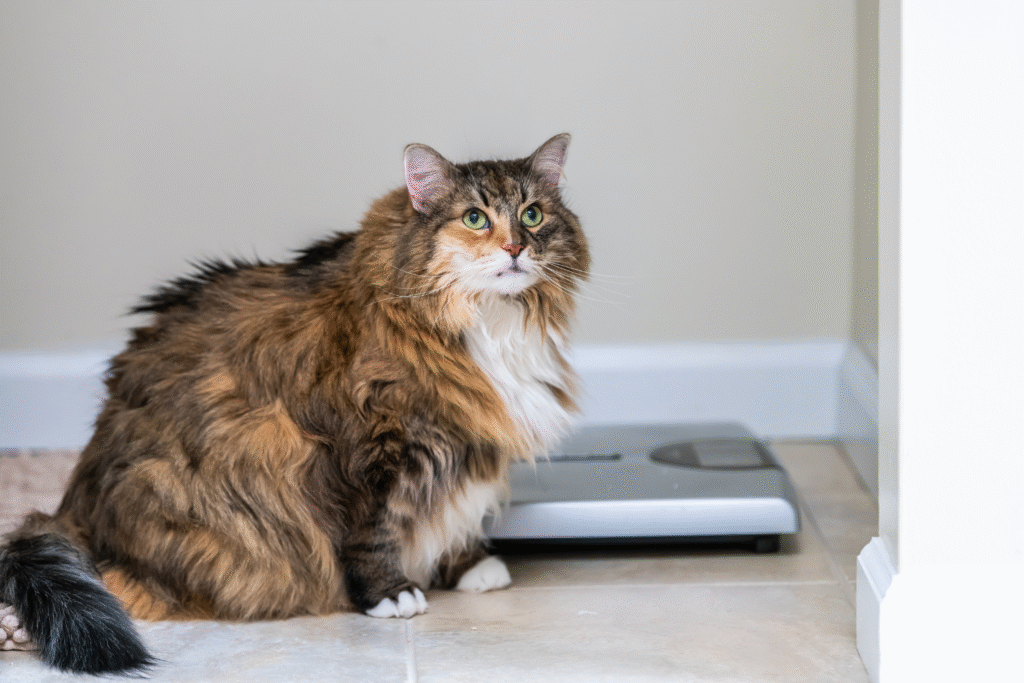
©Image license via Canva

For cats, gaining just a few extra pounds can silently rewrite their biology. Obesity isn’t just about appearance—it’s a cascade of organ strain, metabolic slowdown, and inflammation that often goes unseen until it’s too late. The tragedy is that most owners never realize the danger because the changes happen gradually, masked by fluff, fur, and personality.

Modern indoor life makes it even easier for cats to slide into danger. The calorie-rich treats, limited exercise, and oversized portions meant as “love” can all add up to the slow unraveling of their health. Here’s how it starts—and how to stop it.
Read more

10 Parasites Cats Can Transmit to Humans, According to Research

Hidden threats can cross the pet human boundary.

©Image via Canva

Cats are cherished companions, but they can also carry microscopic hitchhikers capable of jumping to humans under the right conditions. Many of these parasites cause no symptoms in healthy cats but may become harmful when transmitted to people. Understanding the risks allows pet owners to protect both themselves and their pets through awareness and good hygiene practices.

This article explores ten scientifically recognized parasites that can pass from cats to humans. Each has a unique route of infection and distinct effects, yet all share one truth, our close bond with cats sometimes invites invisible passengers we never notice.

Read more

13 Signs of Stress in Cats That Can Lead to Long-Term Anxiety

Cats hide stress better than they should.

©Image via Canva

Cats may look calm as they nap on the windowsill, but stress can simmer beneath that quiet exterior for months before it becomes chronic anxiety. Subtle cues—like grooming more than usual or hiding under furniture—are your cat’s quiet language for “something’s wrong.” Studies now show that prolonged stress doesn’t just change feline behavior, it can physically alter their immune and digestive systems. Understanding these warning signs early can prevent lifelong anxiety and keep your cat’s mental and physical health stable.

Read more

12 Cat Breeds With Genetic Disorders That Impact Health and Lifespan

Beauty and genetics don’t always agree.

©Image license via Canva

Selective breeding has given cats some of their most striking features, but it has also passed down a handful of hidden flaws. Many breeds carry genetic mutations that shape their appearance while quietly shortening their lives or complicating their health. From heart disease in purebreds to bone deformities in tiny designer cats, the same genes that create uniqueness can carry a cost. Understanding these inherited risks doesn’t make the breeds less lovable, it makes their care more informed, and their beauty a little more bittersweet.

Read more

10 Symptoms of Feline Diabetes Owners Often Overlook Until Too Late

Subtle signs appear long before the crisis does.

©Image license via Canva

Diabetes in cats often sneaks in quietly, disguised as normal aging or mild behavior changes. It’s not rare, either—veterinarians estimate that as many as one in every two hundred cats will develop diabetes in their lifetime, with obesity being one of the biggest risk factors. The good news is that feline diabetes can be managed, even reversed in some cases, if caught early enough.

The challenge is that early symptoms are easy to shrug off as quirks. By the time they become obvious, a cat’s organs may already be struggling. Knowing what to watch for can change everything about how—and how long—your cat lives.

Read more