Are You Misreading Your Cat? New Study Says You Probably Are in These 10 Alarming Ways

What you think is love may actually be stress signals.
©Image license via Canva

Cats might live in our homes, but it doesn’t mean we fully understand them. A new study suggests many owners misinterpret their cats’ behavior, often confusing stress, anxiety, or discomfort for affection or play. That gap in understanding creates misunderstandings that can ripple through the relationship.

The research highlights just how often owners get it wrong, from tail flicks to purring. Misreading these signals can affect a cat’s health and happiness while leaving owners puzzled about why their “sweet” cat suddenly lashes out. The truth is in the details—and the details are often subtle.

Read more

10 Cat Habits That Seem Creepy But Are Weirdly Sweet

Your feline’s strangest behaviors are actually love letters written in cat language.

©Image license via Canva

Cats live in a world of subtle communication that humans barely understand, expressing affection through behaviors that often feel unsettling rather than endearing. What looks like stalking, staring, or territorial marking to us represents sophisticated social bonding in feline terms. These seemingly odd habits stem from evolutionary adaptations that helped wild cats survive and thrive in complex social structures.

Modern house cats retain these ancient communication methods, using them to build relationships with their human families in ways that can feel both mysterious and slightly unnerving. Understanding the sweet intentions behind these behaviors transforms what seems creepy into evidence of deep emotional attachment.

Read more

The Real Reason Your Cat Suddenly Attacks You Mid-Cuddle

These furry friends have a breaking point that most humans completely miss.

©Image license via iStock

You’re enjoying a peaceful moment with your cat draped across your lap, purring contentedly as you stroke their soft fur. Then out of nowhere, teeth sink into your hand and claws dig into your arm before they bolt across the room. If this scenario sounds familiar, you’re definitely not alone in wondering what just went wrong.

This bewildering behavior has a name in veterinary circles, and understanding it can transform your relationship with your feline companion. The answer lies in recognizing subtle signals that most cat owners miss completely, along with some fascinating insights into feline psychology that explain why even the sweetest cats can turn on a dime.

Read more

This Breed of Cat Is Becoming the Darling of Remote Workers

These gentle giants are redefining the home office experience one lap at a time.

©Image license via Canva

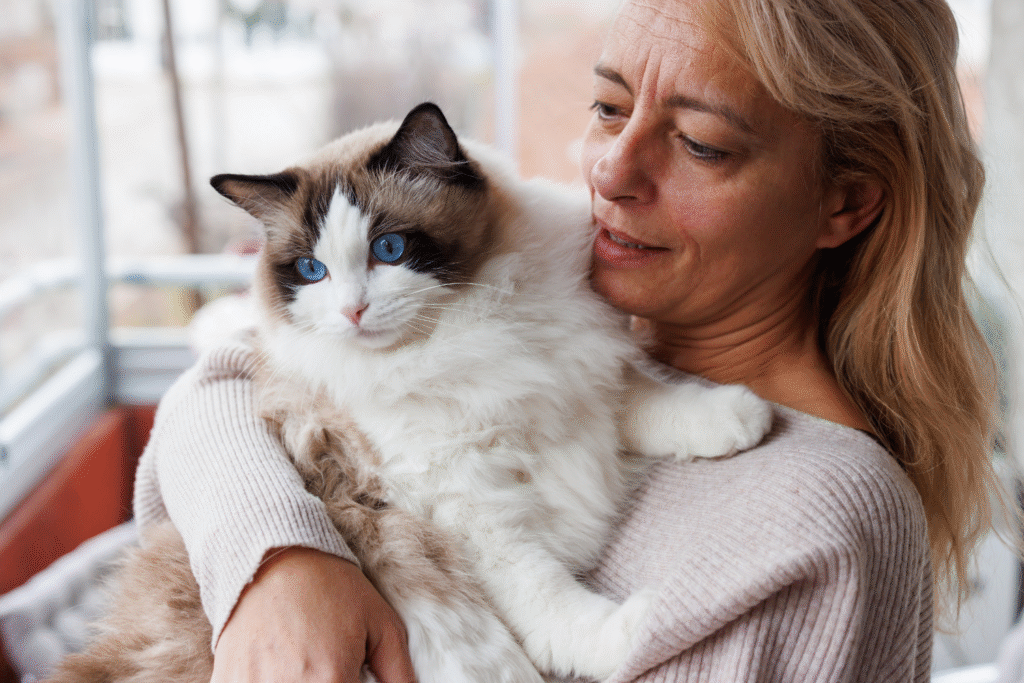
The home office revolution has spawned an unexpected workplace trend that has nothing to do with standing desks or noise-canceling headphones. A certain blue-eyed, luxuriously fluffy breed is quietly infiltrating remote workspaces across America, turning mundane Monday meetings into surprisingly therapeutic experiences. While remote work statistics show 75% of employed adults will work from home at least some of the time in 2025, cat-owning professionals are discovering that not all feline coworkers are created equal. Enter the Ragdoll: a breed so perfectly suited to the remote lifestyle that they’re transforming home offices everywhere into purr-fect productivity havens.

Read more

Why Your Cat Bites You, and How To Make It Stop

Those fangs have a purpose, and understanding it could save your relationship with your feline friend.

©Image license via iStock

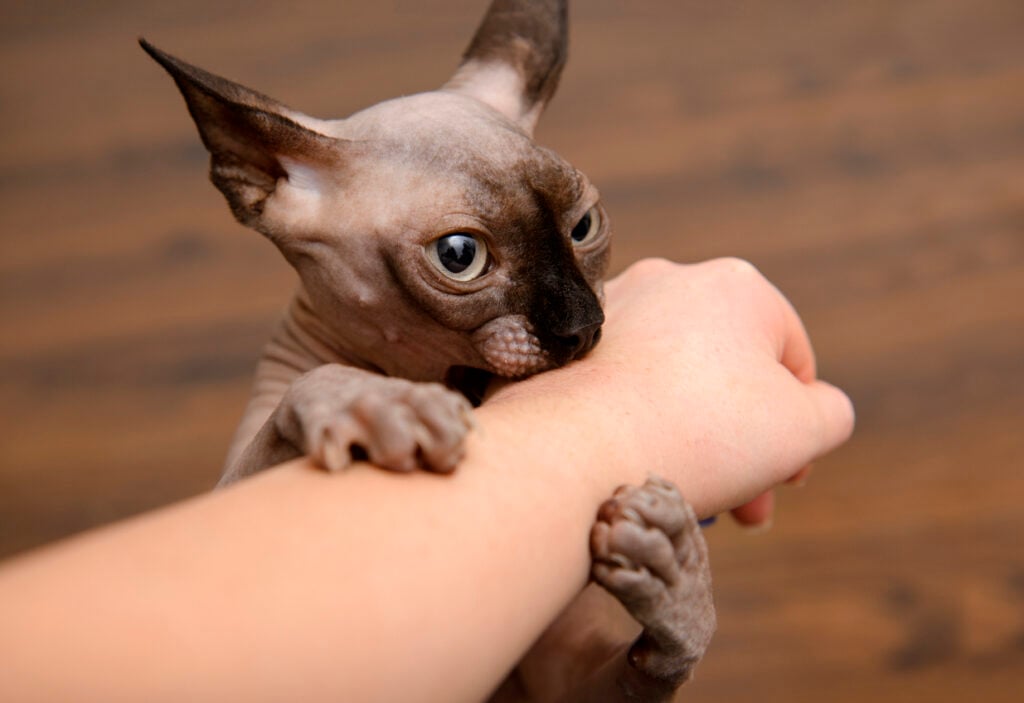
Your sweet, purring companion just transformed into a tiny velociraptor and left you wondering what you did wrong. Cat bites aren’t random acts of feline aggression—they’re actually sophisticated communication attempts that most humans completely misinterpret. Behind every chomp lies a specific message your cat desperately wants you to understand, and once you crack their code, you can address the underlying cause rather than just treating the symptom of suddenly finding yourself on the receiving end of their dental work.

Read more