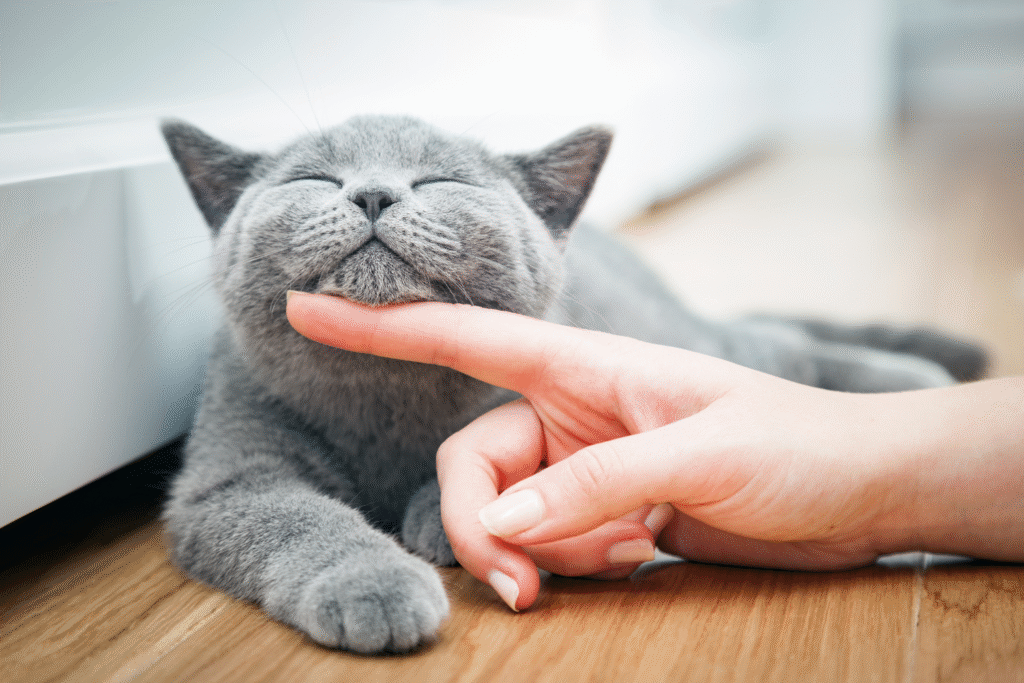
11 Cat Breeds With the Highest Documented Rates of Cancer

Some cat breeds show surprisingly elevated risks.

©Image license via Canva

Cancer in cats is difficult for any owner to face, but researchers have found that certain breeds are more prone to it than others. While no breed is entirely safe, pedigree cats often show higher risks because their genetics leave less room for variation. That doesn’t mean every Siamese or Persian will face a diagnosis, but it does mean owners of these cats should stay especially alert. Understanding which breeds carry documented vulnerabilities can help families notice problems earlier, when treatment is more effective. What follows is a closer look at 11 breeds that appear repeatedly in veterinary records and studies, with insights into why their cancer rates stand out.
Read more

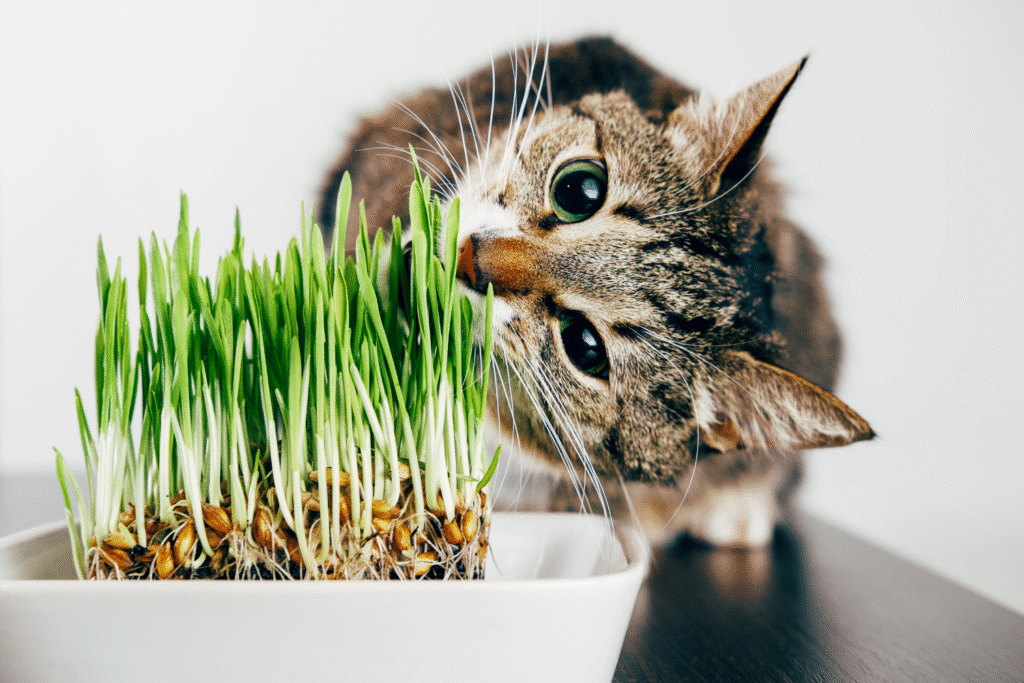
Gold-Coated Hairballs Give Scientists a New Look at Why Cats Eat Grass

Scientists finally solved the grass-eating mystery using microscopic evidence.

©Image license via Canva

Cat owners have long puzzled over their pets’ habit of munching grass only to vomit it back up minutes later. This seemingly pointless behavior has baffled scientists for decades, spawning theories about everything from parasite removal to nutritional deficiencies. The mystery persisted because no one had looked closely enough at what actually happens when grass meets hairball.

Recent research has finally cracked this feline code using an unconventional approach that involved coating cat hairballs in gold. The findings reveal that cats have essentially discovered a natural plumbing tool, using grass’s microscopic features to manage one of grooming’s messiest side effects.

Read more

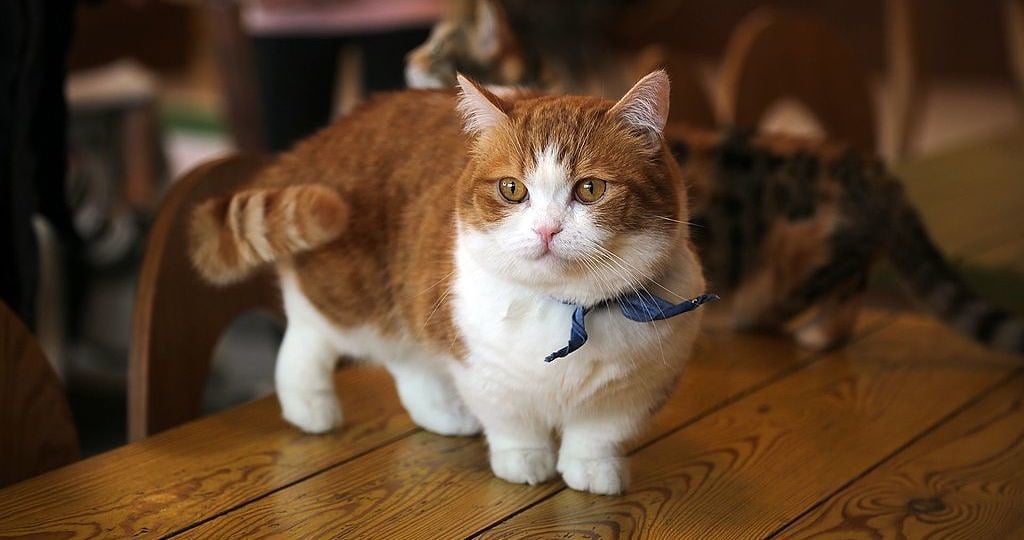
Adorable or Problematic? 10 Things You Need to Know About Munchkin Cats

These short-legged cats spark heated breeding debates.

©Image license via Flickr/gatos yhumanos

Munchkin cats have captured hearts worldwide with their stubby legs and kitten-like appearance that persists throughout their adult lives. However, beneath their undeniably cute exterior lies a complex web of genetic concerns, ethical debates, and health issues that every potential owner should understand. These controversial felines represent one of the most divisive breeds in the cat world, splitting opinions between those who find them irresistibly adorable and veterinary professionals who question the ethics of intentionally breeding cats with skeletal abnormalities.

Read more

8 Stunning Spotted Domestic Cats

Nature’s artwork comes in feline form.

©Image license via Canva

Spotted cats bring a touch of wild elegance into our homes, their distinctive markings telling stories of ancient genetics and careful breeding. These felines carry patterns that echo their larger cousins in the wild, from leopards to ocelots, yet they purr contentedly on our sofas. Each spotted breed represents decades of selective breeding to preserve and enhance these captivating coat patterns. The genetics behind spotted fur involves complex interactions between multiple genes, creating endless variations in size, shape, and distribution of spots across each individual cat.

Read more

Cats Need Way More Stimulation and Socialization Than Once Thought, According to New Study

Feline attachment styles mirror human emotional patterns perfectly.

©Image via Canva

The stereotype of the aloof, antisocial cat is officially dead in the water. Groundbreaking research has revealed that our feline friends are far more social, emotionally complex, and stimulation-hungry than we ever imagined. Scientists have discovered that cats not only form deep attachment bonds with their humans, but these relationships actually trigger measurable hormonal changes similar to what happens between parents and children. The findings challenge decades of assumptions about feline behavior and suggest that many behavioral problems stem from inadequate social engagement rather than inherent cattiness. This research could revolutionize how we care for our cats, shifting focus from simply providing food and shelter to meeting their sophisticated emotional and social needs.

Read more