A Cat’s Midnight Panic Led to a Dangerous Discovery

Something felt wrong before anyone smelled it.

©Image PetsnPals/AI generated image

It was late, the lights were off, and the house had settled into that steady nighttime quiet when most appliances hum unnoticed. Then the scratching started. Persistent. Sharp. A cat who usually curled up without fuss began pacing, crying, and clawing at a closed bedroom door. His owners assumed it was restlessness. It was not. Within minutes, that agitation would pull them toward a smell they had not yet registered and a hazard they could not yet see.


Read more

10 Household Substances That Are Especially Risky for Cats

Everyday cleaners can hide life-threatening dangers.

©Image license via Canva

Most cat owners assume danger comes from outdoors, but the real threat often waits under the kitchen sink. Cats are uniquely sensitive to many chemicals that humans and even dogs tolerate without issue. Their tiny livers can’t process toxins as efficiently, meaning a harmless spritz of disinfectant or whiff of essential oil can become deadly. From laundry rooms to bathrooms, the invisible hazards add up. Understanding which chemicals pose the greatest risks isn’t about paranoia, it’s about keeping that curious nose safe from silent household dangers.

Read more

If Your Cat Feels Ignored, Here’s What Happens

The signs are subtle, but they add up.

©Image via Canva

Cats rarely stage dramatic protests when they feel overlooked. More often, the shift shows up in small behavioral changes that are easy to dismiss at first. A little more distance. A little more noise at inconvenient times. A new habit that seems random until it isn’t. Feline behavior experts say attention, even brief and consistent interaction, plays a bigger role in emotional stability than many owners realize. When that rhythm changes, your cat adjusts, and not always in ways you expect.

Read more

Why Your Independent Cat Turns Into Velcro After Dark

The night changes everything inside your house.

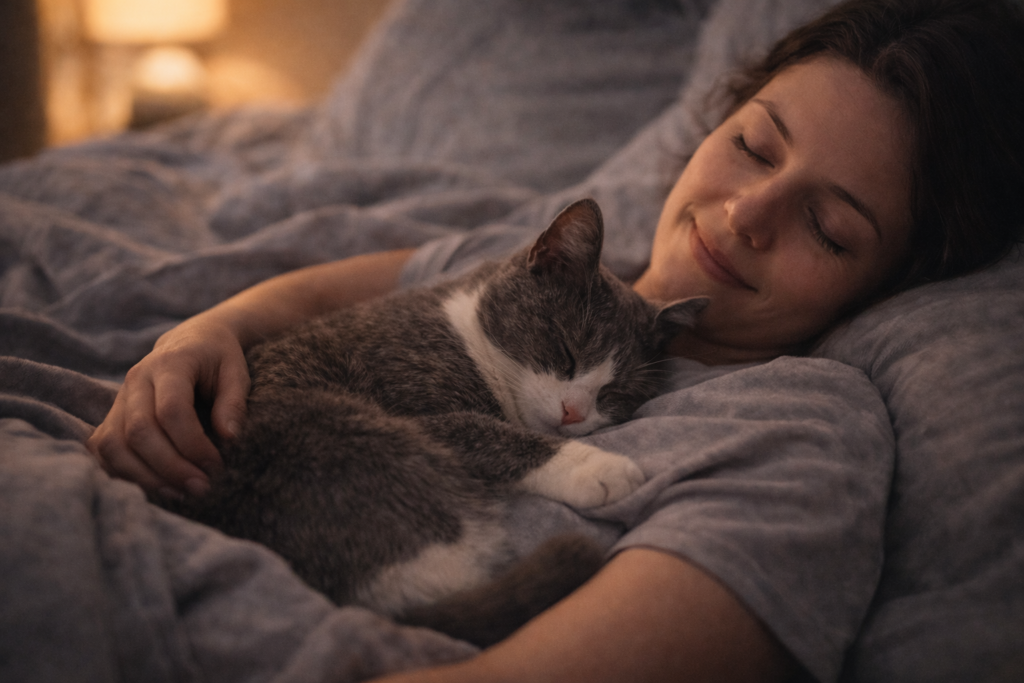
©Image PetsnPals/AI generated image

All day your cat moves like a tenant who barely acknowledges you. It naps in sunbeams, ignores your calls, and chooses the far corner of the couch. Then evening falls. Suddenly it follows you from room to room, curls against your legs, and insists on sleeping pressed against your ribs. The shift feels dramatic, almost suspicious. What changes after sunset is not mood alone. It is biology, environment, and instinct colliding in ways most owners never notice.

Read more

Why Vets Are Seeing a Surge in Feline Diabetes in Younger Cats

The diagnosis no one expects at two years old.

©Image via Canva

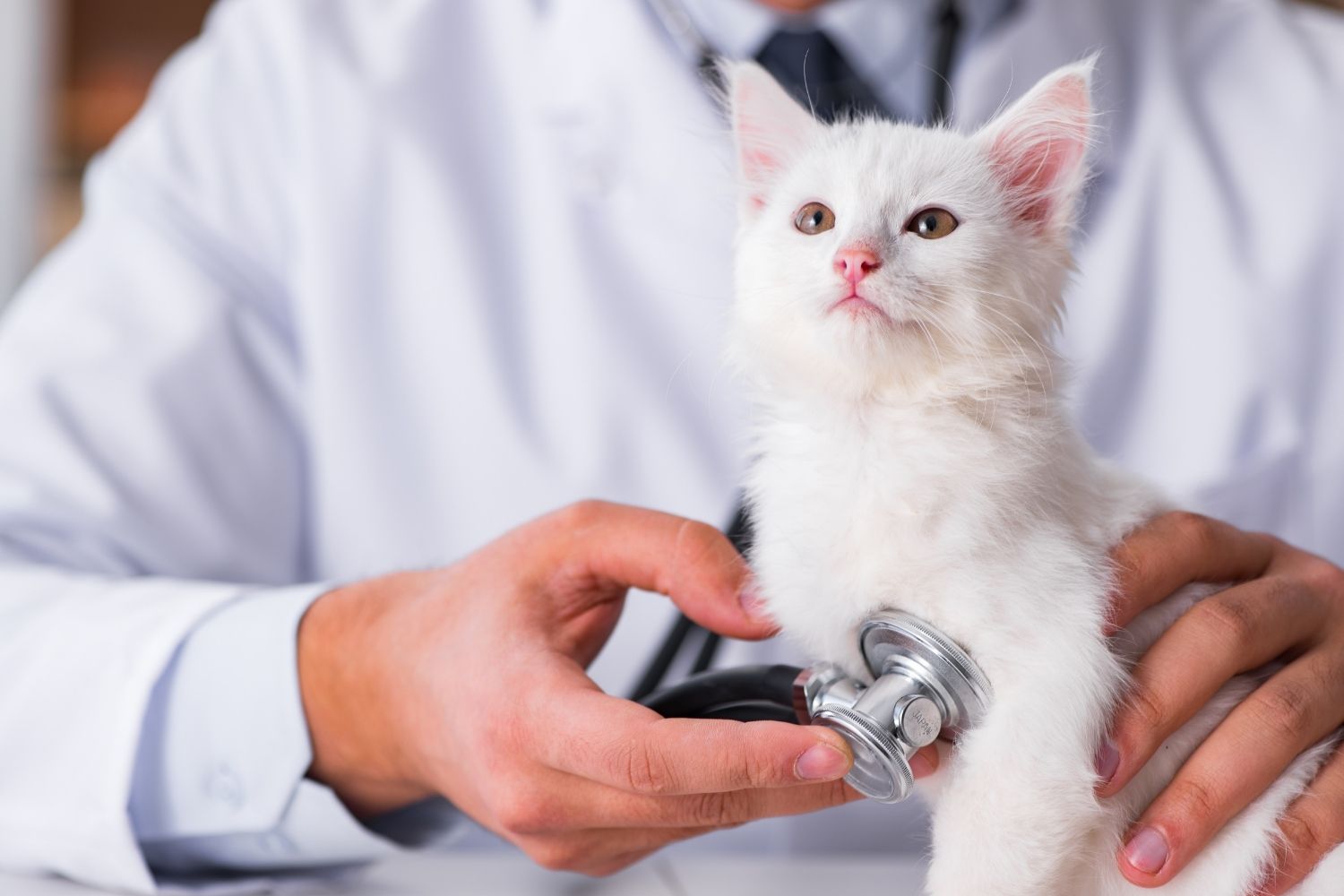
For decades, feline diabetes was largely associated with older, overweight cats edging into middle age. Now veterinarians across North America and parts of Europe are reporting something different. Cats barely out of kittenhood are arriving with elevated blood glucose levels, increased thirst, and unexplained weight changes. The pattern is subtle but persistent. Clinics are not calling it a crisis yet. Still, the age shift is raising uncomfortable questions about what has changed inside modern homes.

Read more