8 Signs Your Cat Slowing Down Isn’t Just Aging, It May Be in Pain

Cats hide pain so well it often looks like aging.
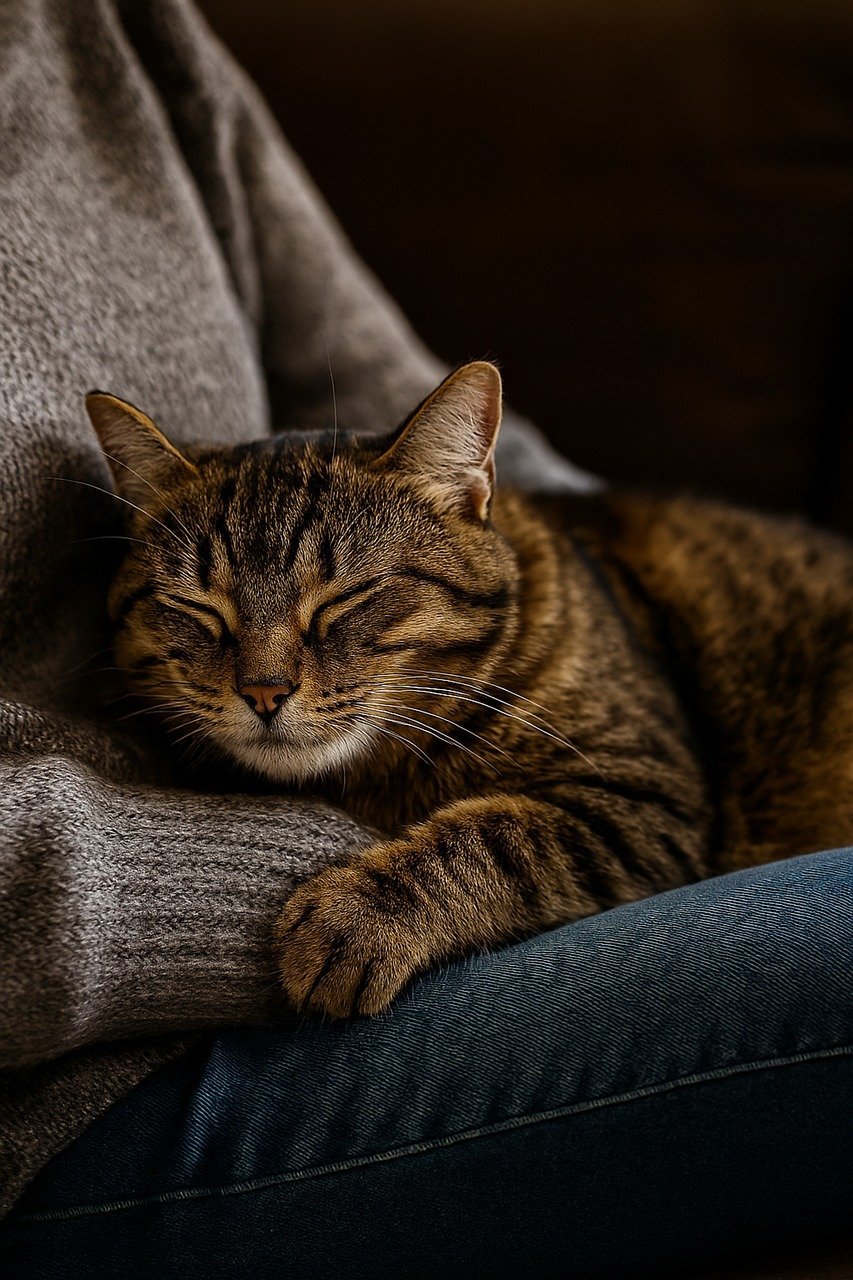
©Image license via Pixabay/Andy_Eneses

When your cat starts sleeping more, moving slower, or ignoring favorite spots, it’s tempting to blame old age. But many cats showing these “senior” traits are actually suffering from undiagnosed pain. Because cats instinctively conceal weakness, subtle clues, like skipping jumps or grooming less, become their only cries for help. Recent veterinary research shows that feline pain, particularly arthritis and dental or nerve issues, is frequently mistaken for aging. Spotting these signs early can drastically improve a cat’s comfort and life span. Here are eight key signs that pain, not age, might be the real culprit.
Read more

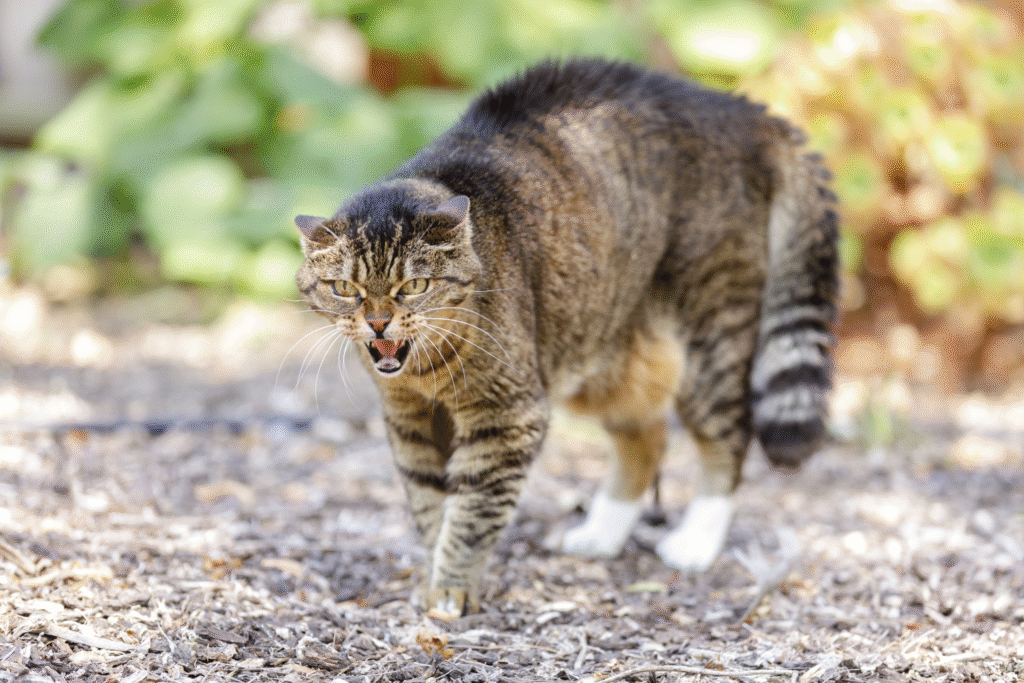
10 Damaging Impacts Feral Cat Colonies Are Having Right Outside Your Door

The problem may be closer than you think.

©Image license via Canva

They slip through fences at dusk, move between parked cars, and vanish before most people notice them. To some neighbors, they are harmless strays or even quiet companions lingering at the edge of backyards. But their presence is not as neutral as it seems. Across suburbs and small towns, clusters of free roaming cats are changing the rhythm of local wildlife in ways few residents ever see.

Wildlife biologists and conservation groups have been tracking the ripple effects for years. Songbirds disappear from feeders. Native reptiles thin out. Small mammals vanish from greenbelts and drainage corridors. The shift happens gradually, almost invisibly, until the chorus of a neighborhood sounds different than it once did.

Read more

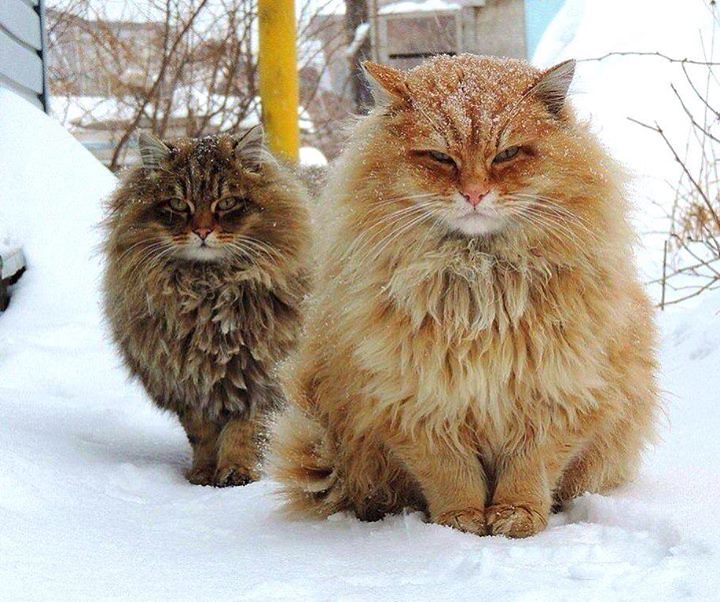
The Siberian and Maine Coon Comparison That Gets Complicated Fast

Beneath the fluff, their genetics tell very different stories.

©Image license via Flickr/Sousapp – Rio De Janeiro – Brasil

At first glance, the Siberian and the Maine Coon seem cut from the same luxurious cloth. Both are large, long haired, and built for cold climates, with faces that look almost sculpted for admiration. For many families, the decision comes down to personality, size, or reputation. But what rarely enters the conversation at the start is what lives beneath that thick coat.

These two breeds carry distinct genetic legacies that shape more than appearance. Certain inherited conditions appear more frequently in one than the other, influencing lifespan, vet bills, and long term care. The choice is not simply aesthetic. It is biological. And understanding those differences can change the decision entirely.

Read more

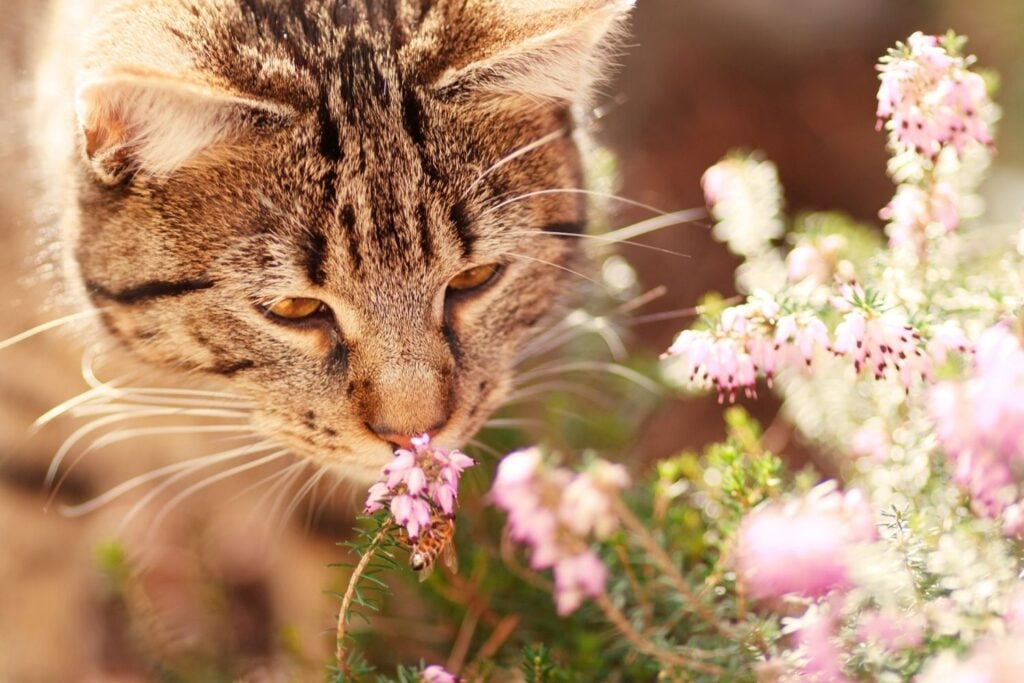
Why Certain Cats React Strongly To One Specific Smell

A harmless scent can flip a feline switch.

©Image license via Canva

Some cats freeze, others roll, drool, sprint, or seem briefly possessed, all from the same scent drifting through a room. Owners often laugh it off, but scientists have spent decades puzzling over why reactions vary so wildly. The behavior appears playful, yet it triggers neurological pathways tied to survival, reproduction, and memory. Not every cat responds, and those that do may change with age. What looks like silliness masks a deeper biological gamble still not fully understood.

Read more

10 Ways To Tell Whether Your Cat Likes You or Not

The clues are subtle, and most people miss them.

©Image PetsnPals/ChatGPT

Cats rarely announce their feelings in obvious ways. There is no tail wagging, no dramatic reunion at the door, no clear yes or no. Instead, affection shows up sideways, in pauses, glances, routines, and small permissions that feel meaningless until they stop happening. Many people assume their cat is indifferent when it is actually choosing them in subtle, deliberate ways. This list looks at the everyday behaviors that quietly reveal whether your cat genuinely likes you, tolerates you, or is still deciding where you stand.

Read more