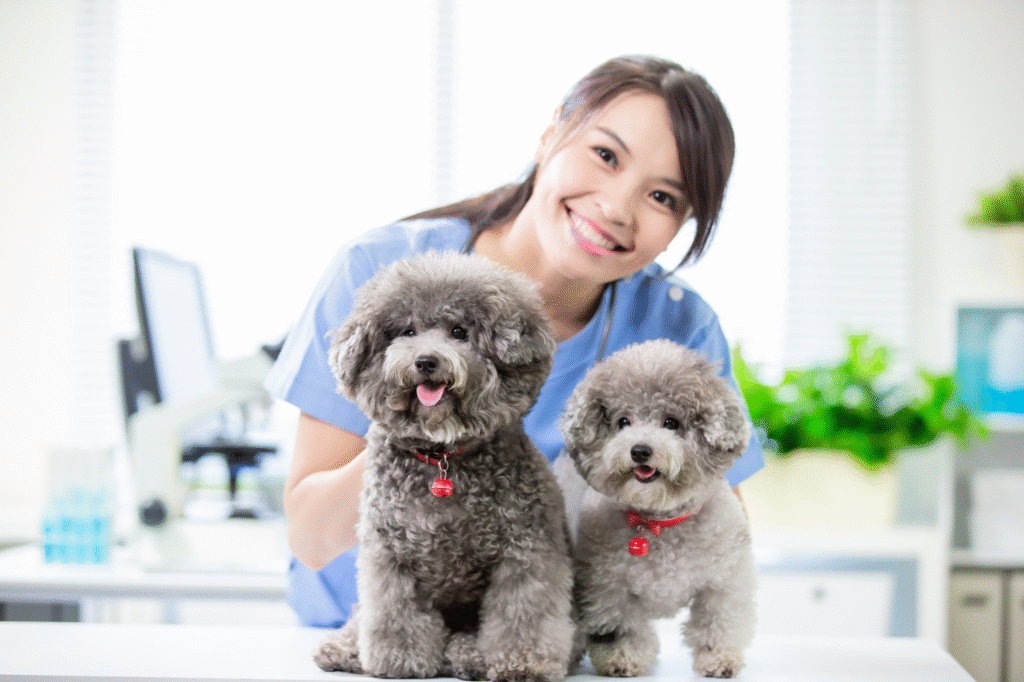
Why Dogs Adjust Their Personality Based on Household Routine

Daily patterns quietly shape canine behavior.

©Image license via iStock

Inside every home, routines form whether people notice them or not. Wake up times, meal schedules, work hours, noise levels, and emotional rhythms repeat day after day. Dogs do not just observe these patterns, they adapt to them. Over time, behavior that looks like personality change is often a flexible response to predictability, stress, or instability in daily life. Dogs evolved to read human patterns closely because survival depended on it. Modern households still shape canine behavior through routine, even when no training is involved.
Read more

How Weather Pressure Changes Can Trigger Anxiety in Dogs

Atmospheric shifts affect dogs before storms appear.

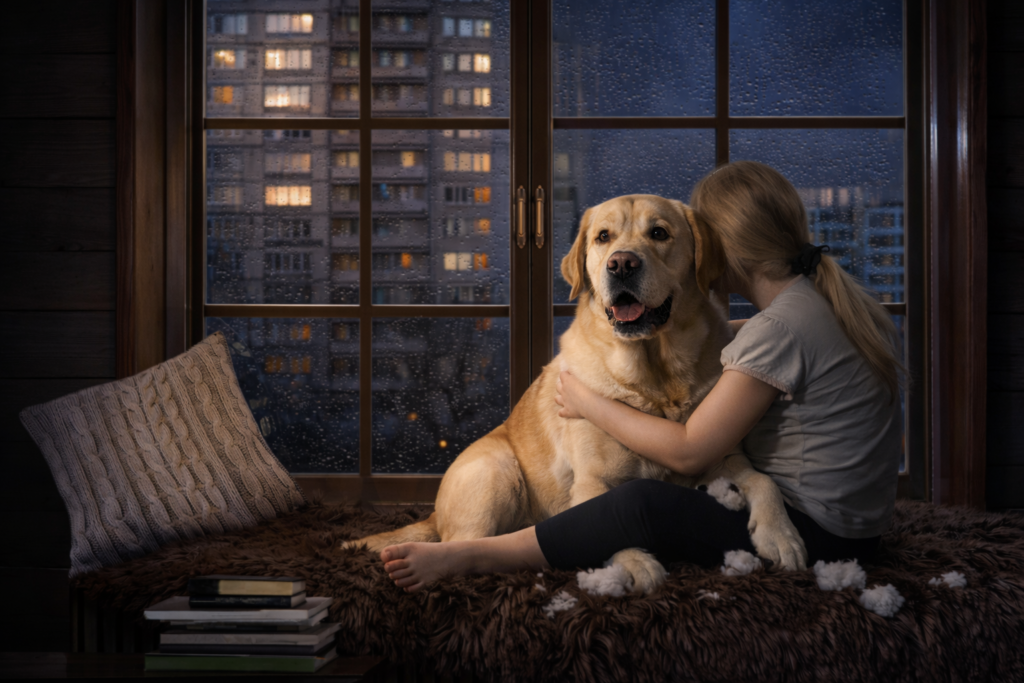
©Image PetsnPals/ChatGPT, Girl comforts anxious dog during storm

Across many regions of the United States, dogs often show anxiety long before weather visibly changes. Owners notice pacing, shaking, clinginess, or hiding hours ahead of storms. These reactions are not random. Barometric pressure shifts occur well before rain, wind, or thunder arrives, and dogs sense those changes internally. Their bodies respond to subtle physical signals that humans barely register. For some dogs, these sensations feel uncomfortable or alarming. Understanding how pressure changes affect the canine nervous system helps explain why anxiety appears suddenly and why it can feel intense and hard to soothe.

Read more

14 Dogs That Become Destructive When Slightly Bored

Idle minds push working instincts into overdrive.

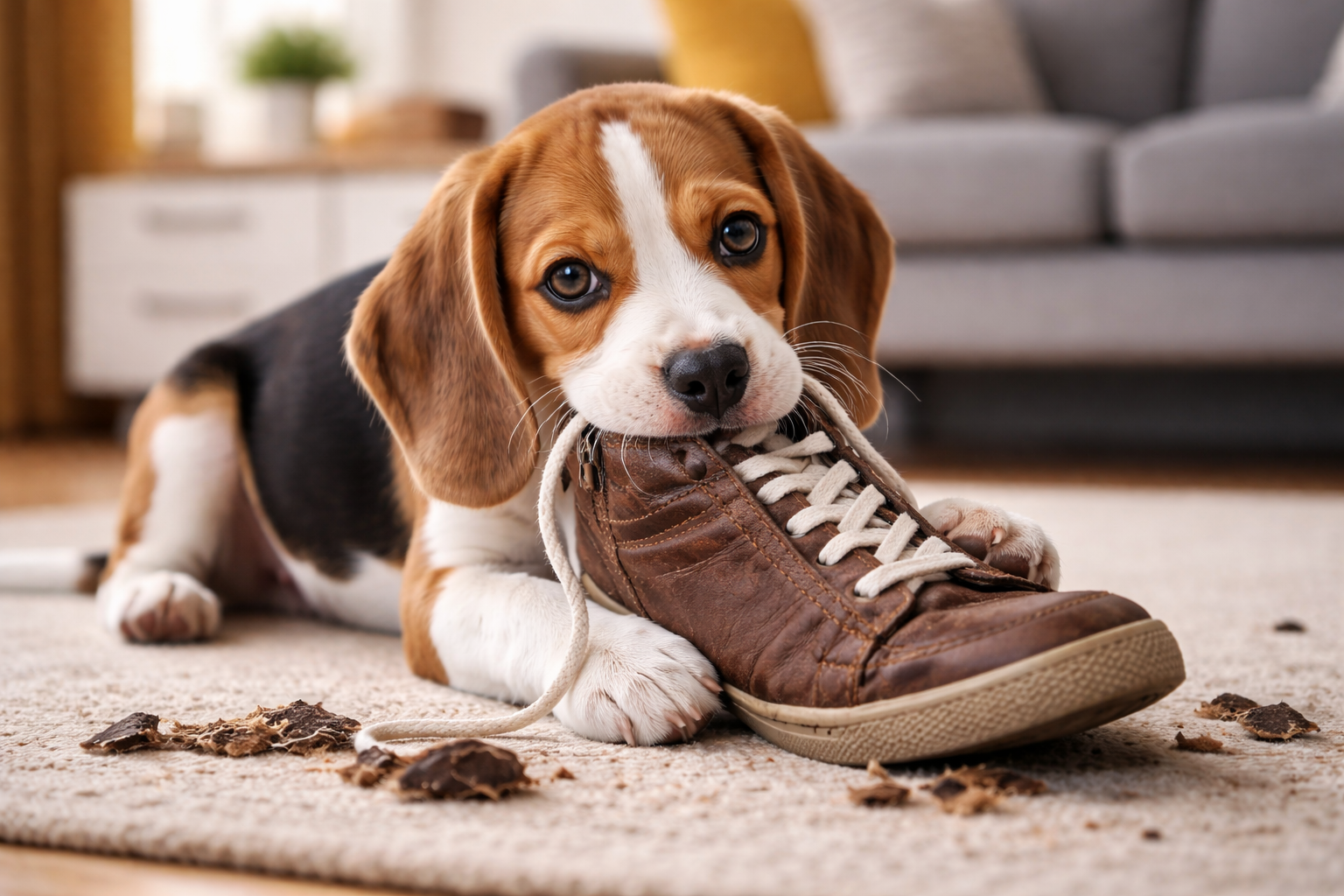
©Image PetsnPals/ChatGPT, Beagle puppy with chewed sneaker

Destructive behavior rarely comes from bad dogs. It comes from unmet mental and physical needs colliding with long hours of inactivity. Across homes in the United States, veterinarians and trainers see the same pattern repeat. Certain breeds unravel quickly when stimulation drops even briefly. Chewing, digging, shredding, and escaping are not acts of rebellion. They are problem solving behaviors misdirected by boredom. These dogs were designed to work, think, and move. When that outlet disappears, energy turns inward and then outward, often at your furniture’s expense.

Read more

12 Dog Breeds That Can Turn Aggressive Without Proper Socialization

Early experience determines whether instincts stay balanced.

©Image license via iStock

Aggression in dogs is rarely random or sudden. It develops when natural instincts meet unclear social rules. Some breeds were shaped to guard, control space, or make independent decisions, which means their behavior depends heavily on early exposure. When puppies miss consistent, positive interactions with people, dogs, and environments, uncertainty fills the gap. That uncertainty can harden into fear based or defensive aggression over time. These dogs are not dangerous by default. They are unfinished socially, carrying powerful instincts without the context needed to regulate them safely.

Read more

How Early Neutering Timing Can Affect a Dog’s Long Term Behavior

Timing shapes behavior more than owners expect.

©Image license via Canva

Neutering decisions are often framed as medical or ethical choices, but timing plays a powerful developmental role that unfolds over years. Hormones guide how the brain organizes emotion, confidence, and stress response during growth. When those signals change earlier than the body expects, behavior adapts in lasting ways. These shifts are rarely dramatic all at once. They surface gradually in how dogs handle novelty, recover from stress, and interact socially. Understanding timing helps explain why two neutered dogs can mature very differently despite similar homes and training.

Read more