How Indoor Lighting May Be Disrupting Your Dog’s Sleep Cycle

Artificial light is reshaping how dogs experience night.

©Image license via Canva

Dogs evolved alongside predictable cycles of daylight and darkness. Indoor lighting has altered that rhythm in homes across the United States over the past several decades. Lights stay on later, screens glow after sunset, and rooms rarely reach full darkness. Canine brains still rely on light cues to regulate sleep hormones, body temperature, and rest depth. When those cues blur, sleep becomes lighter and less restorative. Owners often notice pacing, early waking, or nighttime restlessness without realizing indoor lighting plays a role.


Read more

Why These 10 Dogs Are More Prone to Sudden Fear Responses

Startle reactions reveal how canine brains stay alive.

©Image license via iStock

Fear responses in dogs are rarely random. They are shaped by genetics, early sensory development, and centuries of selective breeding. Some dogs are wired to react fast because hesitation once meant injury or death. Sudden fear responses often look dramatic, but they are usually protective reflexes firing before conscious thought. Certain breeds experience this more intensely due to how their brains process sound, movement, and unpredictability. Knowing which dogs are more prone helps owners respond with patience instead of frustration, especially when fear seems to appear without warning.

Read more

The Hidden Reason Some Dogs Never Learn to Swim Naturally

Swimming struggles often begin long before water.

©Image license via Canva

Many people assume swimming comes naturally to all dogs, but real world observations tell a different story. Across backyard pools, lakes, and beaches, some dogs freeze, flail, or refuse water entirely. This is not stubbornness or lack of intelligence. It is the result of biology, early development, and how a dog’s brain learns safety. Long before paws ever touch water, invisible factors are already shaping whether swimming feels intuitive or terrifying. Those early influences stay with dogs for life, even when owners try patiently to teach later on.

Read more

12 Dog Breeds That Are the Worst Choice for First-Time Owners

Experience matters more than affection alone.

©Image license via Canva

First time dog ownership often begins with good intentions and a friendly face. What many people discover later is that some breeds demand far more structure, time, and emotional steadiness than beginners expect. Veterinarians and trainers across the United States see the same pattern repeat in clinics and shelters. Dogs are surrendered not for bad behavior, but for mismatched expectations. These breeds are not bad dogs. They are simply demanding in ways that surprise new owners quickly.

Read more

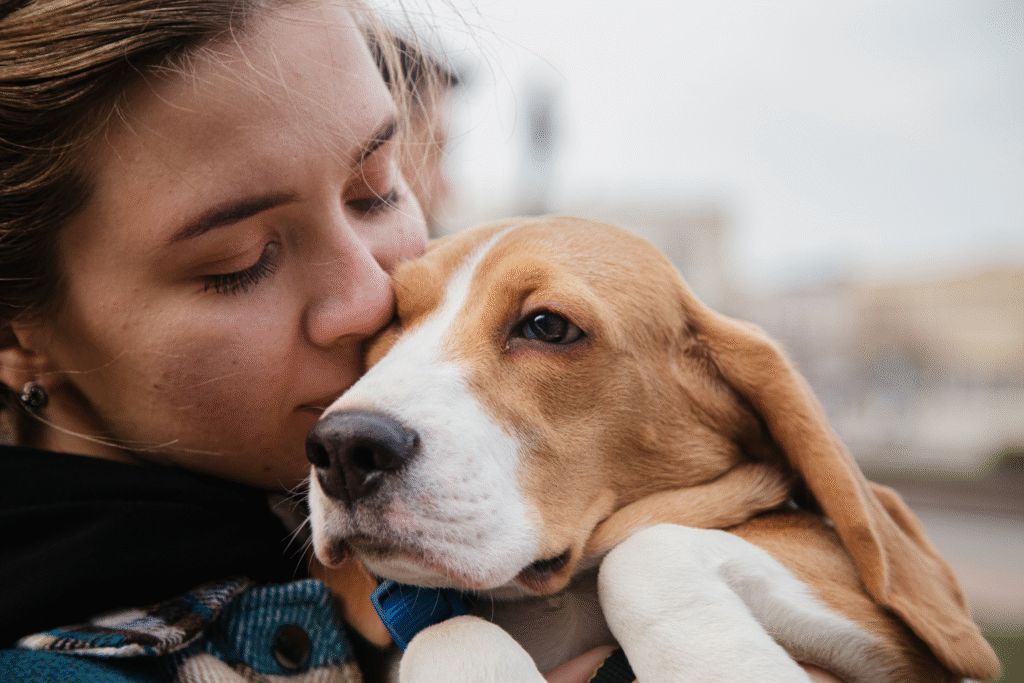
When a Dog Falls in Love With You, These 8 Behaviors Appear

Love shows itself through quiet, consistent choices.

©Image license via Canva

Love in dogs rarely arrives as a single moment. It builds quietly through shared routines, repeated safety, and emotional trust. Veterinarians and behaviorists often recognize it during moments of stress, recovery, or aging, when dogs reveal who they rely on most. These behaviors are not tricks or training results. They emerge naturally when a dog feels emotionally bonded. The signs are subtle, steady, and deeply personal. Once you notice them, the relationship begins to feel intentional rather than accidental.

Read more