Why Your Dog’s Behavior Could Be Hiding a Serious Health Problem

Small changes can signal something far more dangerous.

©Image license via Canva

Dogs rarely show pain the way humans expect. Instead, illness often surfaces through subtle behavioral shifts owners brush off as aging, mood, or stubbornness. Vets warn that these early signals frequently appear weeks or months before physical symptoms become obvious. Missed signs can delay diagnosis until conditions worsen. From changes in sleep to sudden aggression, behavior is often the first clue something is wrong. Understanding these patterns matters because acting early can dramatically change outcomes for dogs facing serious underlying health issues.

Read more

What Changes in a Dog’s Bark Tone Can Signal About Their Emotions

Barking shifts often reveal more than noise.

©Image license via iStock

A dog’s bark can change long before behavior does. Tone rises, drops, stretches, or tightens in ways owners hear daily but rarely question. These shifts often happen at doors, during walks, or late at night, moments when emotion runs high. Because barking feels normal, the warning signs slip past unnoticed. Vets and behaviorists say tone changes can signal emotional strain, fear, or excitement well before physical reactions appear. Misreading them can escalate stress, conflict, or risk faster than most people expect.

Read more

A New Dog Breed Just Earned Official AKC Recognition

A long overlooked hound finally crosses the line.

©Image PetsnPals/ChatGPT

The shift happened slowly enough that many missed it at first. One registry update, a quiet confirmation, and suddenly decades of debate felt unsettled again. Breeders who had guarded bloodlines for generations noticed the change immediately. Others only sensed it when unfamiliar names began appearing in official records. Recognition does more than validate paperwork. It changes who pays attention, who invests, and who decides what comes next. For this breed, the timing raises as many questions as it answers.

Read more

10 Signs Your Dog Might Be in Pain Without Showing It

Quiet behaviors often hide serious physical strain.

©Image license via Canva

Dogs rarely announce pain clearly. They adapt instead. At home, on walks, and during familiar routines, many dogs continue functioning while their bodies quietly compensate. The real risk is not sudden injury but delayed recognition. Subtle changes in movement, rest, and interaction often appear weeks before obvious symptoms. By the time limping, crying, or refusal becomes clear, pain has usually reshaped behavior for some time. The signs are easy to dismiss, which is exactly why they matter.

Read more

Why Neighborhood Wildlife Alters How Dogs Patrol Their Territory

Backyard ecosystems quietly reshape canine surveillance habits.

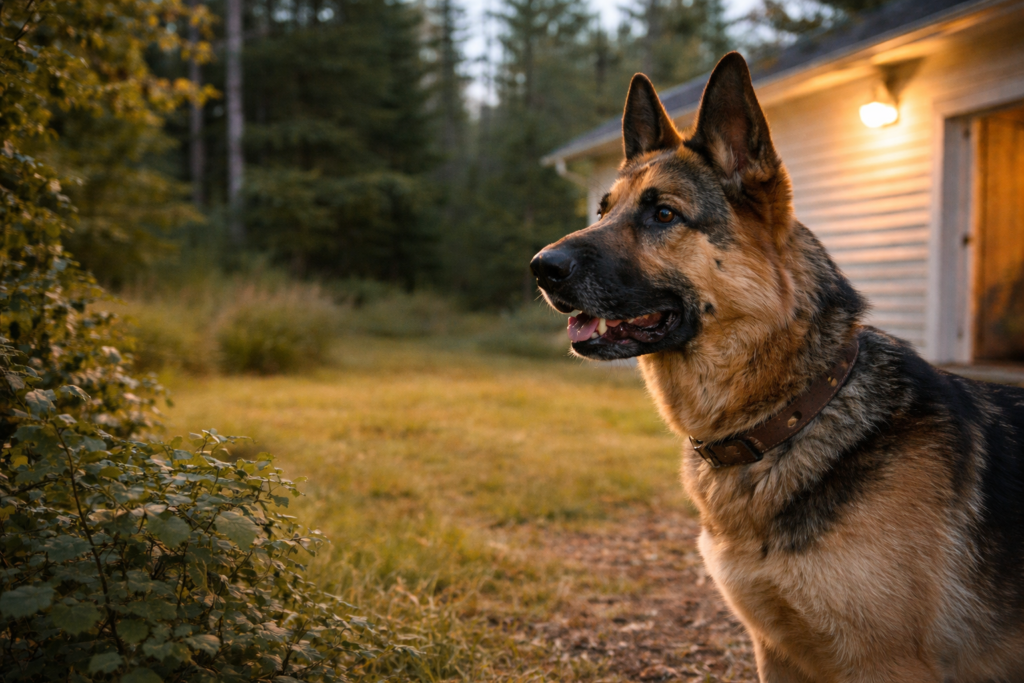
©Image license via PetsnPals/ChatGPT, Alert german shepherd in backyard twilight

Dogs do not guard space in a vacuum. Their patrol patterns evolve alongside animals moving through nearby yards, alleys, drainage corridors, and greenbelts. Coyotes, raccoons, deer, feral cats, and rodents leave constant scent and sound cues that dogs track unconsciously. What looks like random barking or pacing is often careful environmental monitoring. As wildlife increasingly overlaps with suburban and urban neighborhoods, dogs adapt their territorial behavior in precise ways that reflect ancient instincts operating inside modern landscapes.

Read more