Why Dogs From Shelters Often Bond Differently Than Puppies Raised at Home

Attachment grows from history as much as home.
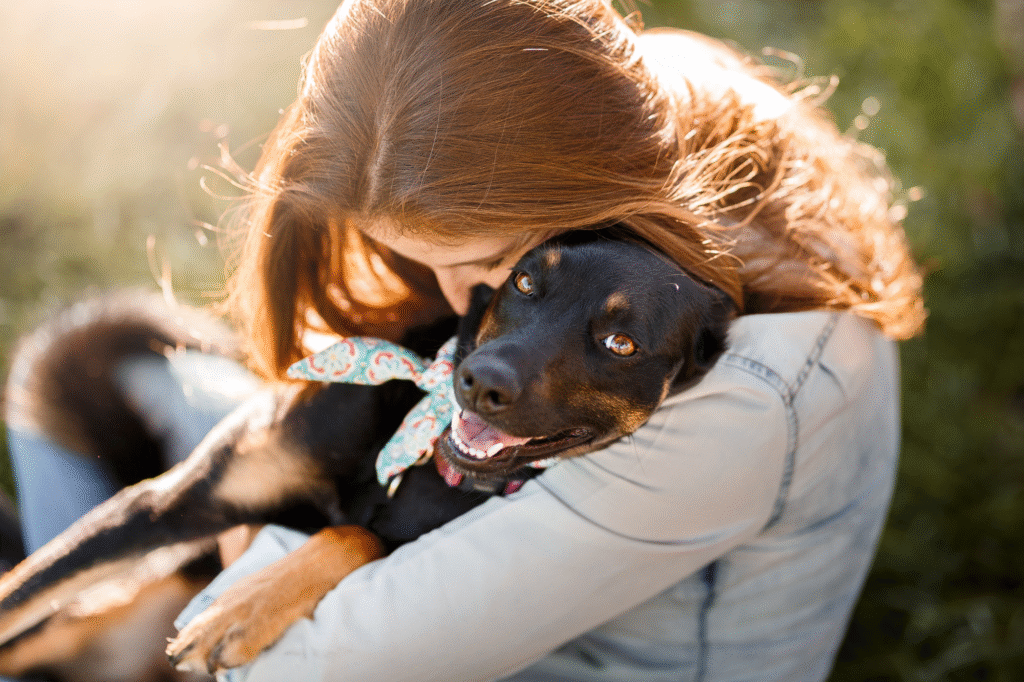
©Image license via Canva

Dogs do not arrive in new homes as blank slates. Where they came from, how many people passed through their lives, and what stability looked like early on all shape how connection forms later. Shelter dogs and home raised puppies often love just as deeply, but they bond differently. Veterinarians and behaviorists in cities like Phoenix Chicago and Raleigh have long noticed distinct attachment patterns emerge within weeks of adoption. These differences are not flaws. They are adaptive responses shaped by experience memory and survival.

Read more

Why Some Dogs Recognize Illness in Humans Before Symptoms Appear

Their senses register biological shifts long before pain.

©Image license via PetsnPals/ChatGPT

Some dogs behave differently before illness becomes obvious. They hover, watch closely, or refuse to leave one person alone. These changes can appear days or even weeks before symptoms. The reason is not instinct or emotional projection. Dogs track scent, motion, breathing, and routine with precision humans cannot match. When internal chemistry shifts, dogs notice immediately. Medicine usually detects illness once disruption becomes measurable. Dogs sense it while the change is still quiet, unfolding beneath awareness.

Read more

What Your Dog’s Paw Size Can Reveal About Their Health

Subtle clues hide in every step they take.

©Image license via Canva

A dog’s paws quietly reflect how their body is functioning beneath the surface. Size shape texture and symmetry shift in response to growth weight joint health and metabolic balance. Veterinarians often observe paw changes during routine exams in cities like Seattle Austin and Toronto before owners notice anything unusual. When paws become larger smaller wider or uneven it is rarely cosmetic. These changes often appear months before visible pain stiffness or mobility loss. Learning to notice paw differences helps catch health concerns earlier while dogs still appear comfortable and active.

Read more

Meet 10 Adorable Dog Breeds with Impressive Beards and Mustaches

Facial hair that tells a deeper canine story.

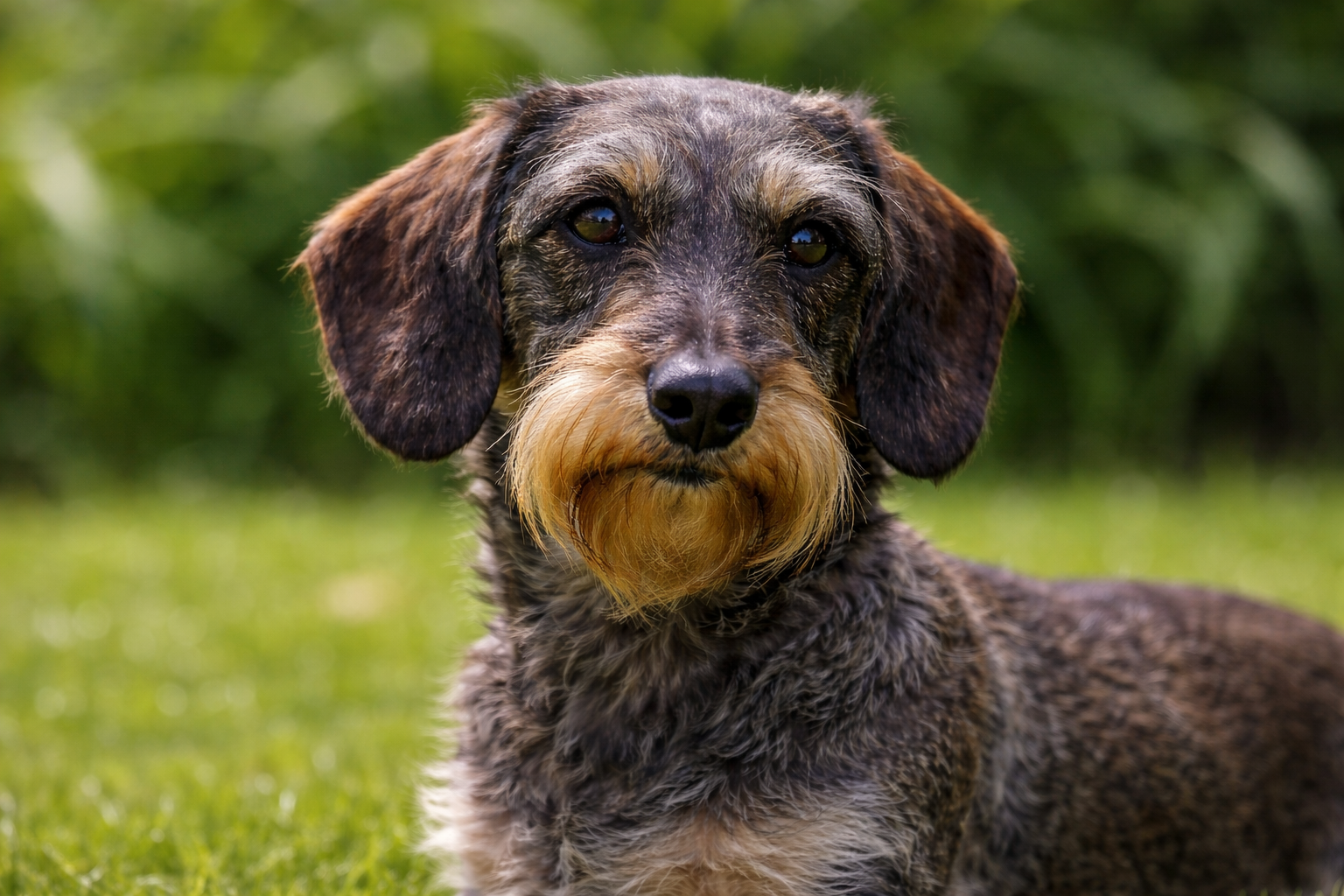
©Image PetsnPals/ChatGPT, Wirehaired Dachshund

A dog’s beard or mustache is more than decoration. Those wiry whiskers and flowing facial furnishings evolved alongside function climate and work. In Europe snowy fields favored insulation while farms demanded protection from debris. Today veterinarians breeders and groomers still read those facial textures for clues about skin health age and temperament. From bustling New York grooming studios to rural kennels in Bavaria these bearded breeds carry centuries of purpose written right on their faces.

Read more

Do Dogs Hold Grudges or Just Remember What Happened?

Negative experiences can leave lasting behavioral traces.

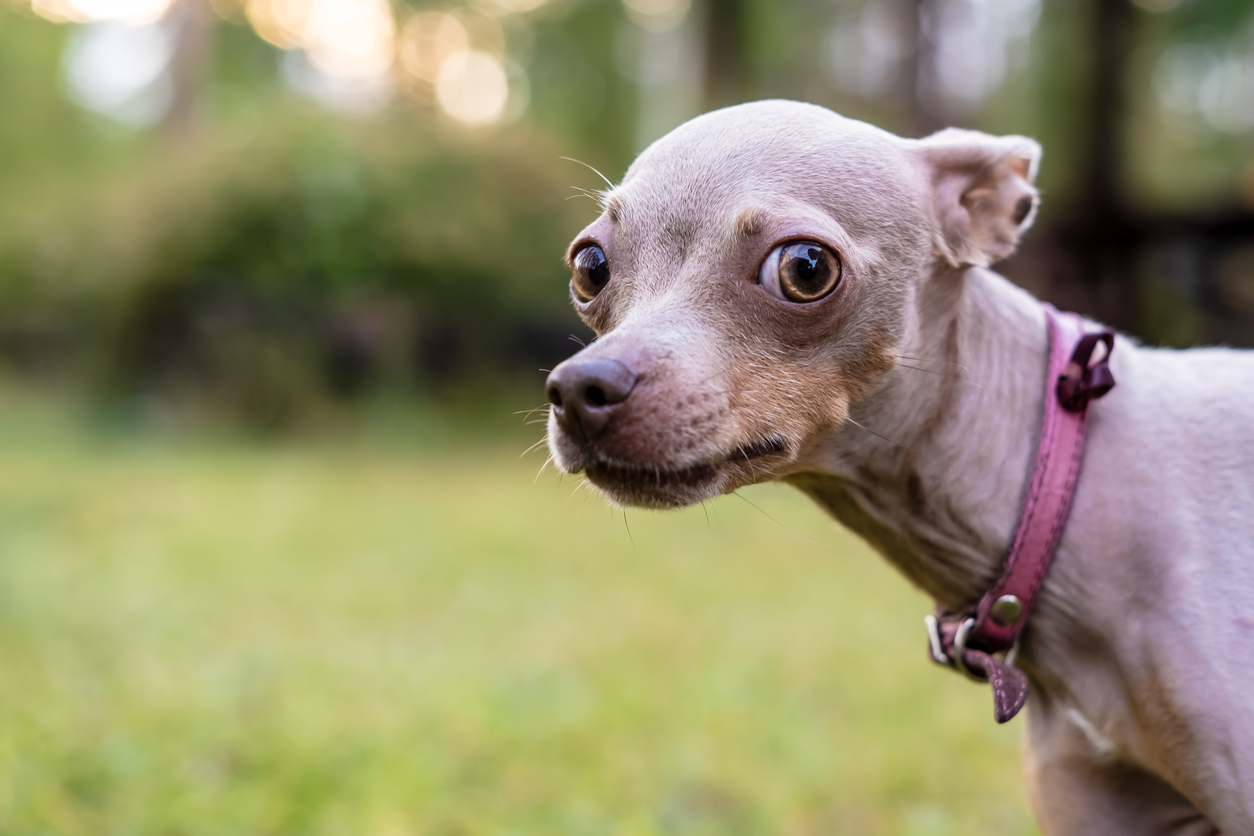
©Image license via iStock

You’ve probably seen it before, your dog gives you the cold shoulder after a scolding or refuses to look at you after a trip to the vet. It feels personal, almost like payback. But experts say the truth is more fascinating and less emotional than it appears. While dogs do remember negative experiences, they don’t stew over them the way humans do. Their reactions are immediate, not moral. Modern studies show that dogs remember how an interaction felt, not why it happened, and those feelings, not grudges, shape how they behave next.

Read more