10 Dogs That Can Snap Under Stress Faster Than You Think

Stress builds quietly, then the bite happens.

©Image license via iStock

On a sunny afternoon at a park in Austin or a crowded sidewalk in Brooklyn, most dogs look fine right up until they are not. Snapping is rarely random. It is usually stress stacking, pain, fear, or frustration meeting one last trigger. Some breeds and body types get pushed into those moments more easily because of how they are handled, misunderstood, or managed. The good news is the warning signs are often there, and the pattern is usually predictable once you know what to watch for.
Read more

Why Some Dog Populations Are Becoming Alarmingly Fragile

Breeding traditions now collide with modern biology.

©Image license via Canva

Purebred dogs once reflected regional pride, working skill, and careful selection. Over decades, closed registries and intense popularity narrowed gene pools faster than anyone expected. Veterinary geneticists now see warning signs once reserved for endangered wildlife. Fertility issues, immune disorders, and inherited disease clusters are rising together. The concern is not theoretical or distant. It is unfolding inside clinics, breeding programs, and research labs right now, forcing scientists to rethink how survival is defined for beloved breeds.

Read more

10 Subtle Ways Dogs Detect Human Stress Before They Do

Canine senses register tension long before awareness.

©Image license via Canva

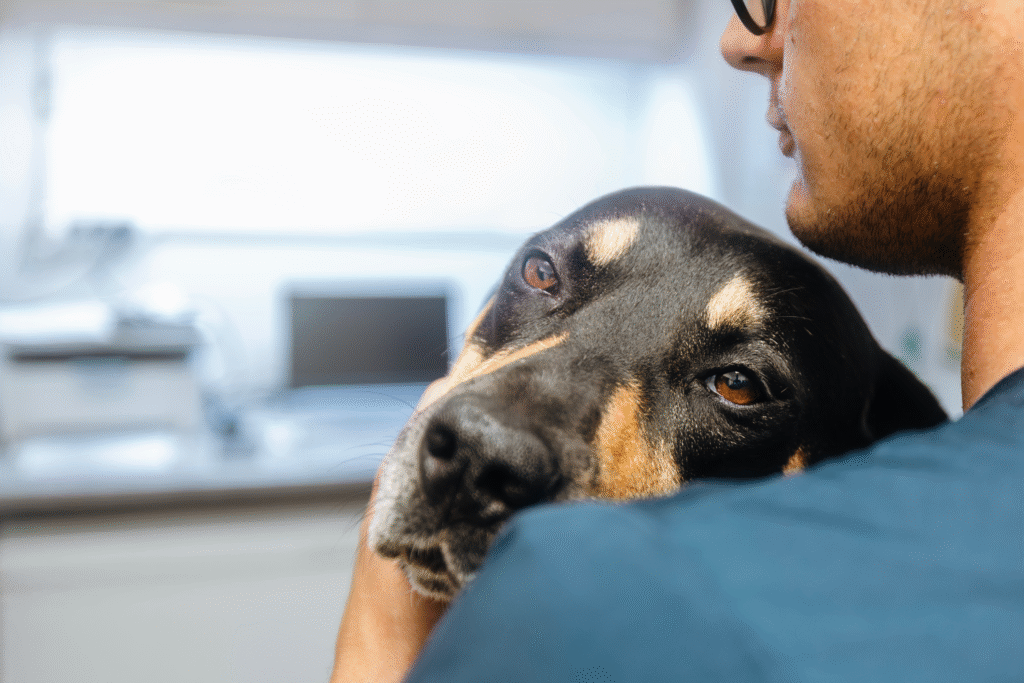
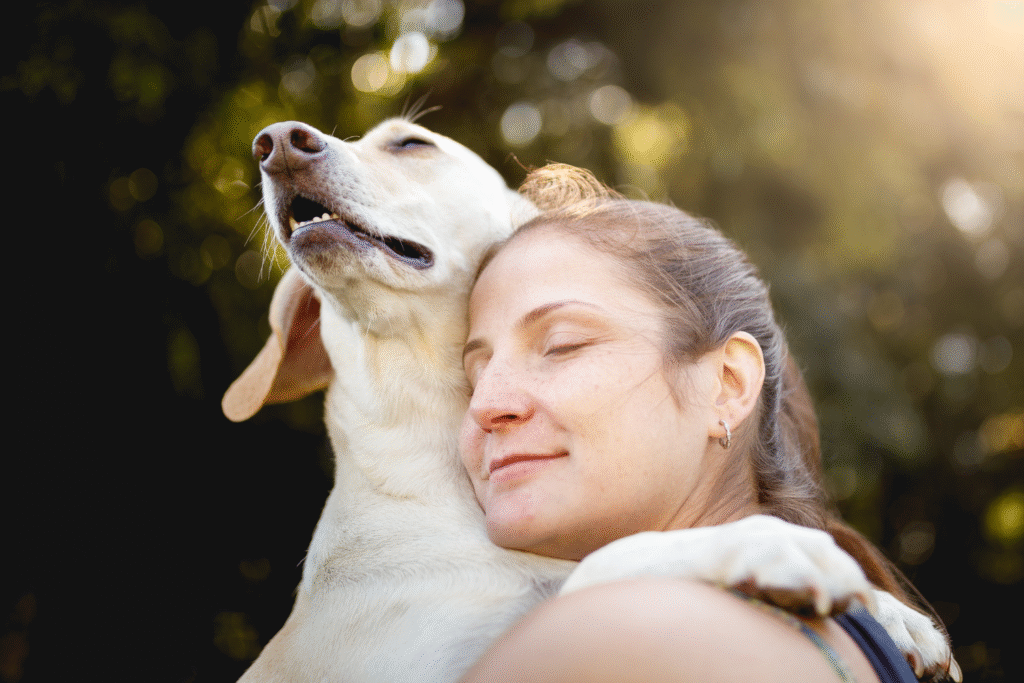
Stress rarely arrives with a clear signal. It seeps into breathing, posture, chemistry, and daily rhythm before the mind catches up. Dogs live close enough to notice every shift. Their perception is rooted in biology shaped by thousands of years alongside humans. While people normalize discomfort or stay distracted, dogs respond to the earliest cues. They track scent, sound, and movement continuously, building a real time picture of emotional state. What feels like intuition is actually precise observation unfolding quietly inside familiar spaces.

Read more

10 Dogs That Can Turn Violent Without Warning, According to Behaviorists

When instinct, stress, and context collide suddenly.

©Image license via Canva

Dogs rarely act without reason, yet some reactions feel sudden because the warning signs are quiet, missed, or misunderstood. Behaviorists studying canine aggression often trace these moments back to genetics, early social gaps, pain, or environmental pressure. In clinics, shelters, and homes, patterns repeat across breeds and mixes. The danger is not evil intent but speed, when escalation outpaces human awareness. Understanding which dogs are more likely to flip without obvious cues helps owners manage risk with humility, preparation, and respect for what dogs are, not what we wish them to be.

Read more

Dogs Raised With Cats Develop Social Habits Most Owners Don’t Expect

Shared homes reshape social rules in subtle ways.

©Image license via Canva

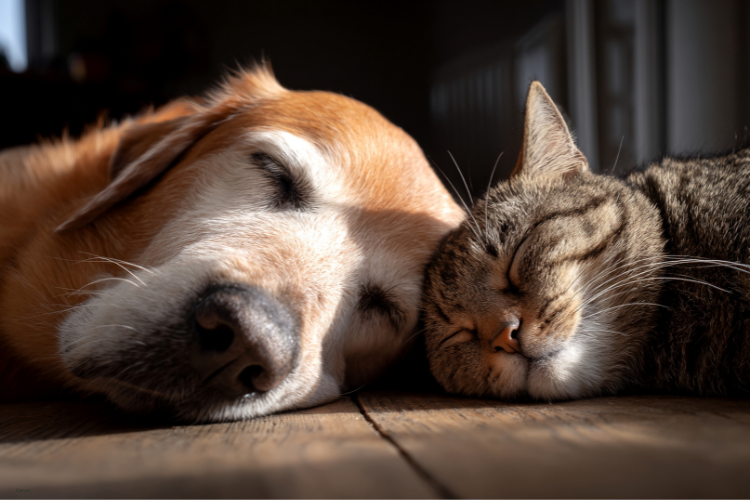
In mixed pet households across the US, dogs and cats negotiate tiny treaties every day. A puppy learns fast that a cat’s patience has limits, and a cat learns which dog manners feel safe. Over months, that constant feedback changes how the dog greets, plays, waits, and even relaxes. None of it looks dramatic, but owners notice the difference when that dog meets other animals or navigates a busy home. The result is a dog with a slightly different social toolkit, tuned by feline boundaries.

Read more