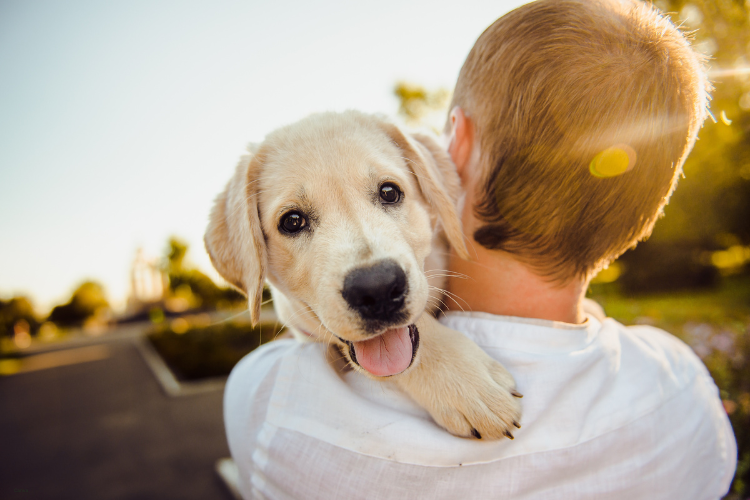
Pain Specialists Reveal 12 Reasons Dogs Suffer in Silence Every Day

What looks normal often hides constant discomfort.

©Image license via PetsnPals/ChatGPT

Dogs have an uncanny ability to appear fine even when something is wrong. They eat, wag, follow routines, and keep pace with daily life while quietly adjusting everything underneath. That silence is not strength. It is survival layered with loyalty. Pain specialists see it repeatedly in clinics, shelters, and long term studies. By the time pain becomes obvious, it has often reshaped posture, behavior, and emotional state for months or years. Understanding why dogs hide discomfort explains why so much suffering goes unnoticed.


Read more

The Science Behind Why Dogs Suddenly Refuse Food They Loved Yesterday

Appetite shifts often signal deeper biological changes.

©Image license via iStock

Dogs do not eat based on habit alone. Appetite reflects biology emotion environment and memory all working together. A meal refused today may connect to something that happened yesterday or even minutes earlier. Understanding why food suddenly loses appeal helps owners recognize normal shifts versus early warning signs tied to health stress or sensory overload inside everyday homes.

Read more

Why Some Dogs Struggle With Alone Time Even After Years of Training

Separation can still register as a genuine threat.

©Image license via Canva

Some dogs appear settled, confident, and well trained, yet panic quietly resurfaces the moment they are left alone. Owners often feel blindsided, especially after years of consistent routines and professional training. The issue is rarely disobedience. Alone time taps into ancient survival wiring tied to attachment, safety, and predictability. Training shapes behavior, but it does not always recalibrate emotional perception. For certain dogs, solitude still triggers uncertainty their brains interpret as real risk, regardless of how calm things look on the surface.

Read more

How Your Home May Be Exposing Your Dog to Dangerous Chemicals, Vets Warn

Everyday products may quietly harm your dog.

©Image license via Canva

Household chemicals surround dogs every day, often unnoticed. Floors, fabrics, air, and water quietly carry residues that interact with curious noses and paws. Dogs experience exposure differently because of grooming habits, body size, and metabolism. Veterinarians increasingly trace chronic skin, stomach, and neurological problems back to routine products used inside ordinary homes across seasons locations and daily routines at home.

Read more

When Dogs Forget Their Favorite People, How to Spot Dementia

The early signs often look subtle before becoming disruptive.

©Image via Canva

Watching a dog hesitate at a familiar doorway or struggle to recognize a once loved routine can feel devastating. For many aging pets, these moments are not stubbornness or disobedience, but early signs of canine dementia. As memory, awareness, and sleep patterns change, dogs may become anxious, disoriented, or distant. Owners are often left wondering when normal aging crosses into something more serious, and how to help before confusion deepens.

Read more