10 Things You Should Never Do When a Dog Is Sniffing You

Small mistakes can turn a harmless sniff into real tension.
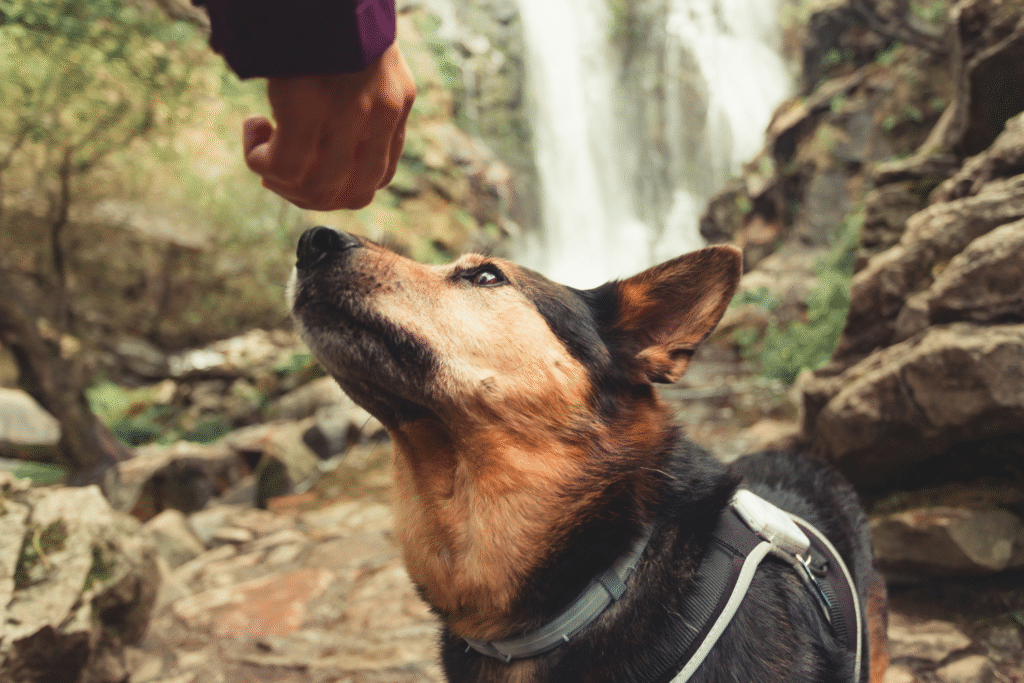
©Image via Canva

It feels harmless enough—standing still while a dog investigates your shoes, your jeans, your entire existence—but those few seconds actually set the tone for how they’ll see you. A sniff is their first handshake, résumé, and background check rolled into one. How you act during it matters more than most people realize. Even the friendliest dog can get startled or defensive if you send the wrong signal, and once that trust breaks, it’s not easily repaired.


Read more

10 Strange Dog Behaviors That Could Point to Brain Tumors

Subtle changes may reflect serious neurological damage.

©Image license via iStock

Brain tumors in dogs often hide behind behaviors that owners mistake for aging, stress, or stubbornness. These cancers—sometimes primary, sometimes metastatic—affect thinking, coordination, and even mood before any dramatic symptoms appear. Because dogs can’t describe their sensations, these early behavioral changes often go unnoticed until the disease is advanced. But new research and veterinary case reviews are helping owners recognize the signs earlier. Here are ten behavioral clues that may point to something deeper happening in the brain.

Read more

9 Ways to Tell Your Dog’s Kidneys Are Struggling Before It’s Too Late

Subtle changes can reveal serious trouble early.

©Image via Canva

Most dog owners can spot when their pet skips a meal or drinks too much water—but few realize those small changes can hint at kidney decline long before it becomes obvious. The kidneys filter toxins, regulate hydration, and balance minerals, quietly keeping the body in check. When they begin to fail, the signs often start softly, hidden behind normal quirks or aging behavior. Understanding what to look for early can mean the difference between reversible damage and a life-threatening condition. Here’s what new veterinary research says about spotting it in time.

Read more

Science Unleashed: Breakthrough Drug Promises to Extend Your Dog’s Life

A new hope for canine aging emerges.

©Image license via iStock

Imagine a world in which your aging dog doesn’t just endure symptoms, but actually regains vitality and gains precious months or years of healthy life. Advances in veterinary pharmacology are now pushing that frontier, with a drug in clinical trials that may shift how we think about aging in dogs.

This isn’t fantasy. In recent months, a biotech firm has cleared a key regulatory milestone, and companion animals are enrolled in the largest longevity study ever attempted in dogs. The push is on to show that this drug can slow aging, not just manage illness—and that difference matters.

Read more

12 Dog Breeds Prone to Diabetes and How to Spot the First Signs

Some dogs face a higher risk than others.

©Image license via Canva

Diabetes isn’t just a human condition—it’s quietly reshaping the lives of thousands of dogs every year. The tricky part is that the first warning signs can look like everyday quirks. A few extra drinks of water, a little more sleep, or a slimmer waistline might seem harmless until it’s not. Certain breeds are simply wired to develop it more often. Knowing who’s at risk and what to look for can literally add years to your dog’s life, turning early awareness into the best medicine of all.

Read more