The Earliest Images of Horses Suggest Something More Than Art

What these animals were meant to communicate remains unclear.
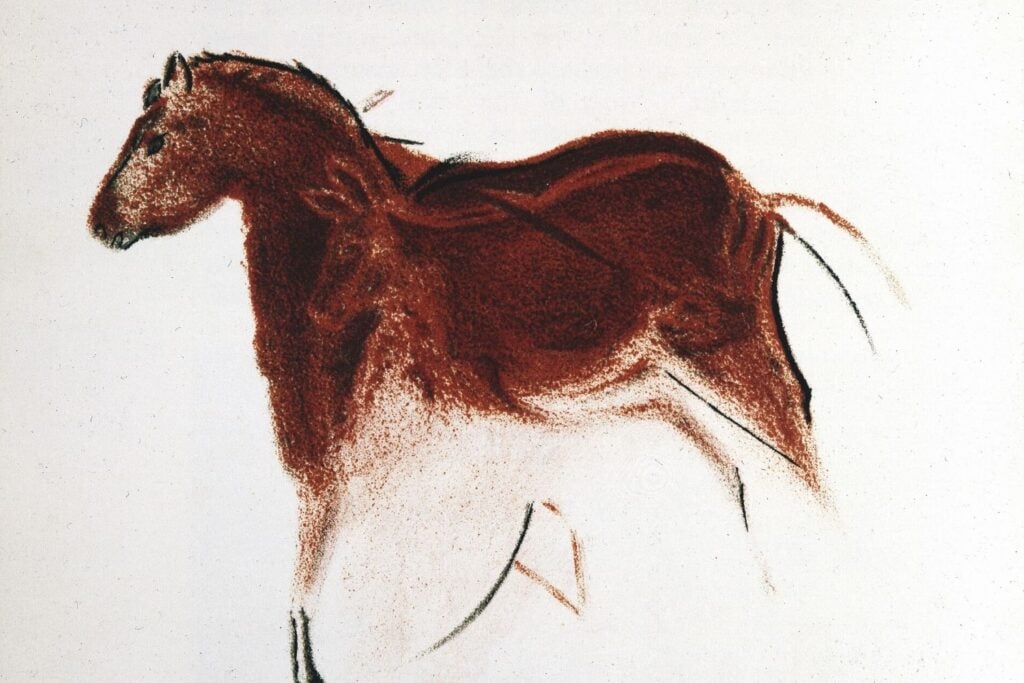
©Image license via Canva

Long before writing systems or recorded history, humans left behind images that still resist simple explanation. Among the most striking are horses painted, carved, and etched across cave walls in Europe and Asia. These images appear repeatedly, rendered with precision, motion, and restraint that feel intentional rather than decorative. Archaeologists once treated them as records of hunting or idle creativity. New discoveries complicate that view. The placement, repetition, and detail suggest something layered and purposeful. The question is no longer whether these images mattered, but what role they played in shaping early human thought.

Read more

10 Hidden Health Problems Common in Domesticated Horses

The risks most owners never notice early.

©Image license via PetsnPals/ChatGPT, Vet Checking Horse

Domesticated horses often appear healthy until subtle problems surface suddenly and expensively. Many of these conditions develop quietly, masked by routine care or misread as normal behavior. Modern stabling, feeding, and workload patterns differ sharply from how horses evolved to live, creating health stresses that accumulate over time. Veterinarians see the same issues repeatedly, often diagnosed late, when treatment becomes harder and outcomes uncertain. Understanding what hides beneath good coats and calm temperaments can change how owners manage care long before visible symptoms force action.

Read more

A Single Horse Breed Changed Warfare Across Three Continents

Speed reshaped empires before gunpowder ever arrived.

©Image via Canva

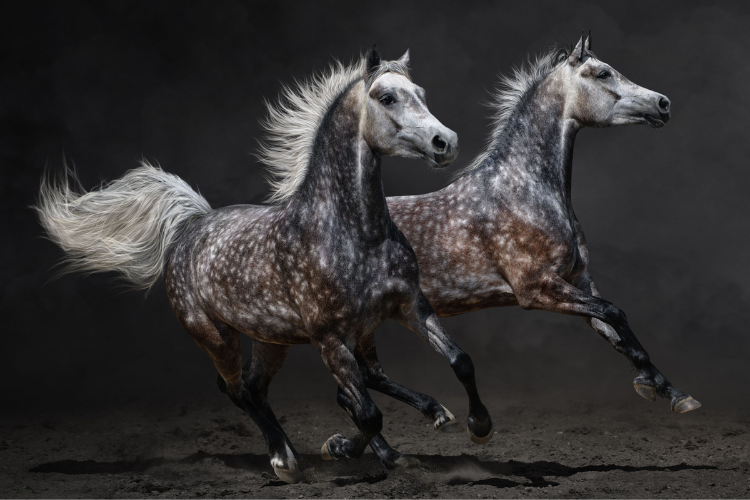
Long before tanks and artillery, military power depended on animals capable of endurance, speed, and loyalty under chaos. Across Europe, North Africa, and the Middle East, this outstanding horse quietly altered how wars were fought, how empires expanded, and how armies survived brutal campaigns between roughly the seventh and nineteenth centuries. Its influence stretched from desert raids under early Islamic caliphates to imperial cavalry charges in Ottoman and European armies, reshaping supply lines, tactics, and breeding programs worldwide. The transformation did not happen overnight, and it was rarely acknowledged at the time. Yet its effects still echo through modern military history and equine genetics.

Read more

9 Forgotten Horse Breeds That Once Powered Entire Economies

These horses built systems modern markets still depend on.

©Image license via Canva

Long before engines dictated growth, survival hinged on animals bred for labor, distance, and endurance. Trade expanded only where strength allowed it. Farms scaled only as far as muscle could pull. When those animals faded from use, the transition looked smooth, yet entire economic systems quietly rebalanced. Roads remained, fields stayed planted, and cities kept growing. What vanished was the living infrastructure that once absorbed risk, limited speed, and enforced restraint. The loss was not sentimental. It reshaped how quickly societies learned to expect abundance.

Read more

How Horses Adapt Physically to Extreme Climates

Survival depends on more than strength alone.

©Image license via Canva

Horses survive in deserts, tundra, mountains, and coastal plains, yet the physical cost of those environments is often underestimated. From heat waves in central Australia to subzero winters on the Mongolian steppe, equine bodies face extremes that threaten circulation, hydration, and muscle function. Adaptation is not cosmetic, it is structural and physiological. Veterinarians and biologists continue to uncover how these animals adjust in real time and across generations. The stakes rise as climate volatility increases, testing limits long assumed stable.

Read more