9 Forgotten Horse Breeds That Once Powered Entire Economies

These horses built systems modern markets still depend on.
©Image license via Canva

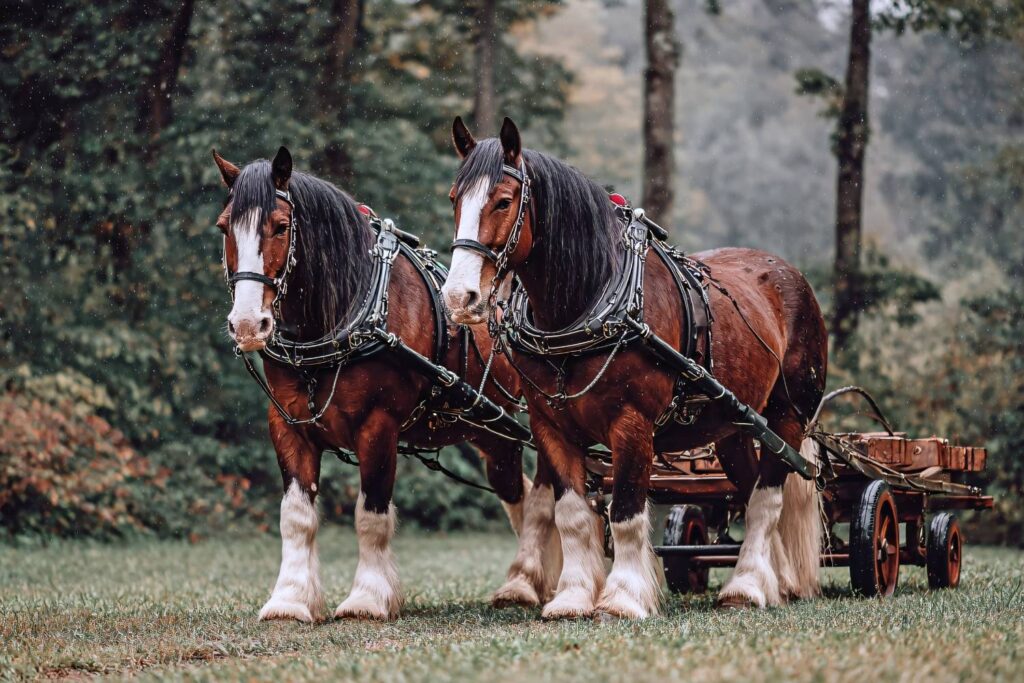
Long before engines dictated growth, survival hinged on animals bred for labor, distance, and endurance. Trade expanded only where strength allowed it. Farms scaled only as far as muscle could pull. When those animals faded from use, the transition looked smooth, yet entire economic systems quietly rebalanced. Roads remained, fields stayed planted, and cities kept growing. What vanished was the living infrastructure that once absorbed risk, limited speed, and enforced restraint. The loss was not sentimental. It reshaped how quickly societies learned to expect abundance.
Read more

How Horses Adapt Physically to Extreme Climates

Survival depends on more than strength alone.

©Image license via Canva

Horses survive in deserts, tundra, mountains, and coastal plains, yet the physical cost of those environments is often underestimated. From heat waves in central Australia to subzero winters on the Mongolian steppe, equine bodies face extremes that threaten circulation, hydration, and muscle function. Adaptation is not cosmetic, it is structural and physiological. Veterinarians and biologists continue to uncover how these animals adjust in real time and across generations. The stakes rise as climate volatility increases, testing limits long assumed stable.

Read more

Why Some Horses Refuse Certain Riders Without Obvious Reason

What looks like stubbornness may be something deeper.

©Image license via Canva

Anyone who has spent time around horses has seen it happen. A calm, capable horse suddenly resists a specific rider for reasons no one can immediately explain. Trainers debate it, owners downplay it, and riders often take it personally. Yet refusals like this are not random. They unfold at barns, lesson programs, and trails across the world, often without visible warning. The stakes are real because misunderstanding a refusal can lead to injury, broken trust, or lasting behavioral issues.

Read more

Why Some Horses Live Past 30 While Others Age Rapidly

Longevity in horses follows patterns owners rarely see.

©Image license via Canva

Two horses can share a pasture, a birthday, and a caretaker yet age at startlingly different speeds. One remains alert and mobile into their thirties while another struggles before twenty. Veterinarians see this divide everywhere and it unsettles owners who believe good care guarantees long life. Aging in horses is not random. It reflects genetics, early growth, workload, and invisible stresses that compound quietly. What looks sudden is usually decades in the making long before symptoms ever clearly appear publicly.

Read more

This Horse Migration Route Has Been Used for Thousands of Years

The land remembers where the horses once walked.

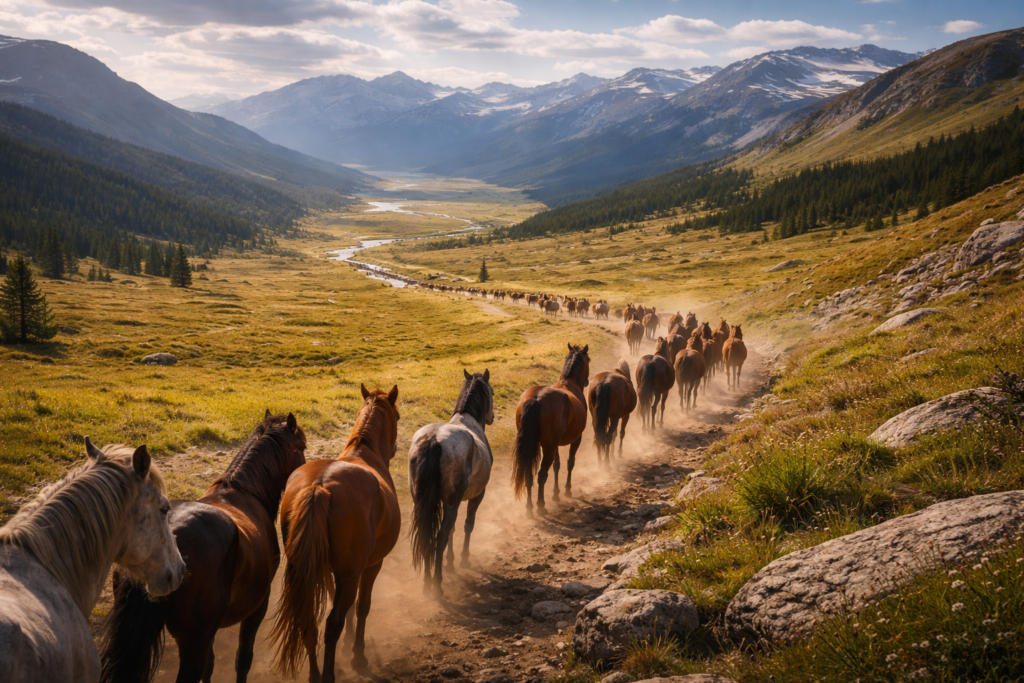
©Image PetsnPals/ChatGPT, Wild horses on an ancient trail

Long before borders, fences, or recorded history, horses began following a path that still shapes movement today. It crosses open grasslands, mountain edges, and climate zones that refuse to behave randomly. For centuries, scholars assumed these routes dissolved under pressure from humans and weather. They did not. Evidence keeps resurfacing in soil, bone, and behavior, suggesting the path survived everything meant to erase it. What remains unclear is why this particular route endured when so many others disappeared.

Read more