Spiders in the Sand? Scientists Find a Hidden Species Under California Beaches

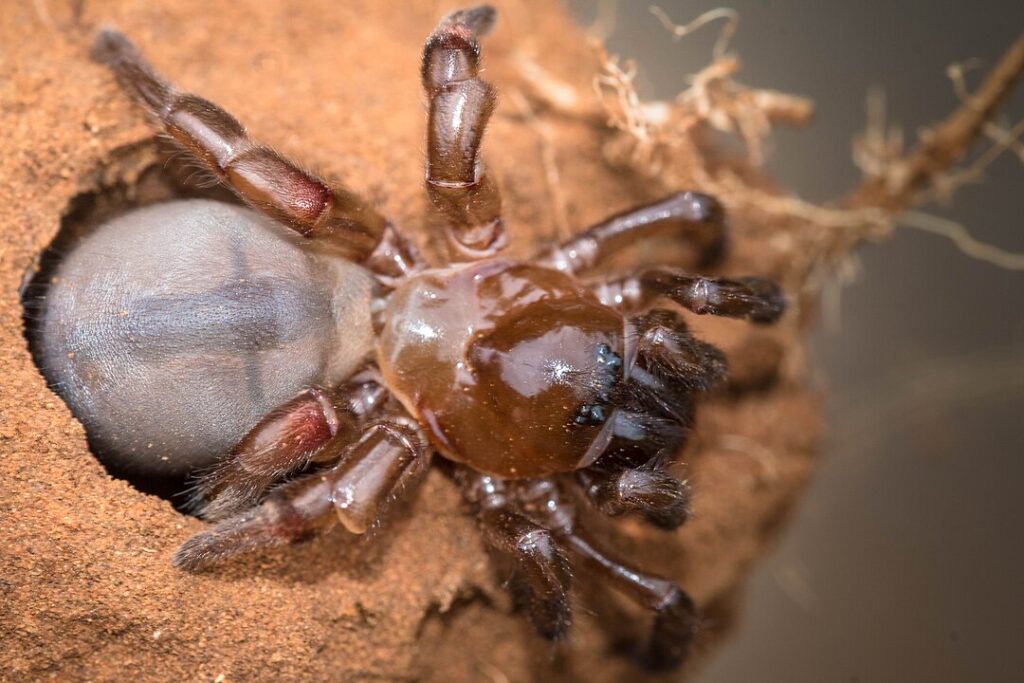
A newly identified spider dwelling in sand dunes.

©Image license via Wikimedia Commons/RudiSteenkamp

Researchers exploring the sandy coastal dune systems of California have uncovered a previously unknown species of trapdoor spider living beneath beach dunes, and the discovery highlights how much biodiversity can still remain hidden even in familiar places. The new species, Aptostichus Ramirezae, found by the team from University of California, Davis, appears almost identical in appearance to a known species yet genetically distinct, which shows the limits of surface-level identification. With its habitat threatened by erosion, development and sea-level rise the find is a call to action for dune preservation and deeper exploration of under-appreciated ecosystems.

Read more

If Bees Vanish, Hundreds of Foods Would Follow: Starting With These 15

Our diets depend on pollinators more than we realize.

©Image license via Canva

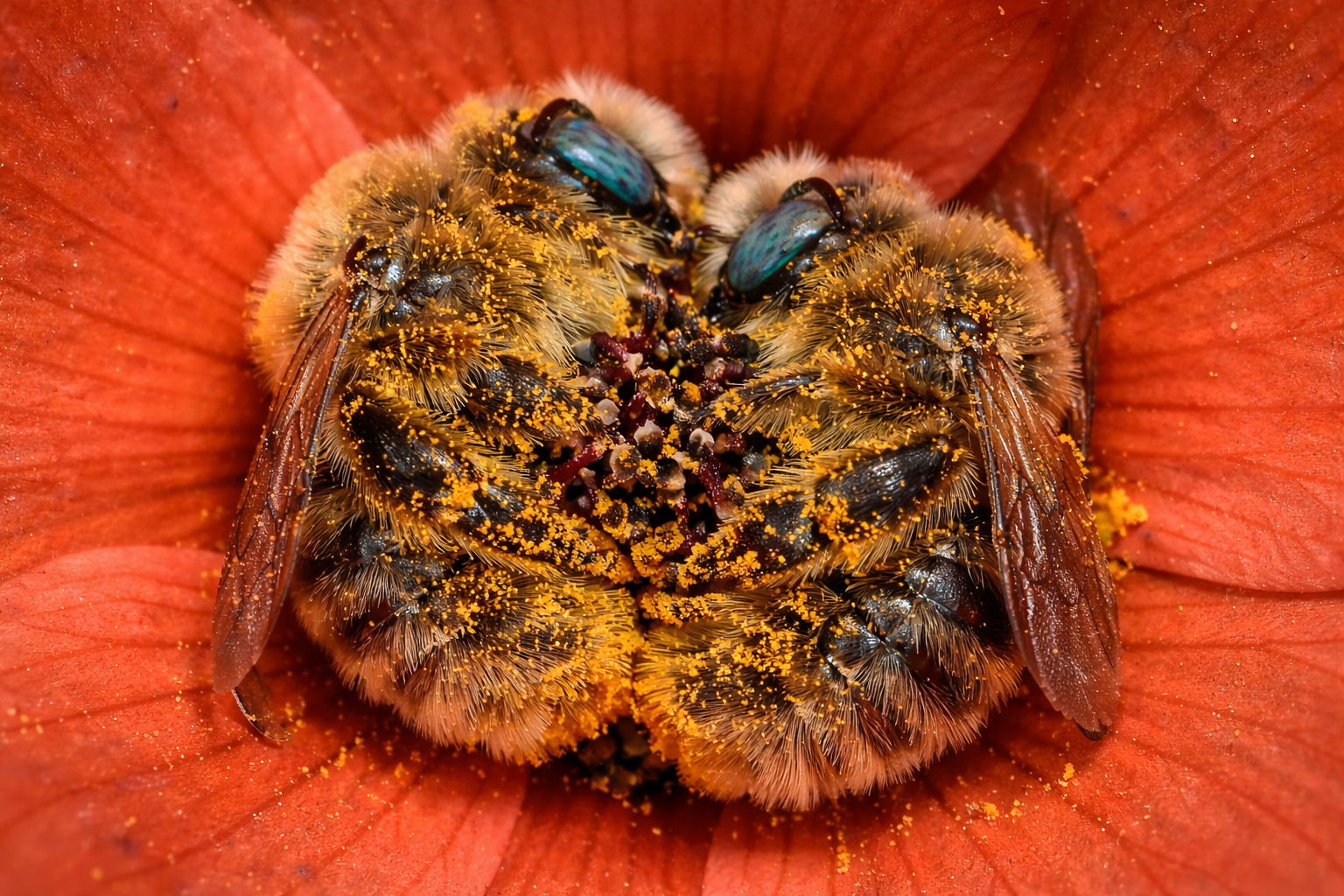
Bees are the quiet architects of our food supply, responsible for pollinating about one-third of everything humans eat. Without them, many fruits, nuts, and vegetables would struggle to reproduce, leading to widespread shortages and soaring prices. Their role isn’t just about honey or flowers—it’s about the invisible work that sustains global agriculture. According to the Food and Agriculture Organization (FAO), over 75 percent of the world’s crops rely on animal pollinators, most of them bees. If they disappeared, the ripple effect would be catastrophic, reshaping diets and economies around the world.

Read more

The Top 8 Plants To Attract the Most Butterflies

Transform your garden into a vibrant butterfly sanctuary naturally.

©Image license via Canva

Creating a butterfly haven in your yard requires more than randomly scattering colorful flowers and hoping for the best. Butterflies possess specific preferences shaped by millions of years of evolution, seeking particular plant species that provide both nectar for adults and host plants where females can lay eggs. Understanding these preferences transforms ordinary gardens into thriving butterfly habitats that support entire life cycles rather than merely offering temporary feeding stations. The most effective butterfly gardens incorporate plants that serve multiple functions throughout the season, providing continuous blooms from spring through fall when these delicate insects are most active. Strategic plant selection can dramatically increase butterfly diversity and abundance, turning your property into a living laboratory where you observe fascinating behaviors while supporting populations that face increasing pressures from habitat loss and climate change.

Read more

Highest Predator Success Rate on Earth Isn’t What You Think

The ancient sky beast we overlook is a perfect hunter.

©Image license via Canva

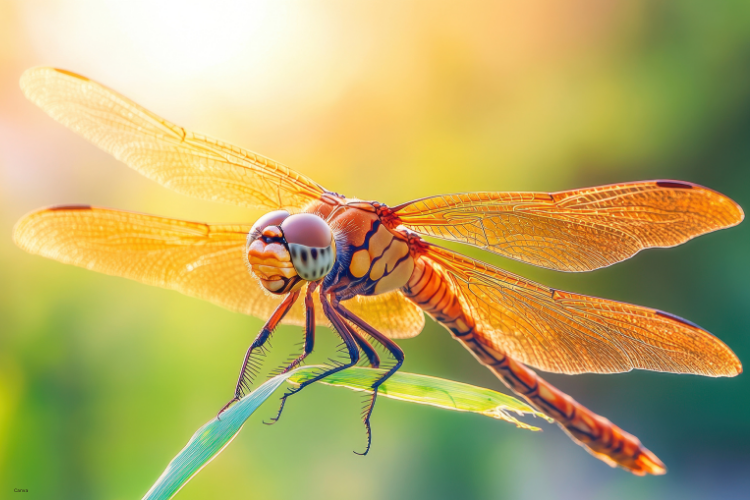
When most people picture the world’s deadliest hunters, they imagine lions on the savanna, sharks slicing through reefs, or wolves coordinating in packs. The truth sits in a place no one expects. The predator with the highest success rate on Earth is not a massive carnivore but an insect that looks like stained glass brought to life—the dragonfly.

What’s remarkable isn’t just their accuracy in the air, but the fact that this efficiency has roots stretching back hundreds of millions of years. Long before humans counted victories and failures, dragonflies perfected their aerial strike, and they’ve never really had to improve since.

Read more

Meet the Diabolical Beetle That Can Survive Being Run Over by a Car

This tiny insect makes titanium look fragile.

©Image license via Flickr/Treebeard

Nature has produced some remarkable survivors, but few creatures can claim to withstand the crushing force of a two-ton vehicle. The diabolical ironclad beetle lives up to its dramatic name with an almost supernatural ability to endure extreme compression.

While most insects would become nothing more than a stain on the pavement, this remarkable creature walks away from encounters that would flatten steel. Scientists have spent years trying to understand how something so small can be so incredibly tough.

Read more