Experts Warn, AI Could Be Messing With Our Reality

The line between truth and fiction grows thinner.
©Image license via Canva

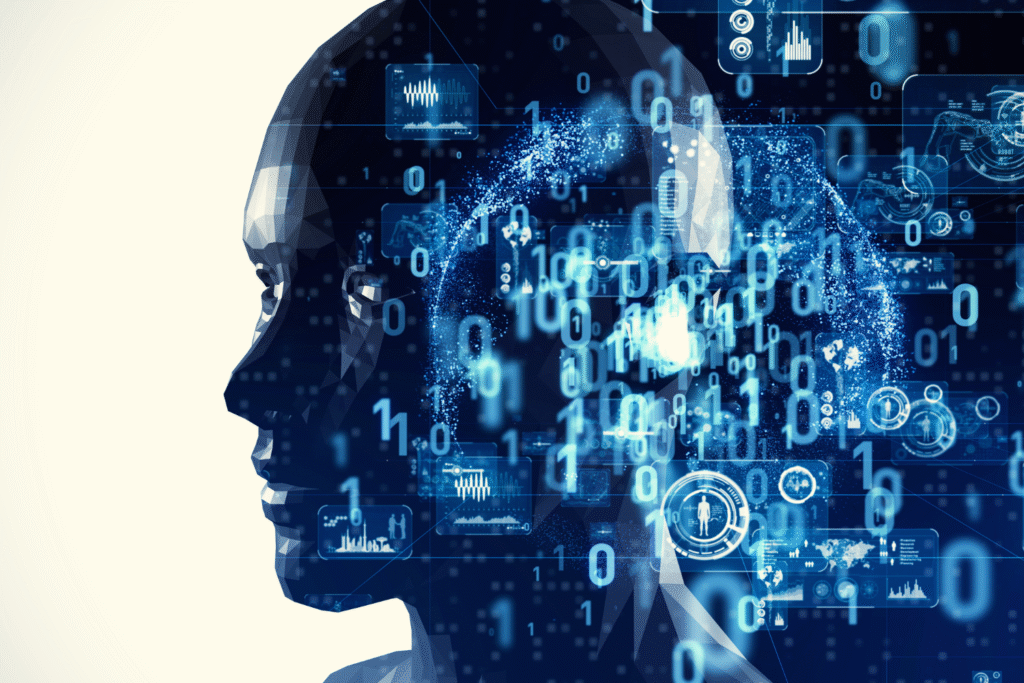
For most of human history, reality came with anchors. A photograph proved something happened. A voice recording captured what someone said. Written words carried the weight of authorship. Today those anchors are loosening. Machines can generate faces that never existed, voices that never spoke, and stories no human ever wrote. The results appear instantly and spread faster than verification can keep up. At first glance nothing seems unusual, yet something subtle has shifted beneath the surface of everyday information. The deeper question emerging is not whether artificial intelligence can fabricate convincing illusions, but what happens when those illusions begin blending seamlessly into daily life.

Read more

If the Internet Suddenly Failed, These 10 Nations Would Face Immediate Chaos

Some nations rely on the internet more than others.

©Image license via Canva

Most people experience the internet as convenience. Messages arrive instantly, payments move silently, and systems hum in the background without drawing attention. Yet beneath that convenience sits a fragile dependency that entire nations now rely on every hour of every day. Transportation, banking, emergency coordination, and government records all travel through the same digital pathways. When those pathways slow, disruption spreads quickly. When they disappear entirely, the consequences become harder to predict. Some countries have built layers of backup systems and redundancy. Others operate much closer to the edge, where the sudden loss of connectivity could trigger failures that cascade far beyond screens.

Read more

A Newly Unearthed Civilization Is Raising Questions About Human Origins

A discovery that unsettles established timelines.

©Image PetsnPals/AI generated image

For centuries, the timeline of human civilization has felt settled, mapped neatly across continents and eras. Yet beneath dense rainforest canopy, fragments are surfacing that refuse to fit that map. Structures appear too deliberate, tools too refined, symbols too organized for where they supposedly belong in history. Researchers examining the site are confronting a quiet but profound tension between what textbooks claim and what the ground is revealing. If the emerging evidence holds, it may not simply add a footnote to human origins. It could force a reconsideration of when complexity truly began, and who achieved it first.

Read more

The Stunning Purple Flower That Could Stop Your Heart in Minutes

A deadly toxin hides behind delicate petals.

©Image license via Canva

It begins with a color that feels almost royal, a deep violet bloom rising quietly along mountain trails and backyard fences. Nothing about its shape suggests danger. Nothing about its stillness hints at urgency. Yet beneath those folded petals lies a chemistry so ruthless that even brief contact can spiral into catastrophe. For centuries, this plant has blurred the line between ornament and weapon, admired in gardens while feared in whispers. Its reputation traveled through myth, medicine, and murder long before laboratories confirmed what folklore already suspected. The danger is not dramatic at first glance. That is precisely what makes it lethal.

Read more

Scientists Unearth 1.5 Million Year Old Bone Tools That Change Human History

What researchers found could alter the timeline of innovation.

©Image PetsnPals/AI generated image

Long before metal, before writing, before even the dominance of stone, something changed in the human story. Along the edge of an ancient African basin, fragments of bone lay buried for over a million years, carrying marks that are anything but accidental. At first glance they seem simple, almost ordinary. But under closer study, they suggest intention, repetition, and foresight. These are not the random remains of survival. They hint at a moment when our ancestors began shaping the world deliberately. If confirmed, this find could push the origins of human creativity far deeper into time than we once imagined.

Read more