Scientists Unearth 1.5 Million Year Old Bone Tools That Change Human History

What researchers found could alter the timeline of innovation.

©Image PetsnPals/AI generated image

Long before metal, before writing, before even the dominance of stone, something changed in the human story. Along the edge of an ancient African basin, fragments of bone lay buried for over a million years, carrying marks that are anything but accidental. At first glance they seem simple, almost ordinary. But under closer study, they suggest intention, repetition, and foresight. These are not the random remains of survival. They hint at a moment when our ancestors began shaping the world deliberately. If confirmed, this find could push the origins of human creativity far deeper into time than we once imagined.

Read more

Buried for Millennia, This Undisturbed Egyptian Tomb Hid a Surgical Secret

What archaeologists uncovered inside is raising new questions.

©Image PetsnPals/AI generated image

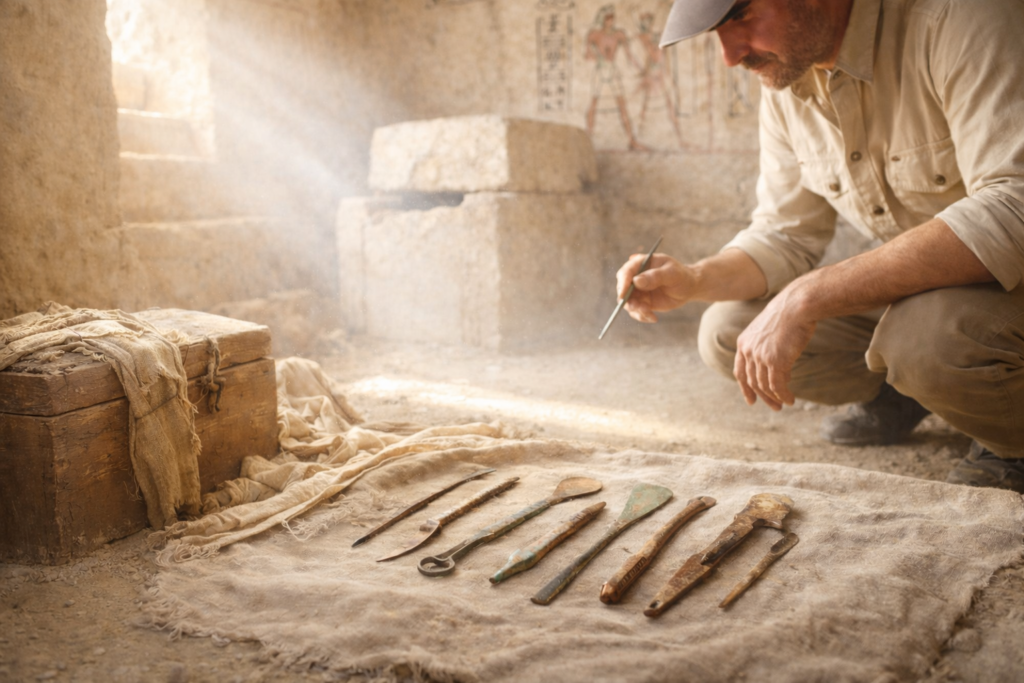
Beneath layers of sand and stone, a sealed chamber has surfaced with signs of a life devoted to healing. The walls whisper in symbols, the shelves hold instruments placed with care, and the space feels less like a simple burial and more like a preserved moment of practice. Archaeologists stepping inside encountered something rare: not just relics, but intention frozen in time. Whoever rested here was not an ordinary official. The arrangement suggests knowledge, skill, and reverence intertwined. What emerges from this tomb may change how we understand the origins of surgery and the status of healers in ancient Egypt.

Read more

NASA Simulation Just Mapped the Beginning of Earth’s End

Earth’s Lifespan May Be Shorter Than Expected.

©Image license via Canva

It does not explode. It does not freeze overnight. According to new planetary modelling, Earth’s ending is quieter than catastrophe films ever imagined. No single asteroid. No sudden solar flare. Instead, a gradual shift written into the physics of stars and atmospheres themselves. Researchers running advanced simulations have traced a future in which the balance that sustains forests, oceans, and breathable air begins to tilt. The change would unfold slowly, almost invisibly at first. Yet the implication is profound: the era of complex life on this planet has an expiration point, and the countdown is already built into the Sun.

Read more

What Lay Buried Beneath the Fields Stunned Archaeologists

Scotland’s Soil Gives Up a 3,000 Year Old Secret.

©Image license via Flickr/Merryjack

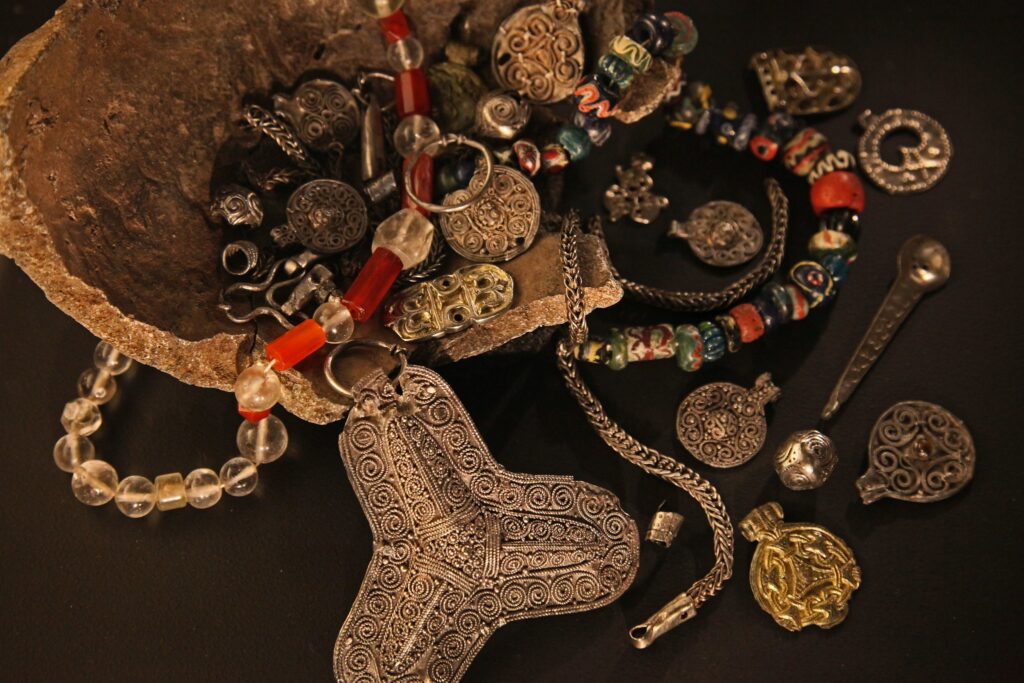
It was not glitter that caught the first glint of attention, but something subtler, a disturbance in earth that had not been touched for millennia. Beneath quiet ground in northern Scotland, a compact bundle lay folded into darkness, protected by soil and time. No monument marked it. No written record hinted at its existence. Yet whoever placed it there did so with intention, care, and perhaps urgency. Now uncovered, the discovery raises questions about wealth, power, and belief in a distant Bronze Age world. What compelled someone to bury such carefully arranged treasures and never return for them?

Read more

New Report Suggests Pluto Stole Its Beautiful Companion

A Gentle Collision That Changed Two Worlds

©Image license via Flickr/Orion Moon

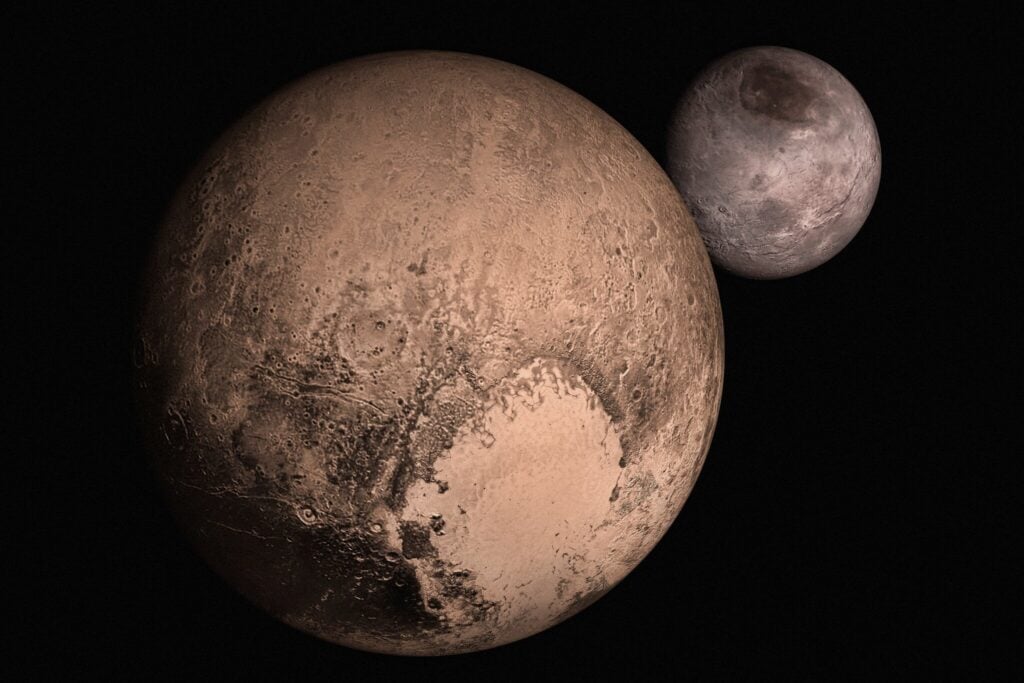
In the outer darkness beyond Neptune, two icy worlds share an orbit so precise it almost feels intentional. For decades, scientists assumed their bond began with a catastrophic smash that shattered and reshaped them. But new modeling suggests something far stranger. Instead of violent obliteration, the encounter may have been controlled, brief, and unexpectedly delicate. For a moment, the two bodies may have touched, lingered, and then separated without losing themselves entirely. That subtle interaction could explain why Pluto and its companion look less like debris and more like twins, locked together by a past far more intricate than we imagined.

Read more