The Persistent Legends of Civilizations That Vanished Without a Trace

Something about these lost worlds keeps resurfacing.

©Image PetsnPals/AI generated image

Stories about lost worlds have a way of resurfacing long after evidence should have buried them. Across bookshelves, documentaries, and late night internet rabbit holes, two names appear again and again, whispered like unfinished chapters in the story of human history. Entire continents are imagined beneath oceans, civilizations erased in moments yet somehow remembered in fragments of myth. Scientists have dismantled these ideas piece by piece, but the fascination refuses to fade. Each generation seems to rediscover the same question: what if the past still hides something enormous just out of reach? Whether dismissed as fantasy or pursued like hidden history, these legends continue to echo in ways few myths ever do.


Read more

Ancient Tablets Reveal a Language That Should Not Exist

Clay tablets reveal a language lost for millennia.

©Image license via Wikimedia Commons/Osama Shukir Muhammed Amin FRCP

Buried beneath the ruins of an ancient capital, a small collection of clay tablets waited in silence for thousands of years. When archaeologists uncovered them among the remains of a Hittite temple complex, the markings seemed familiar at first glance. Yet something about the words refused to fit known languages of the region. As specialists began studying the inscriptions more closely, they realized the tablets preserved a voice no historian had ever recorded. The discovery hints at a forgotten community whose language once echoed through rituals and ceremonies. Now those fragments of writing are reopening questions about culture, identity and memory in the ancient world.

Read more

A Growing Wildlife Mystery Is Unfolding Across the Planet

Scientists are tracking unexpected animal movements across multiple continents.

©Image license via Canva

Across mountains, forests, and oceans, animals and plants are beginning to vanish from places they have occupied for centuries. In many cases nothing obvious appears to have changed at first glance. The landscape looks familiar, the rivers still flow, and the forests still stand. Yet subtle shifts in temperature, rainfall, and seasonal timing are quietly reshaping the boundaries where life can survive. Scientists tracking species across the globe are discovering that many organisms are moving, shrinking their ranges, or disappearing entirely as climates change faster than ecosystems can adjust. These early signals reveal a deeper transformation unfolding across habitats once thought stable.

Read more

Scientists Say the World’s Glaciers Are Approaching a Point of No Return and Why That Matters

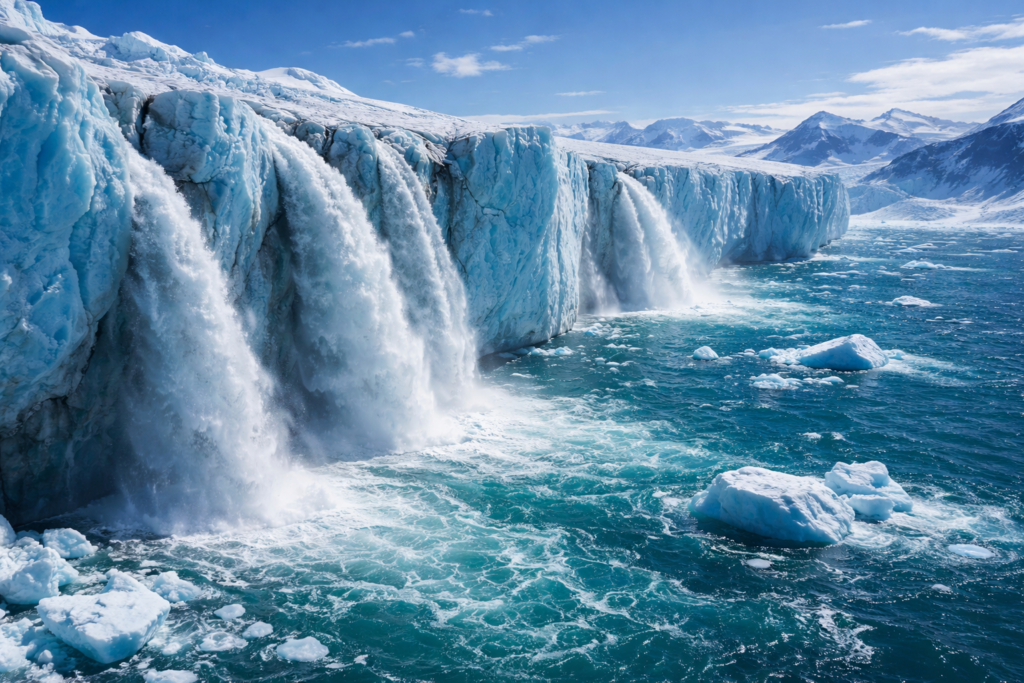
Melting ice is already rewriting the world we know.

©Image PetsnPals/AI generated image

Something unsettling is unfolding across the planet’s frozen landscapes, and scientists say the warning signs are becoming harder to ignore. From the towering ice fields of Alaska to the ancient glaciers of the Himalayas, researchers are documenting a shift that could reshape coastlines, freshwater supplies, and entire ecosystems. What makes the discovery more troubling is that the pattern persists even under scenarios where global warming slows. The findings suggest that a large share of the world’s glaciers may already be locked into a future scientists once hoped to avoid, raising urgent questions about how much ice the planet is destined to lose.

Read more

A Disturbing Discovery Near Cell Towers Is Raising New Questions

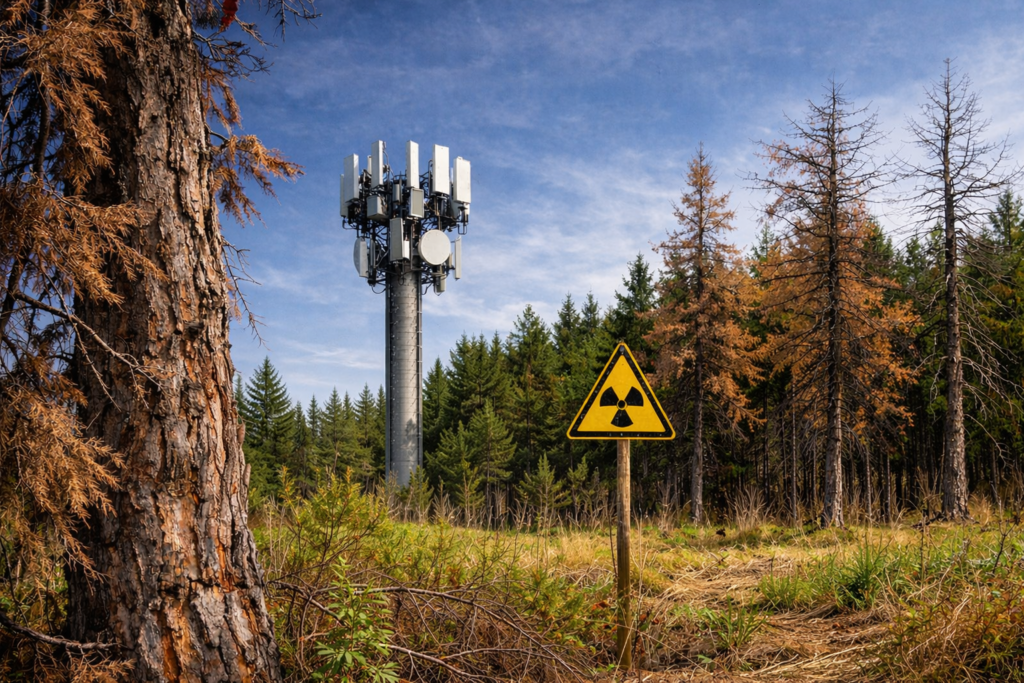
Some trees fade while signals quietly fill the air.

©Image PetsnPals/AI generated image

Walk down certain streets and the pattern can feel oddly precise. One row of trees looks healthy and full, while another nearby shows thinning leaves or browning branches. In several towns, the dividing line seems to trace back to something unexpected: the nearest communication tower. Researchers have begun examining whether long term exposure to radio frequency signals could play some role in stressing urban trees. The evidence remains incomplete, and many other environmental factors could be involved. Still, the pattern has drawn enough attention that scientists are taking a closer look. What they are finding so far raises intriguing questions about how modern infrastructure quietly intersects with the natural world.

Read more