NASA Simulation Just Mapped the Beginning of Earth’s End

Earth’s Lifespan May Be Shorter Than Expected.
©Image license via Canva

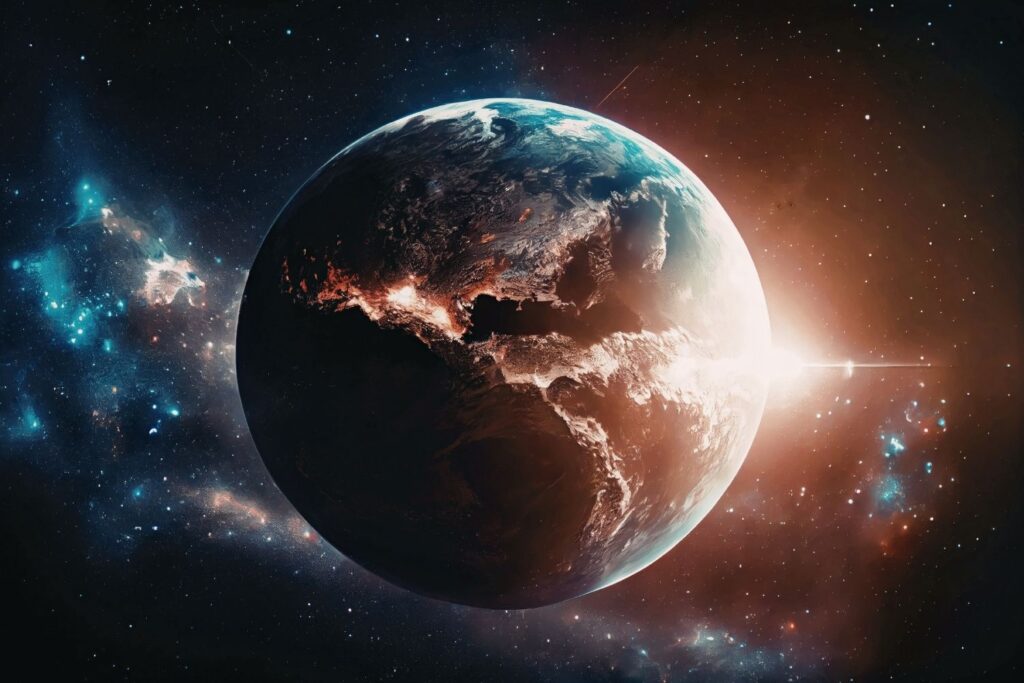
It does not explode. It does not freeze overnight. According to new planetary modelling, Earth’s ending is quieter than catastrophe films ever imagined. No single asteroid. No sudden solar flare. Instead, a gradual shift written into the physics of stars and atmospheres themselves. Researchers running advanced simulations have traced a future in which the balance that sustains forests, oceans, and breathable air begins to tilt. The change would unfold slowly, almost invisibly at first. Yet the implication is profound: the era of complex life on this planet has an expiration point, and the countdown is already built into the Sun.
Read more

What Lay Buried Beneath the Fields Stunned Archaeologists

Scotland’s Soil Gives Up a 3,000 Year Old Secret.

©Image license via Flickr/Merryjack

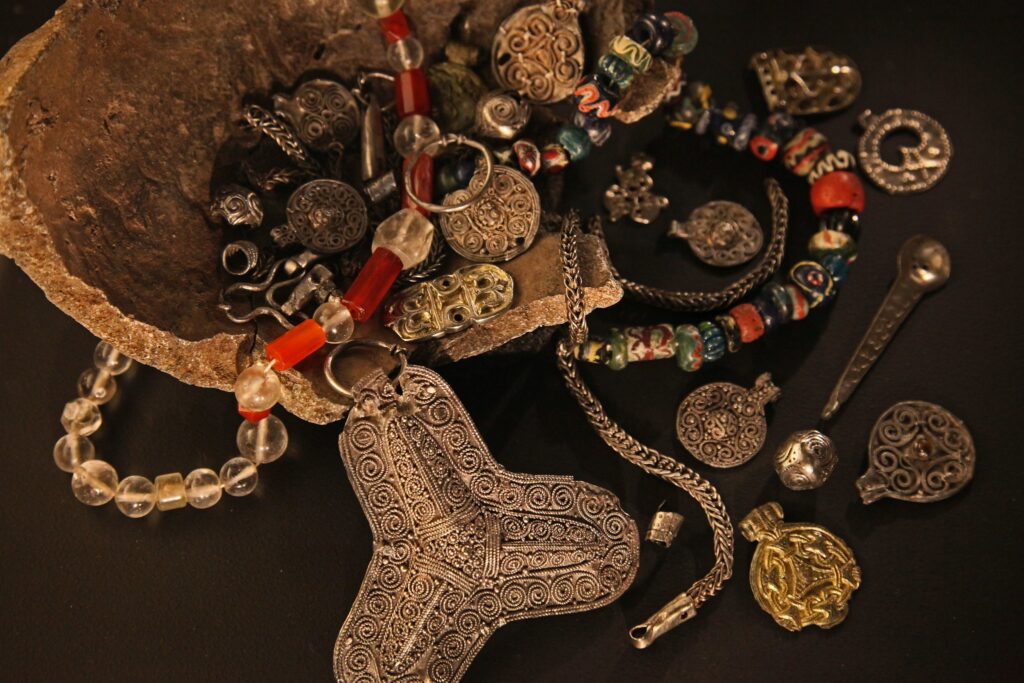
It was not glitter that caught the first glint of attention, but something subtler, a disturbance in earth that had not been touched for millennia. Beneath quiet ground in northern Scotland, a compact bundle lay folded into darkness, protected by soil and time. No monument marked it. No written record hinted at its existence. Yet whoever placed it there did so with intention, care, and perhaps urgency. Now uncovered, the discovery raises questions about wealth, power, and belief in a distant Bronze Age world. What compelled someone to bury such carefully arranged treasures and never return for them?

Read more

New Report Suggests Pluto Stole Its Beautiful Companion

A Gentle Collision That Changed Two Worlds

©Image license via Flickr/Orion Moon

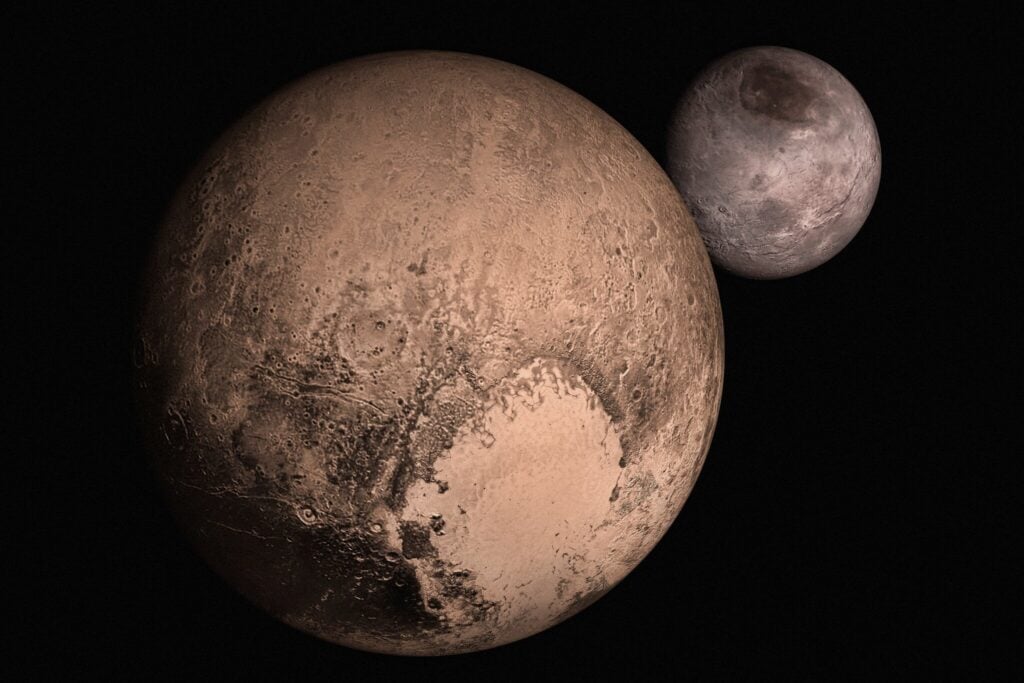
In the outer darkness beyond Neptune, two icy worlds share an orbit so precise it almost feels intentional. For decades, scientists assumed their bond began with a catastrophic smash that shattered and reshaped them. But new modeling suggests something far stranger. Instead of violent obliteration, the encounter may have been controlled, brief, and unexpectedly delicate. For a moment, the two bodies may have touched, lingered, and then separated without losing themselves entirely. That subtle interaction could explain why Pluto and its companion look less like debris and more like twins, locked together by a past far more intricate than we imagined.

Read more

Locked in Ice for 30,000 Years, Ancient Viruses Are Now Reappearing

The Ice Is Not as Silent as It Looks

©Image license via Flickr/Asia Society

For thousands of years, the Arctic has acted like a vault no one could open. Beneath its frozen ground lie layers of soil untouched by sunlight, sealed away from air, pressure, and time itself. But that seal is weakening. As temperatures climb and ancient permafrost softens, scientists are beginning to glimpse what has been preserved below the surface. It is not just bones or plant remains. It is something far smaller, far older, and far less understood. What is emerging from the thaw is forcing researchers to reconsider what the frozen Earth has been holding in suspension all along.

Read more

Buried in the Desert for 500 Years, and Possibly Loaded With Gold

A Ghost Ship Waited Beneath the Sand for Centuries

©Image license via Canva

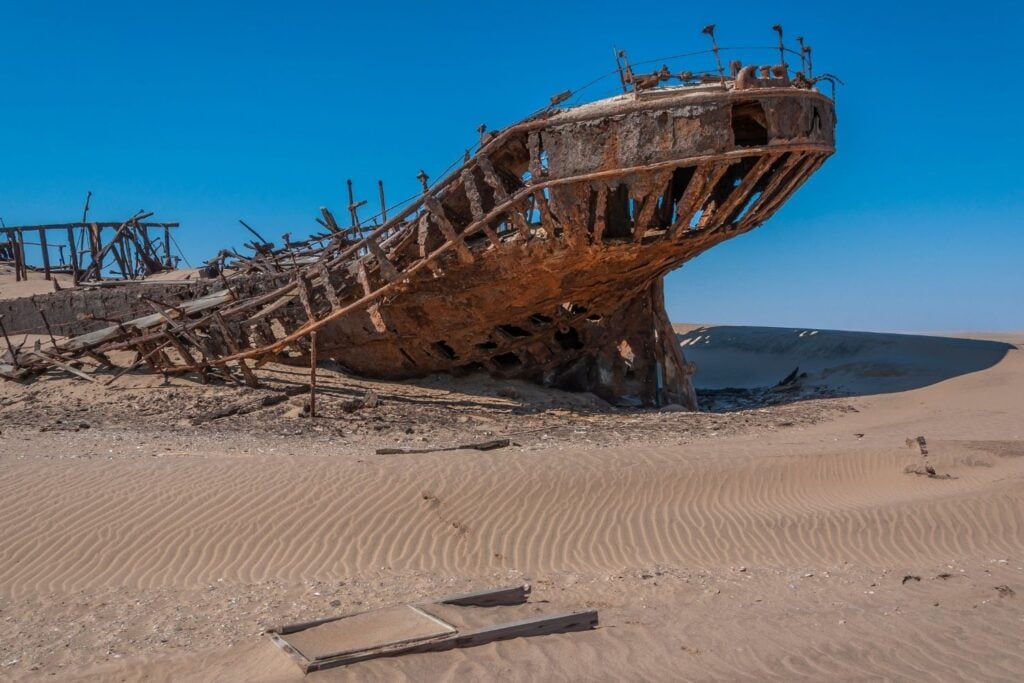
It sounds like the opening scene of a legend. A ship vanishes at sea during the Age of Discovery, its cargo rumored to glitter with fortune, its crew erased from record. Then, centuries later, in one of the driest places on Earth, the past breaks the surface. Beneath wind-swept desert and hardened sediment, timbers, metal, and treasure emerge as if time miscalculated. What was once swallowed by ocean and sand now forces historians to confront a frozen moment from half a millennium ago. The question is no longer whether the ship existed. It is what else has been waiting, perfectly preserved, for this exact discovery.

Read more