Scientists Found a New Life Form That No Longer Exists

A towering presence that left no heirs.
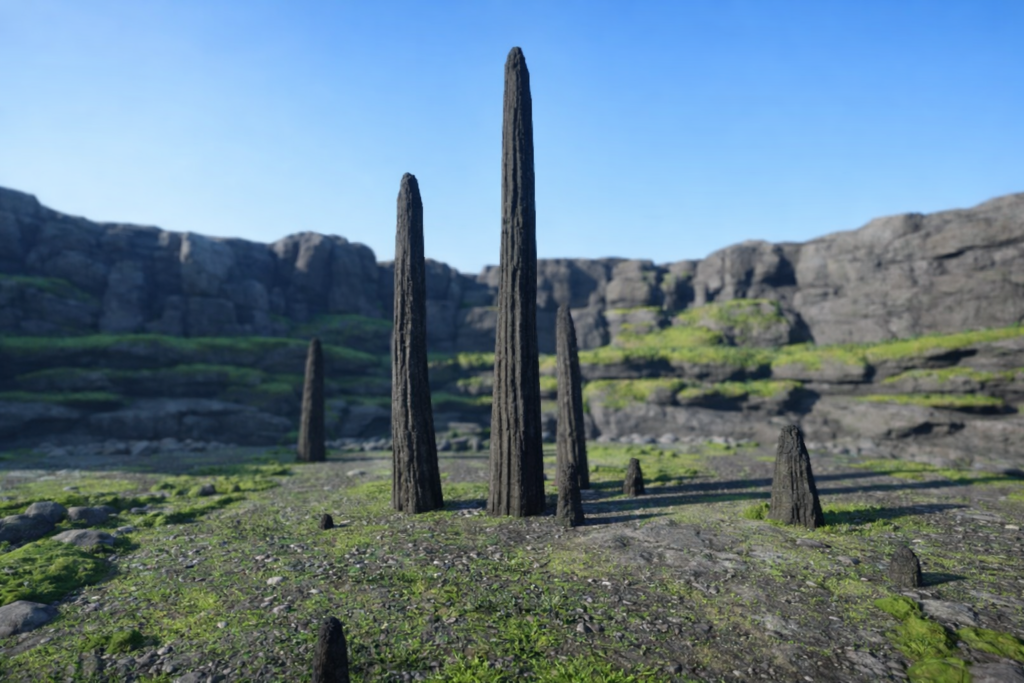
©Image license via PetsnPals/ChatGPT, Prototaxites

For more than a century, strange fossil trunks puzzled scientists, towering through ancient rocks without a clear identity. They appeared before trees, before forests, before familiar ecosystems existed. New analysis reopened that mystery, revealing something neither plant nor fungus as once defined. The stakes reach beyond classification. If this organism rewrites early life on land, it reshapes when complexity arose and how Earth’s surface first transformed into habitable ground and forces scientists to reconsider the tempo of evolution itself globally.
Read more

Something Vast and Industrial Was Buried for Centuries in the Nile Delta

The ground concealed an economy hiding in plain sight.

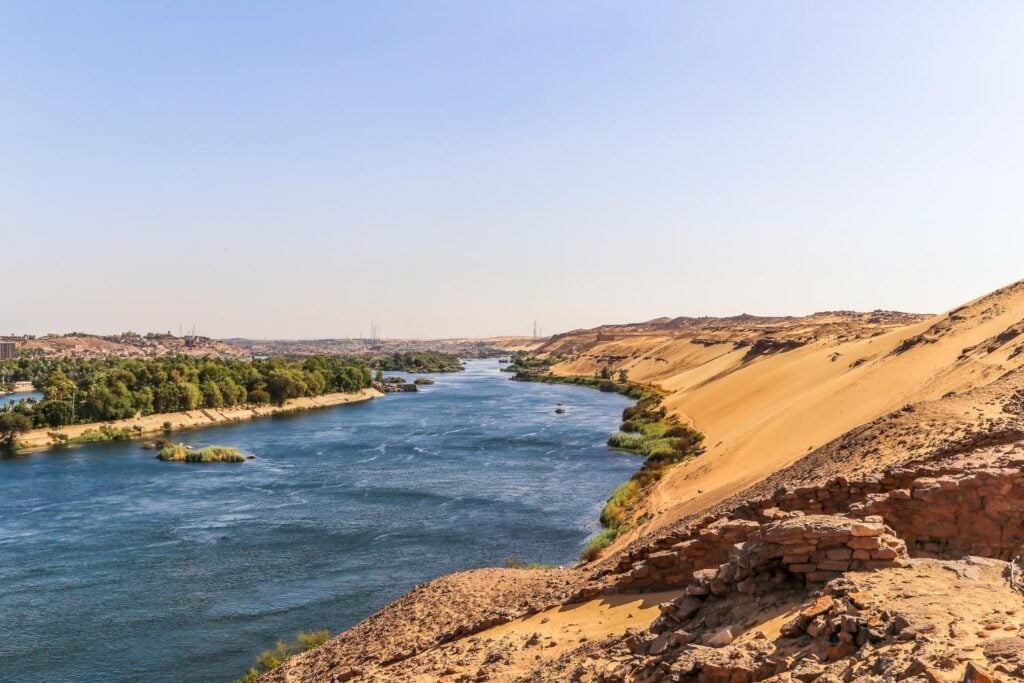
©Image license via Canva

For decades, this stretch of the western Nile Delta looked like little more than layered farmland and scattered ruins. Archaeologists expected modest domestic remains, perhaps a few walls, maybe a cemetery. Instead, excavation began exposing aligned foundations, industrial debris, and burial grounds woven together. The pattern felt wrong for a village. Each trench widened the unease. The scale kept growing, and so did the implications. What lay beneath was not incidental occupation, but something organized, productive, and deeply embedded in Roman Egypt’s economic machinery.

Read more

A Sudden Loss in the High Arctic Is Raising New Alarms

What scientists are seeing was not expected to happen this fast.

©Image license via Canva

In one of the planet’s most remote regions, something shifted quietly and then refused to stop. Instruments began recording changes that did not match seasonal patterns or long term models. The loss appeared suddenly, unfolded over weeks, and left researchers comparing notes instead of drawing conclusions. What vanished was not supposed to move this quickly, especially here. The High Arctic is often treated as slow, buffered, and predictable. Recent observations challenge that comfort. The alarms being raised are not about a single event, but about what this pace suggests may already be underway beyond the reach of easy explanation.

Read more

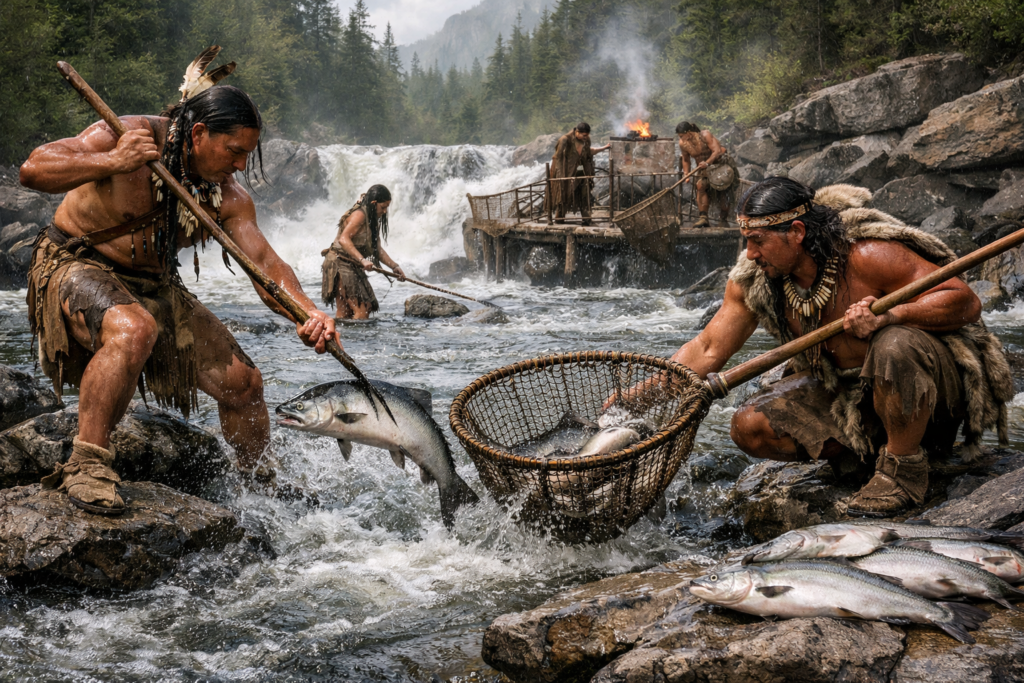
Long Before Modern Ecology, Pacific Northwest Tribes Solved a Salmon Problem

Their solution worked long before science named it.

©Image license via PetsnPals/ChatGPT, Illustration Indigenous People Fishing for Salmon

Salmon once moved through Pacific Northwest rivers in numbers almost impossible to imagine today. Entire cultures depended on their return, yet overharvest or mismanagement could have collapsed food systems long before colonial contact. Instead, Indigenous nations developed systems that kept salmon runs resilient across centuries of climate shifts and population changes. The methods were practical, enforced, and deeply social, but rarely framed as science until recently. As modern fisheries struggle, researchers are looking backward with new urgency, realizing this was not accidental success.

Read more

Space Junk Crisis Is Out of Control Starting With Shattering of Russian Satellite

One satellite breakup exposed how fragile orbit has become.

©Image license via PetsnPals/ChatGPT, Satellite Explosion

Earth’s orbit once seemed resilient, large enough to absorb isolated mistakes. That assumption collapsed after a single destructive event sent debris racing through one of the most crowded regions above the planet. What followed revealed how dependent modern life has become on space based systems that cannot be easily protected or repaired. The danger is not theoretical. It now moves overhead every ninety minutes. One shattered object changed how agencies calculate risk, forcing a reckoning with consequences that cannot be undone or quickly contained.

Read more