Scientists Warn a Polar Vortex Collapse Could Change Our Climate Forever

A tipping point may shift climate patterns worldwide.
©Image license via Canva

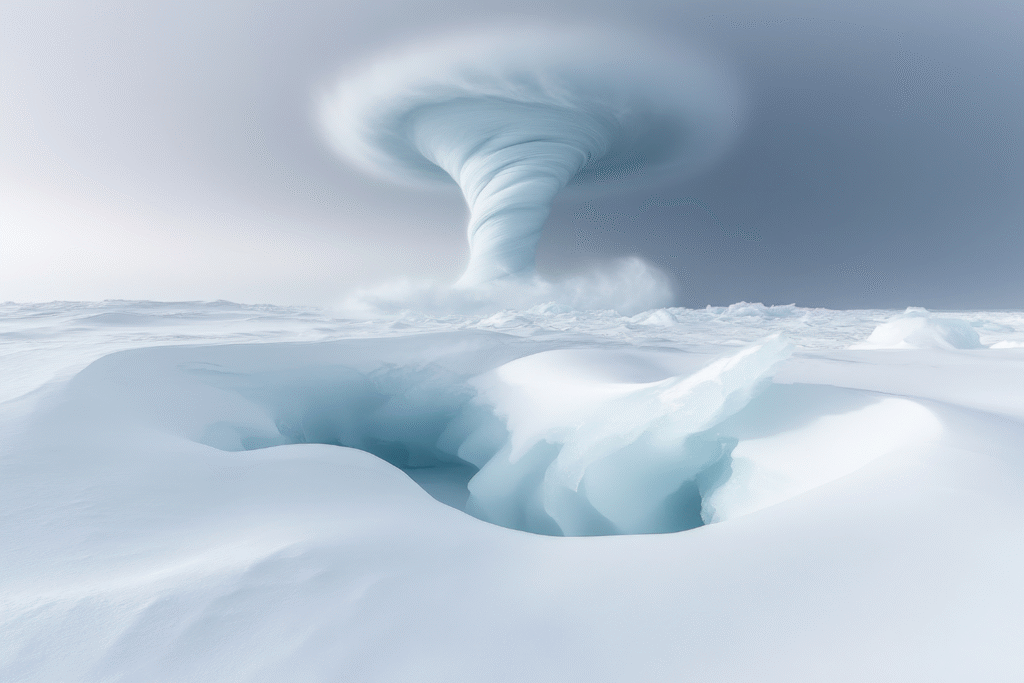
High above the Arctic, a vast swirl of freezing air called the polar vortex has always kept the planet’s climate in balance. But scientists are warning that this icy guardian may be losing its grip. As the Arctic warms faster than the rest of the world, the vortex is becoming unstable and unpredictable. Its collapse could reshape weather patterns for decades, leading to brutal cold in some regions and unexpected warmth in others. Researchers say this isn’t just about winter storms anymore, it’s about a major shift that could permanently change Earth’s climate rhythm.

Read more

A Major U.S. Volcano Is Showing Disturbing Signs of Eruption

Mount Spurr’s awakening could spell serious trouble ahead.

©Image license via Picryl

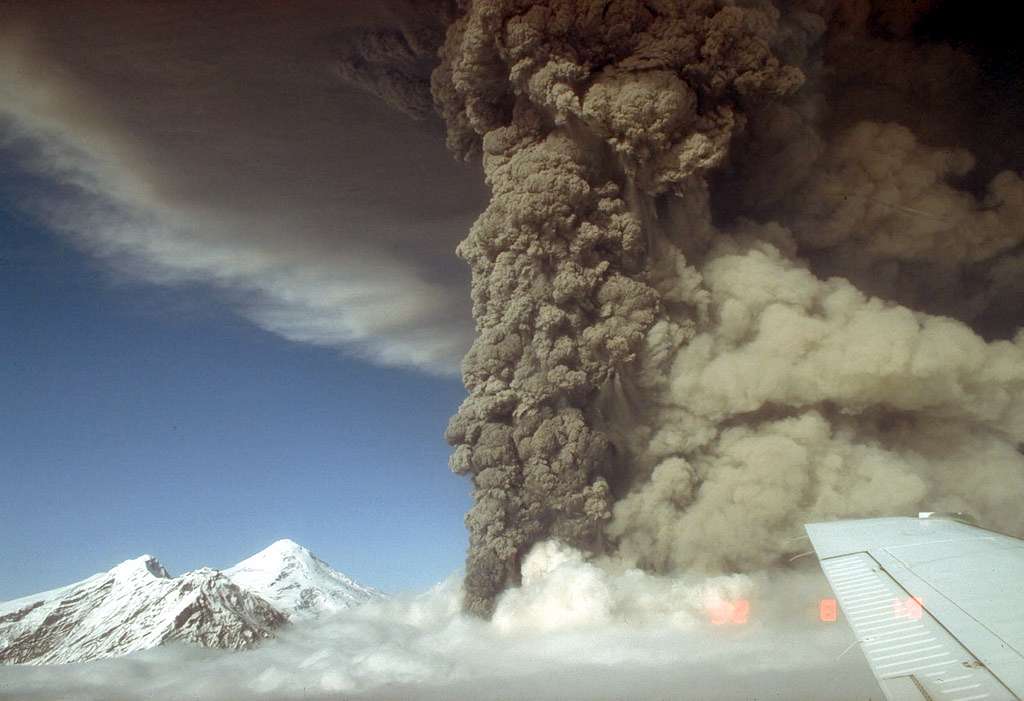
A major Alaskan volcano, Mount Spurr, has begun displaying activity that’s raising alarms among scientists. Roughly 80 miles west of Anchorage, this snow-covered giant is now rumbling with increased seismic tremors, venting gas, and swelling at its summit. The Alaska Volcano Observatory has elevated its alert level, warning that magma could be moving upward beneath the mountain. Though eruptions are unpredictable, the patterns forming beneath Mount Spurr mirror the pre-eruption signals seen in 1992. Experts stress that this isn’t panic territory—but the signs are unmistakable. The mountain that sleeps may not be resting much longer.

Read more

Your Nose Might Know You’re Dying Before Your Brain Does

The body’s scent may reveal death before thought.

©Image license via Canva

Scientists are uncovering an eerie but fascinating truth—our sense of smell may warn of death long before the mind understands what’s happening. Research shows that the ability to detect and identify scents is tightly connected to survival and overall health. As the body weakens, smell fades, and chemical changes emerge that quietly signal internal decline. This isn’t superstition; it’s biology. The human body, through scent, appears to announce its fading vitality before the brain fully recognizes it. The nose, ancient and instinctual, may sense the end approaching with quiet precision.

Read more

A Wall of Water 1,700 Feet High Wiped Out an Alaskan Bay

A record-breaking wave erased an entire landscape.

©Image license via Canva

In 1958, deep within the remote wilds of Alaska, one of the most violent natural events ever recorded unfolded in seconds. A massive earthquake along the Fairweather Fault dislodged an enormous slab of rock that crashed into Lituya Bay, creating a wave taller than any skyscraper on Earth. That wave, estimated at 1,720 feet high, obliterated everything in its path—trees, soil, and even sections of mountain. The story sounds almost mythical, but it’s entirely true. Decades later, scientists continue to study this staggering event to understand how land, water, and gravity created the world’s tallest tsunami.

Read more

Pittsburgh Zoo Takes a Brave Step Toward Better Elephant Care

A bold plan transforms elephant welfare in Pittsburgh.

©Image license via Canva

The Pittsburgh Zoo & Aquarium is embarking on a far-reaching overhaul of how it cares for its African elephants, marking one of the most significant changes in its history. In partnership with the Association of Zoos & Aquariums and wildlife experts, the zoo has announced that two of its female elephants, Victoria and Zuri, will move from the main campus to the nearby International Conservation Center in Somerset County. This carefully planned shift aims to improve herd dynamics, provide more space, and strengthen the zoo’s contribution to elephant conservation globally.

Read more