Something the Size of Chicago Is Slowly Lifting the Ground at Yellowstone

A hidden force beneath the park keeps rising.
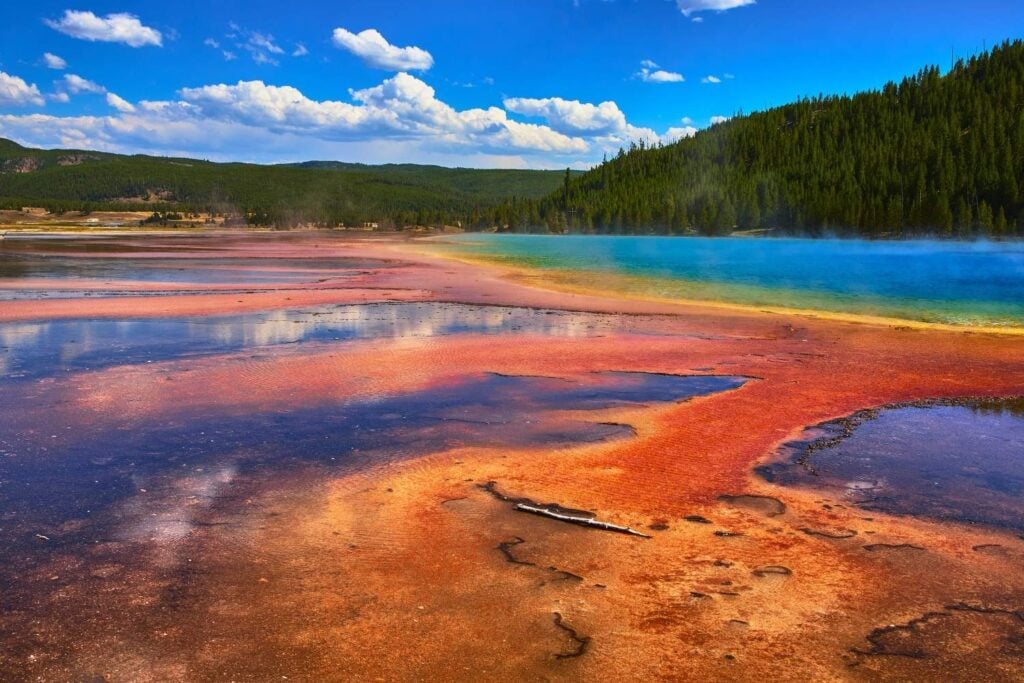
©Image license via Canva

Yellowstone’s landscape looks calm, but instruments beneath its forests tell a different story. Over recent years, parts of the park have been rising steadily, bending roads, shifting geyser basins, and alarming scientists watching from afar. The movement is slow, measured in inches, yet the scale is enormous, covering an area comparable to a major American city. Researchers know the ground is lifting, but what exactly is pushing upward remains uncertain. The stakes are high, because Yellowstone’s past proves that small changes underground can precede dramatic surface consequences.

Read more

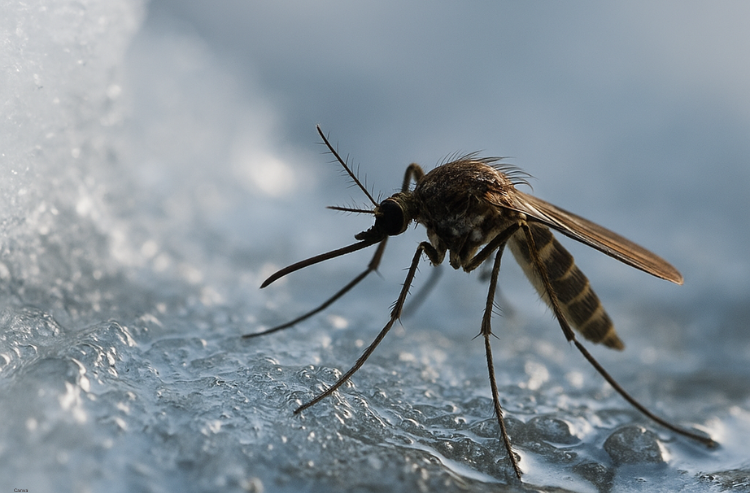
Why Iceland’s First Ever Mosquito Sightings are a Warning to Scientists

The insects themselves matter less than what allowed them in.

©Image Petsnpals/ChatGpt

The insects themselves matter less than what allowed them in.

For decades, Iceland stood apart as a rare exception, a place mosquitoes could not survive. That assumption has now cracked. Recent sightings suggest something fundamental has shifted, not suddenly, but enough to cross a line scientists long considered firm. The concern is not about itchy bites or summer nuisance. It is about temperature thresholds, breeding cycles, and what else might now be able to follow. Researchers are asking why this happened here, and why now, and what it signals next.

Read more

Sixteen Mini-Neptune Planets Show Something Astronomers Did Not Expect

Sixteen small worlds just broke the neat rules.

©Image license via Canva

Mini Neptunes should have been the easy middle children of exoplanets, bigger than Earth, smaller than Neptune, predictable in bulk and behavior. Then a set of sixteen worlds started misbehaving. Their spectra refused to line up, their densities hinted at hidden interiors, and their atmospheres looked less like thick blankets and more like scraps. Astronomers using new space based tools can now see what older telescopes blurred. The unsettling part is what these patterns imply about planet birth across space.

Read more

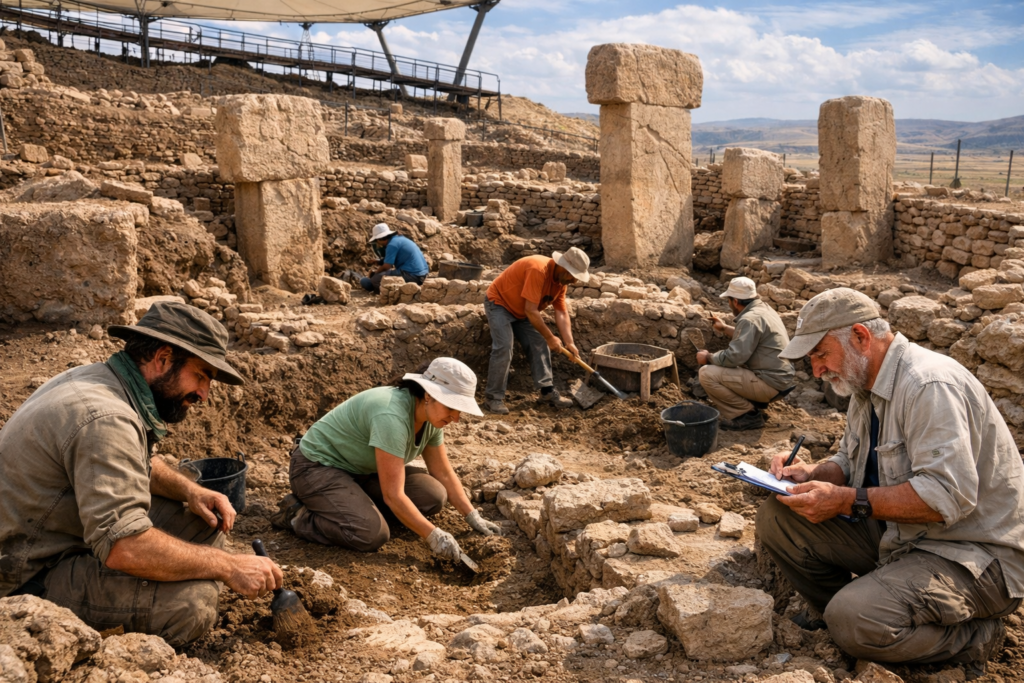
Archaeologists Keep Uncovering Something Unexpected at an Ancient Site in Turkey

Each excavation layer raises a more troubling question.

©Image PetsnPals/ChatGPT

In southeastern Turkey, archaeologists excavating a windswept limestone ridge keep encountering evidence that does not fit older narratives. The site sits in Şanlıurfa Province, within the Taş Tepeler region of Upper Mesopotamia, and dates to the Pre Pottery Neolithic, roughly 9600 to 8200 BCE. What began as scattered monumental stones has revealed something more complex. Large circular spaces, carved human heads, and statues point toward organized gatherings long before farming villages took hold. Each season sharpens the tension between what was expected and what the stones insist on showing.

Read more

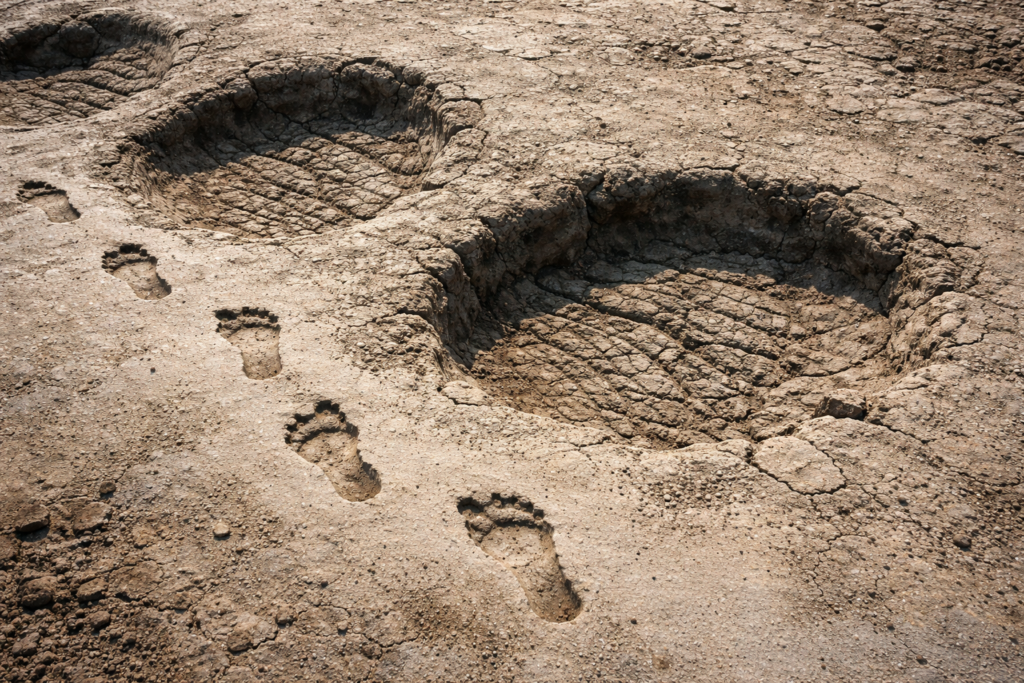
Rediscovered Footprints in New Mexico Show Children Walking Beside Animals They Shouldn’t Have

The ground beneath us keeps changing history.

©Image license via PetsnPals/ChatGPT, Fossilized Footprints

In a remote stretch of southern New Mexico, ancient footprints are forcing scientists to rethink what daily life looked like during the last Ice Age. Preserved in layers of dried lakebed sediment, the tracks show small children moving across the landscape alongside some of the largest animals ever to roam North America. The discovery raises difficult questions about survival, risk, and family life in a world dominated by megafauna. What these prints capture is not a hunt or a disaster, but something quieter and more unsettling.

Read more