The Overlooked Indigenous System That Quietly Informed American Democracy

Old ideas are unsettling modern political narratives.
©Image PetsnPals/AI

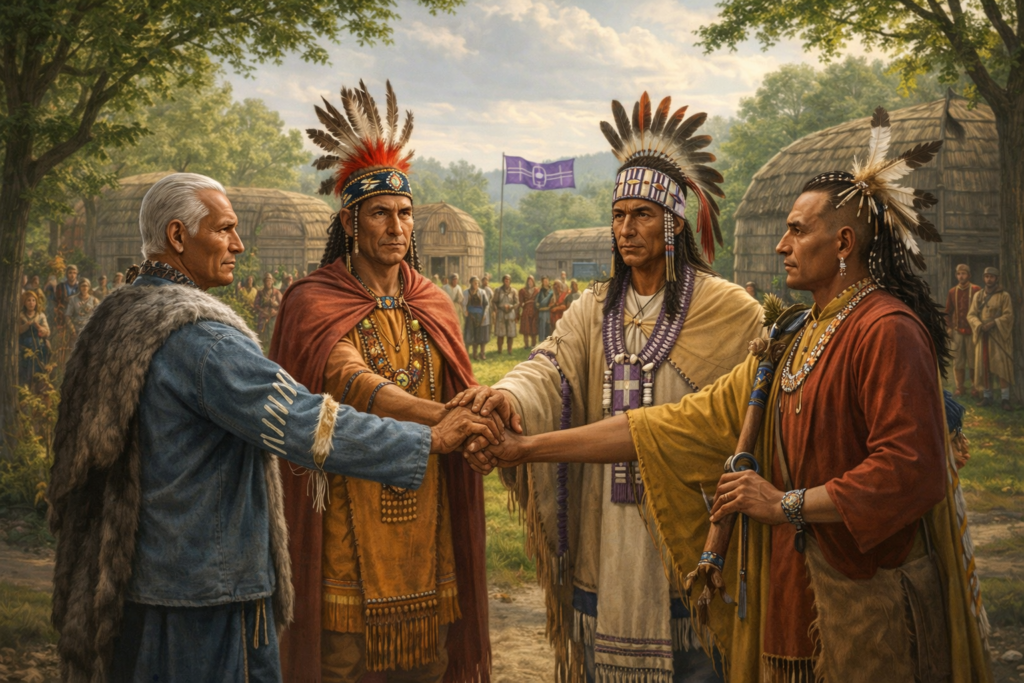
For generations, the origins of American democracy were framed almost entirely through European political theory. Recently, historians have returned to records from colonial North America with fresh questions. They are reexamining how Indigenous governance systems, particularly those of the Haudenosaunee Confederacy, also known as the Iroquois Confederacy, may have shaped early American political thinking. This reassessment challenges familiar civic stories taught in schools and echoed in public memory. The stakes are not symbolic. They reshape how democratic development is understood, who is credited, and how cultural exchange shaped the foundations of the United States.
Read more

A Look at Hoodoos That Continues to Baffle Tourists

These places look engineered, yet geology insists otherwise.

©Image via Canva

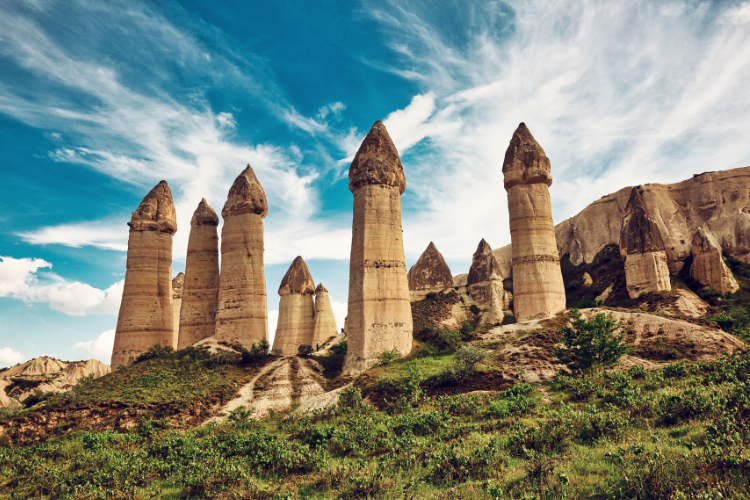
Across continents, certain rock landscapes stop visitors mid step. Phones rise, conversations pause, and the same question surfaces in different languages. How did this happen naturally. Hoodoos disrupt expectations because erosion rarely looks intentional. At some sites, the density overwhelms. At others, isolation or scale feels wrong. Bryce Canyon is the reference point, but it is not alone. From deserts to high plateaus, these formations challenge intuition by presenting balance, repetition, and structure where people expect randomness, collapse, and disorder.

Read more

Archaeologists May Have Found Ireland’s Largest Prehistoric Settlement Yet

What lies beneath the Boyne is unsettling.

©Image license via PetsnPals/ChatGPT, Brú na Bóinne

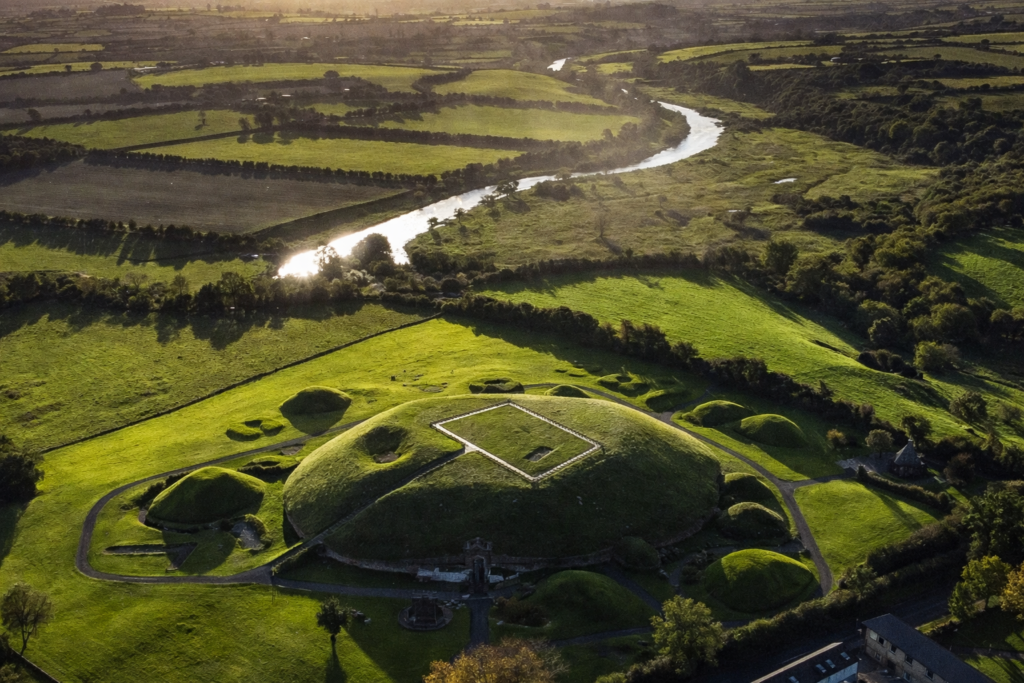
Archaeologists working farmland in County Meath did not expect to uncover a settlement on this scale. What began as routine geophysical surveys near the River Boyne revealed dense, overlapping signals stretching far beyond isolated habitation. The location sits just two to three kilometers from Newgrange, Knowth, and Dowth, yet outside their protected cores. Early findings suggest permanent domestic life, not ritual spillover. The stakes are high. If confirmed, this site forces a reckoning with how many people lived here, how they organized space, and how complex everyday life really was in prehistoric Ireland.

Read more

China Accidentally Altered Its Rainfall After Planting Billions of Trees

The atmosphere noticed what policy did first.

©Image via Canva

China’s tree planting push was sold as a straightforward fix, stop erosion, slow deserts, store carbon. Billions of seedlings later, satellite maps show greener land, but climate records show something else shifting too. Rainfall patterns began changing in ways that did not match older expectations. Some places saw wetter seasons, others felt drying pressure, and the timing of storms started to look different. The unsettling part is scale. When land changes this much, the sky may respond.

Read more

How Human Choices Are Rapidly Redrawing the Natural World

These decisions are reshaping ecosystems faster than expected.

©Image via Canva

Human activity is now altering Earth’s ecosystems at a pace that rivals natural forces once measured across millennia. Decisions made in boardrooms, farms, and city councils are reshaping forests, oceans, and coastlines in ways scientists struggle to model. The stakes are rising because many of these changes are happening simultaneously, stacking pressures on systems built for stability. What looks incremental on a map often masks irreversible shifts on the ground, where species lose footing, climates tip, and landscapes quietly cross thresholds that cannot be undone.

Read more