Ocean Life Is Collapsing, and Scientists Say We’re Out of Time

Scientists warn marine ecosystems are reaching their limits.

©Image license via Canva

The ocean has long been Earth’s greatest buffer, absorbing heat, carbon, and waste with quiet endurance. But new research suggests that this balance is unraveling faster than expected. Entire ecosystems are changing as marine life struggles to adapt to rising temperatures, acidifying waters, and oxygen loss. What was once resilient is now fragile, what seemed boundless now looks finite. Scientists are calling it an unfolding planetary crisis, one that touches every coastline, fishery, and food chain on Earth. If the oceans fail, much of the life that depends on them—including ours—will face consequences we can’t undo.

Read more

New Study Says We Were Totally Wrong About Where Native Americans Came From

Scientists rewrite the origins of Native American populations.

©Image license via Canva

For generations, the accepted story said that the first Native Americans came from a single group of Siberian hunters who crossed a frozen land bridge into Alaska around 14,000 years ago. That idea has shaped textbooks, museum exhibits, and public understanding for decades. But new research has turned that old theory inside out. Using ancient DNA, climate modeling, and archaeological finds, scientists have now revealed a much more intricate picture of how the Americas were first peopled. It appears the journey wasn’t one route or one moment—it was a long, branching saga that spanned continents.

Read more

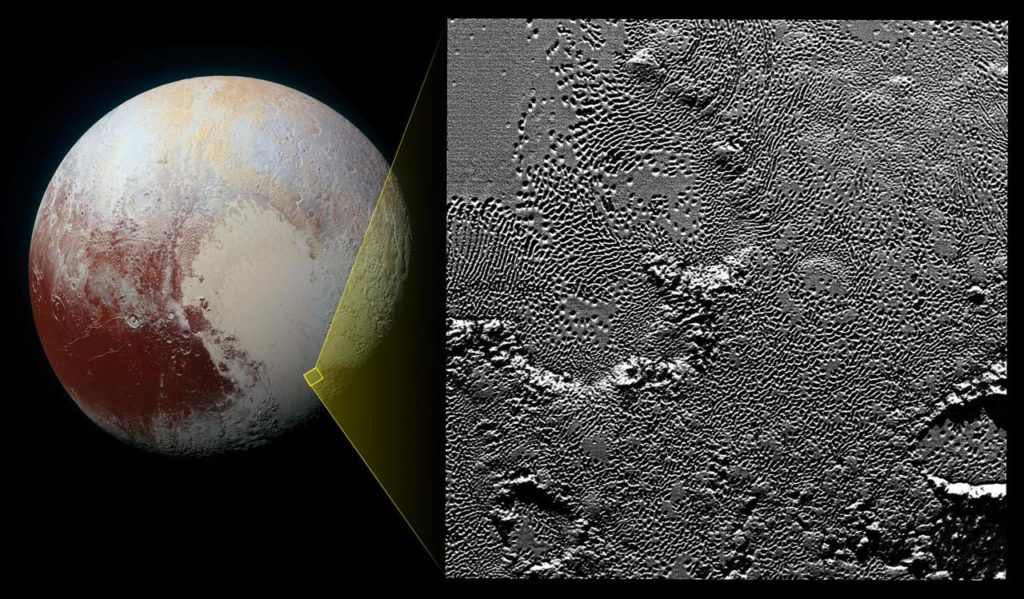
NASA’s Closest Encounter With Pluto Revealed an Unexpected World

A mission beyond expectations uncovering Pluto’s secrets.

©Image license via Picryl

When New Horizons made its historic flyby of Pluto in July 2015, after a decade-long journey, the data it returned shattered expectations. Instead of a cold, inert rock drifting at the solar system’s edge, Pluto turned out to be a surprisingly dynamic world with mountains, glaciers, layered haze in its atmosphere and even hints of an internal ocean. The encounter changed Pluto from a distant dwarf planet to a place alive with geologic and atmospheric activity, reminding us that the outer reaches still hold vivid surprises.

Read more

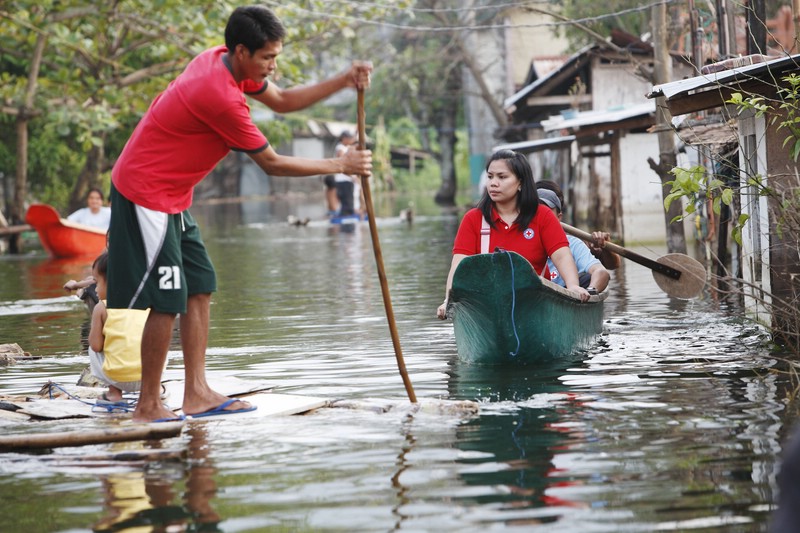
Over 1 Million Evacuated as Typhoon Fung Wong Slams the Philippines, 21st Storm of the Year

The storm’s strength tested an already weary nation.

©Image license via Flickr/IFRC

Typhoon Fung Wong made landfall in the Philippines with unrelenting power, forcing over a million people to flee their homes. As the 21st storm of the year, it struck a country already stretched thin from back-to-back typhoons. Evacuation centers filled across Luzon and the Visayas, as fierce winds, torrential rain, and surging tides swept through cities and coastal villages. Flights were canceled, roads vanished beneath floodwater, and power lines fell in the wind’s fury. Amid the chaos, stories of quick-thinking communities and quiet heroism revealed the unbreakable resilience that has long defined the Filipino spirit.

Read more

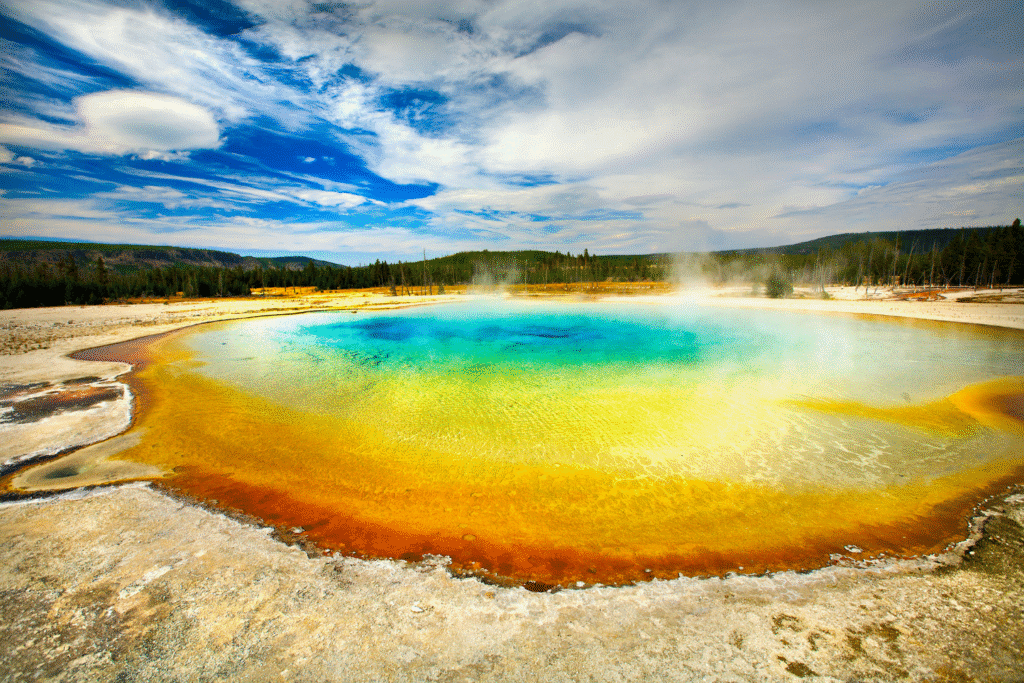
If Yellowstone Erupts, These 10 Places Will Vanish From the Map

Experts warn of widespread destruction from a supervolcanic event.

©Image license via Canva

Yellowstone is beautiful and terrifying in equal measure, a sleeping supervolcano whose power dwarfs anything humanity has witnessed. Scientists have long monitored its vast magma chamber, stretching beneath Wyoming, Montana, and Idaho, watching for signs of pressure or movement. While the odds of a catastrophic eruption in our lifetime remain low, the consequences of such an event would be unimaginable. Entire regions could vanish under ash and molten rock, skies would darken across continents, and life in the American West would change forever. This is what experts say could disappear first if Yellowstone ever awakened for real.

Read more