How Human Thoughts, Words, and Emotions Can Physically Alter the Structure of Water, According to Japanese Researcher

A controversial idea refuses to disappear from public debate.

©Image license via PetsnPals/ChatGPT, Woman in Icy Water with Snowflakes

In the late 1990s, a Japanese researcher began publishing images that seemed to show water responding to human intention. The photographs spread quickly, appearing in books, lectures, and documentaries worldwide. Supporters described the work as revolutionary. Critics warned it blurred science and belief. Decades later, the claim still circulates online, resurfaces in wellness spaces, and unsettles scientists asked to respond. The question persists not because it is proven, but because it touches something deeply human about meaning, consciousness, and how much influence we truly have.

Read more

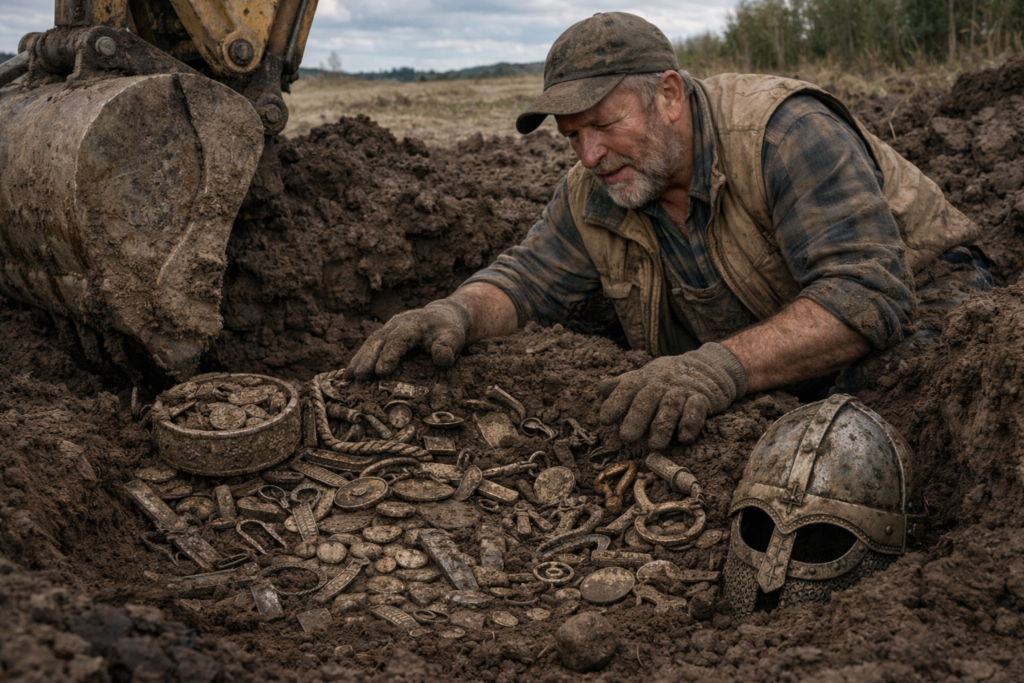
A Norwegian Farmer’s Road Project Uncovered a Hidden Viking Trove

A routine project uncovered something history never finished hiding.

©Image license via PetsnPals/ChatGPT, Viking Hoard Discovery

The road was meant to save time, not rewrite history. On a quiet farm near Årdal, northwest of Oslo, a Norwegian farmer began improving an access route across his land. Soil shifted, machinery slowed, and the ground resisted in unexpected ways. What emerged next did not arrive neatly or clearly. At first, it looked like debris. Then patterns formed. The work paused. Authorities were called. And a routine construction decision suddenly carried consequences far beyond one field.

Read more

If Someone Is Truly a Bad Person, These 11 Behaviors Come Naturally

Patterns surface long before consequences finally arrive.

©Image via Canva

Some people unsettle rooms without raising their voice. Conversations bend, trust thins, and small decisions suddenly feel risky. Friends struggle to explain why something feels off, only that it does. Psychologists note that harmful behavior often announces itself long before consequences appear. Patterns emerge in workplaces, families, and friendships, repeating across years and settings. The danger is not drama but familiarity. When certain behaviors appear effortlessly, they hint at something deeper that experience alone does not teach over time repeatedly.

Read more

What a Hiker Stumbled Upon Turned Out to Be a 1,500 Year Old Device Linked to Tragedy

The object did not belong where it rested.

©Image license via PetsnPals/ChatGPT, Reindeer Pit Trap

In the mountains of central Norway, a hiker noticed a length of worked wood and stone emerging from melting ground during a late summer trek. The area, long used for grazing and migration, rarely reveals human artifacts. At first glance, the object looked broken, useless, and out of time. Still, its placement felt deliberate. The hiker reported the find to local authorities, triggering a careful investigation. What followed revealed a forgotten system built for survival, and consequences that once followed closely behind it.

Read more

Why Playing Dungeons and Dragons May Actually Be Good For Your Brain

The game table hides more than entertainment.

©Image PetsnPals/ChatGPT, Dungeons & Dragons at the café

Across living rooms, game stores, and college dorms, players gather around maps and dice for hours at a time. Outsiders often see escapism or nostalgia. Researchers have started noticing something else entirely. Extended tabletop play appears to engage the brain in ways that resemble structured cognitive training. The effects are subtle, not dramatic, and easy to miss without long term observation. What happens during these sessions may influence memory, emotion, and decision making long after the game ends.

Read more