Scientists Just Opened a 40,000 Year Old Sealed Chamber and Discovered New Neanderthal History

The cave was known, but this space was not.
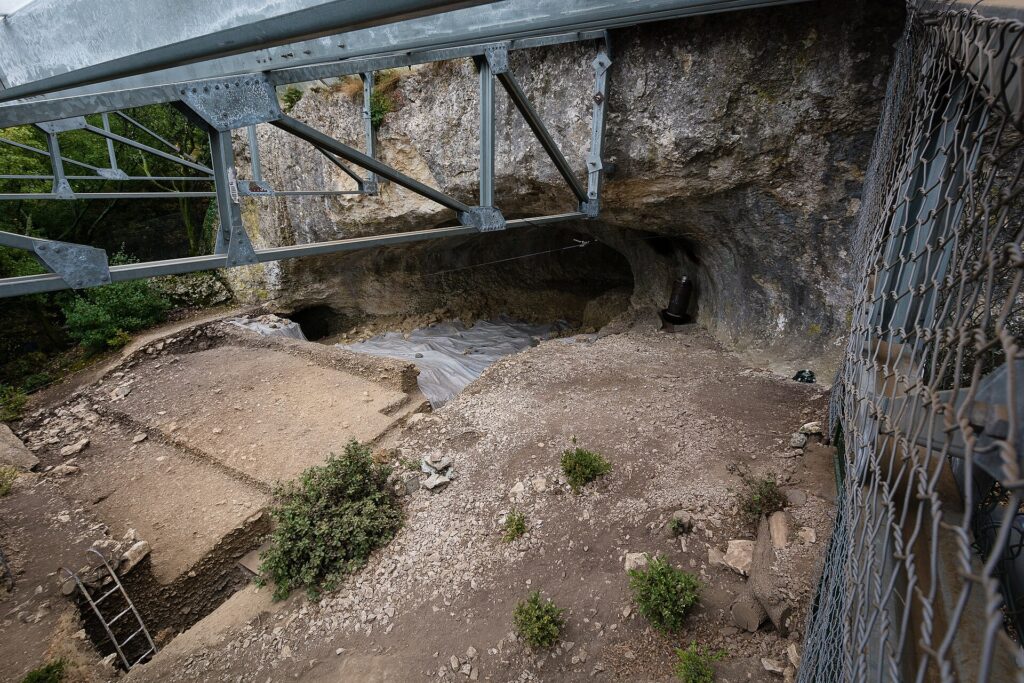
©Image license via Wikimedia Commons/Thilo Parg

In southern France, archaeologists working inside Grotte Mandrin prepared to open a section of the cave sealed since roughly forty thousand years ago. The site had been studied for decades, but this chamber remained untouched, blocked by collapsed stone and compacted sediment. When the barrier was finally breached in 2024, researchers paused. Air samples were taken. Cameras were lowered. The space beyond had not interacted with the outside world since Neanderthals last stood there, raising both scientific promise and risk.


Read more

New Evidence Shows Astronauts Came Home with Scrambled Brains

Something followed them home that doctors could not ignore.

©Image license via Flickr/NASA Johnson

When astronauts returned from extended missions aboard the International Space Station, doctors expected muscle loss and bone thinning. What they did not expect were lingering neurological changes that did not fade with rest. Tests conducted months after landing showed unusual patterns that raised concern. These changes appeared across multiple missions, different crews, and separate years. The effects were subtle at first, easy to dismiss as fatigue. Over time, the pattern became harder to ignore, forcing researchers to ask uncomfortable questions.

Read more

If These 10 Leftovers Sit One Day, Experts Say Toss Them

What seems safe today can turn risky fast.

©Image license via Canva

The refrigerator feels like a pause button, but it is not. Cold temperatures slow bacteria, they do not stop it. Some foods cross from harmless to hazardous far faster than people expect, even within a single day. Smell and appearance rarely give reliable warnings. What matters is moisture, protein, and how food was handled before it cooled. Food safety experts track these details closely because mistakes often look ordinary until symptoms appear. The danger is not dramatic spoilage. It is quiet growth, happening while the food still looks normal.

Read more

A 15-Million-Year-Old Discovery Off Florida’s Gulf Coast Is Under Investigation

Ancient teeth are reshaping a familiar seafloor.

©Image license via PetsnPals/ChatGPT, Otodus Megalodon Teeth Next to Shark Teeth

Off Florida’s Gulf Coast, divers and researchers are examining teeth far older than the shoreline itself. The fossils date back roughly fifteen million years, yet their sudden concentration has raised new questions. Found offshore and documented recently, the teeth suggest activity within ancient marine environments now buried beneath modern waters. Scientists involved stress caution as analysis continues. The investigation focuses on context, movement, and preservation rather than spectacle, because misreading these clues could distort understanding of prehistoric oceans and predators.

Read more

NASA Scientists Say a Supercomputer Has Just Revealed Earth’s Limit For Life

Powerful simulations are testing how long balance lasts.

©Image license via Canva

NASA researchers recently ran Earth system simulations that did not point to a sudden end. Instead, the models showed a slow narrowing of stability where complex life struggles first. Oxygen declines quietly, ecosystems fragment, and food webs thin long before the planet becomes barren, creating a future that looks alive but no longer supports familiar life.

The supercomputer revealed limits driven by feedbacks that do not reset. Oceans buffer change until they cannot, then instability accelerates unevenly. The finding reframes risk away from extinction dates toward thresholds, where resilience fails quietly and complexity fades, as microbial life persists over time.

Read more