Evidence beneath ice is forcing science to recalibrate.
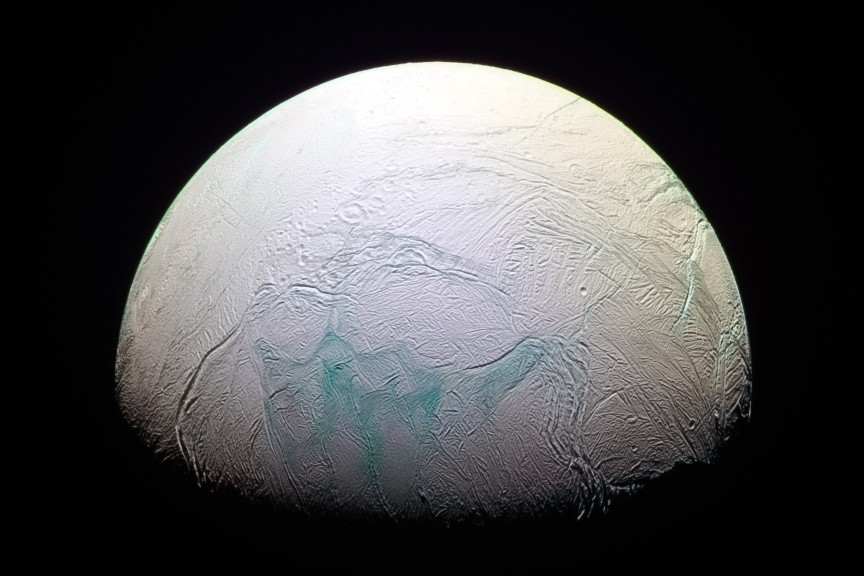
For years, Enceladus was treated as a curiosity rather than a destination. Then spacecraft data began stacking up in ways that were difficult to dismiss. Heat was leaking out. Water was erupting into space. Chemistry looked active, not frozen in time. Each discovery reinforced the last, creating a coherent picture rather than isolated surprises. Scientists are now dealing with a moon that checks multiple boxes for habitability at once. That combination has quietly but decisively shifted how the search for life beyond Earth is being framed.