California Is Entering a Prolonged Flood Crisis as Relentless Rain Continues

More weekend storms reveal a longer flood trajectory.
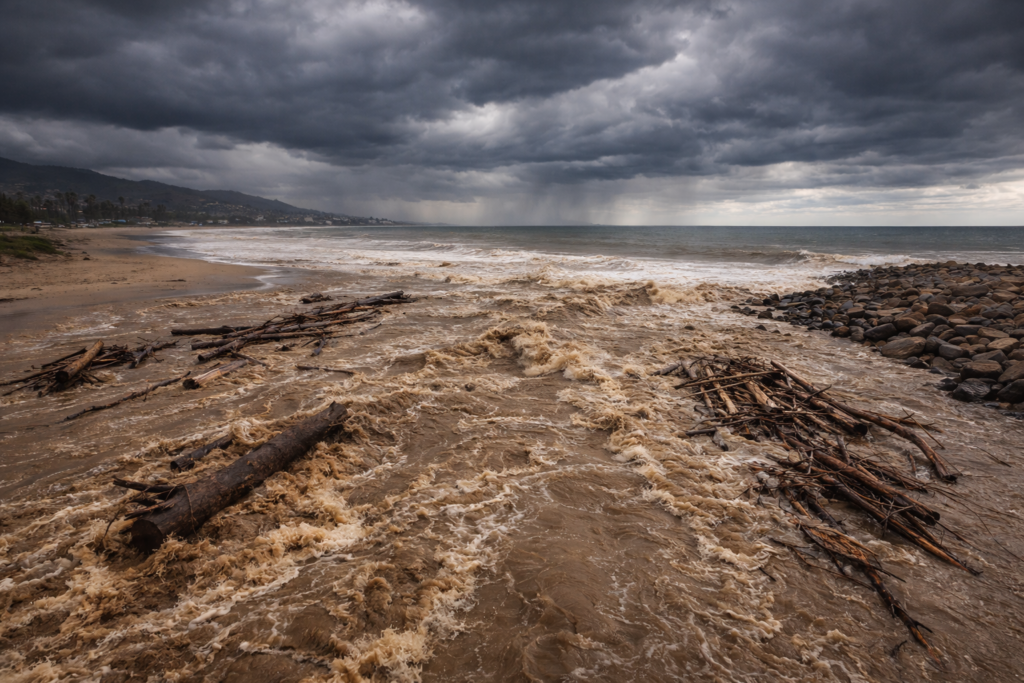
©Image PetsnPals/ChatGPT

Heavy rain from Friday night through Sunday pushed large parts of California past a breaking point already weakened by weeks of storms. Rivers rose rapidly across multiple regions, streets flooded in urban corridors including Los Angeles County, and saturated hillsides in coastal and foothill communities began to slide as successive bands of rain moved inland from the Pacific.

The damage reflects this weekend’s rainfall, but the context is larger. Emergency officials and climate scientists warn these storms are no longer isolated events. They are stacking across regions, straining infrastructure from the Central Valley to Southern California, and signaling a prolonged flood era that may shape winters statewide.

Read more

12 Signs Doomscrolling Has You Stuck, And How to Break Free

Your brain knows something is wrong already.

©Image PetsnPals/ChatGPT, Couple doomscrolling before bed

Doomscrolling rarely announces itself. It sneaks in during quiet moments, late nights, and quick breaks that quietly stretch into hours. What feels like staying informed often turns into emotional overload, mental paralysis, and a nervous system locked on high alert. Researchers now understand this pattern as a stress feedback loop, not a personal failure. Once you recognize the signals, you can interrupt the cycle before it reshapes how you think, feel, and function each day.

Read more

Why Gen Z Is Reexamining Ancient Civilizations Through a Climate Lens

The past suddenly feels uncomfortably relevant.

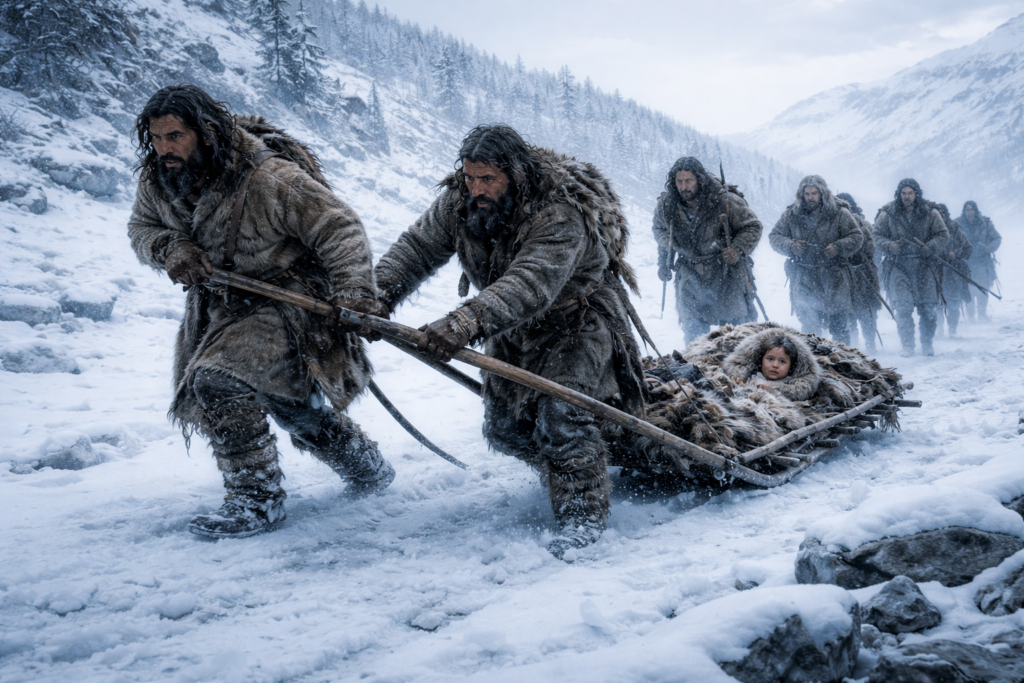
©Image license via PetsnPals/ChatGPT, Ice Age Migration

For Gen Z, ancient history no longer feels safely distant. Climate disruption is not a future scenario but a lived condition, shaping school closures, housing decisions, and mental health. That reality changes how the past is read. Younger researchers and readers are turning to ancient civilizations with sharper questions about drought, flooding, resource strain, and survival under pressure. Archaeology, climate science, and social history are being braided together. What emerges is not nostalgia, but urgency. Ancient societies begin to look less like curiosities and more like case studies.

Read more

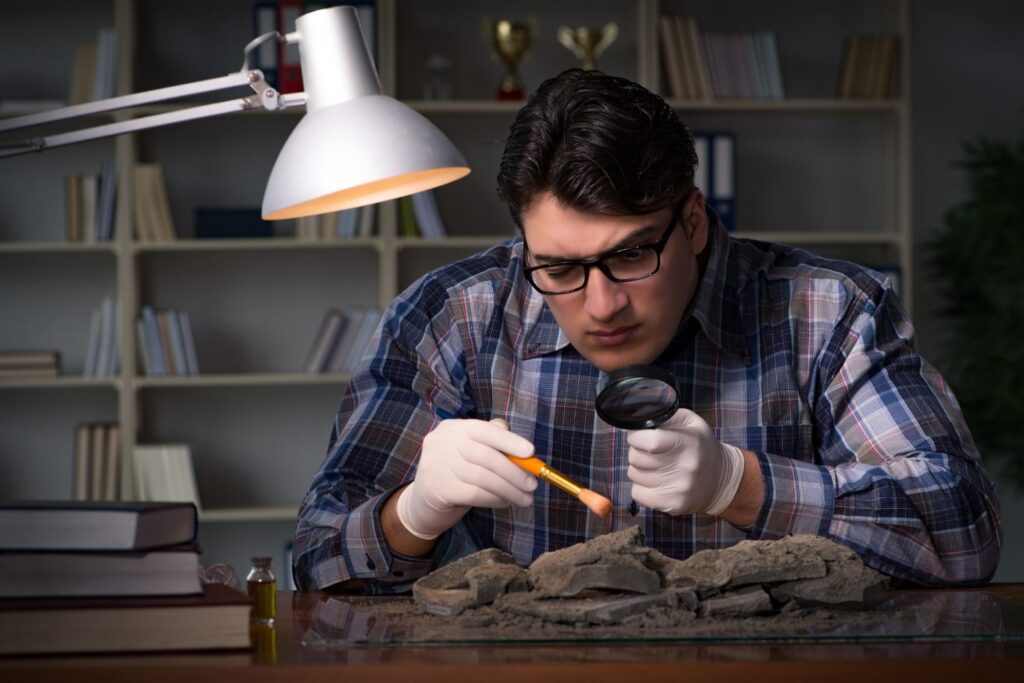
How Archaeology Is Challenging What We Thought We Knew About History

New discoveries keep rewriting the human story.

©Image license via Canva

For much of the last century, history felt orderly. Civilizations rose in predictable stages, technology advanced step by step, and innovation followed neat timelines. Archaeology is steadily undoing that comfort. New dating methods, satellite imaging, and careful reexaminations of old sites are revealing societies that were inventive far earlier and in unexpected ways. What once looked like exceptions now look like patterns. The deeper archaeologists dig, the more the past resists simple narratives, forcing history to become less linear and far more human.

Read more

The Ancient Horse Burial That Changed Everything Archaeologists Thought They Knew

One grave forced a rewrite of early domestication.

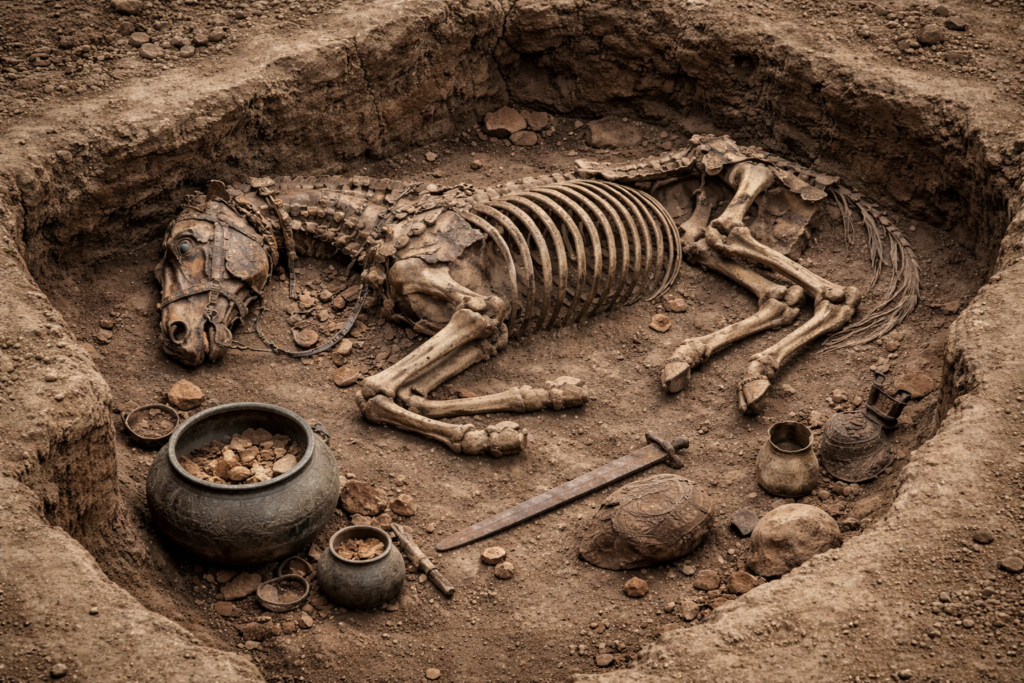
©Image license via PetsnPals/ChatGPT, illustration of ancient horse burial

When archaeologists excavated an unusually careful horse burial on the Eurasian steppe, the discovery immediately unsettled long held assumptions. The site dated to a period when horses were thought to exist on the margins of human society, hunted or loosely tolerated but not socially valued. Instead, the animal had been placed with care, orientation, and intention normally reserved for people. The burial suggested relationship rather than utility. It raised questions archaeologists were not prepared to answer yet, about when emotional bonds, ritual meaning, and social status entered the human horse story.

Read more