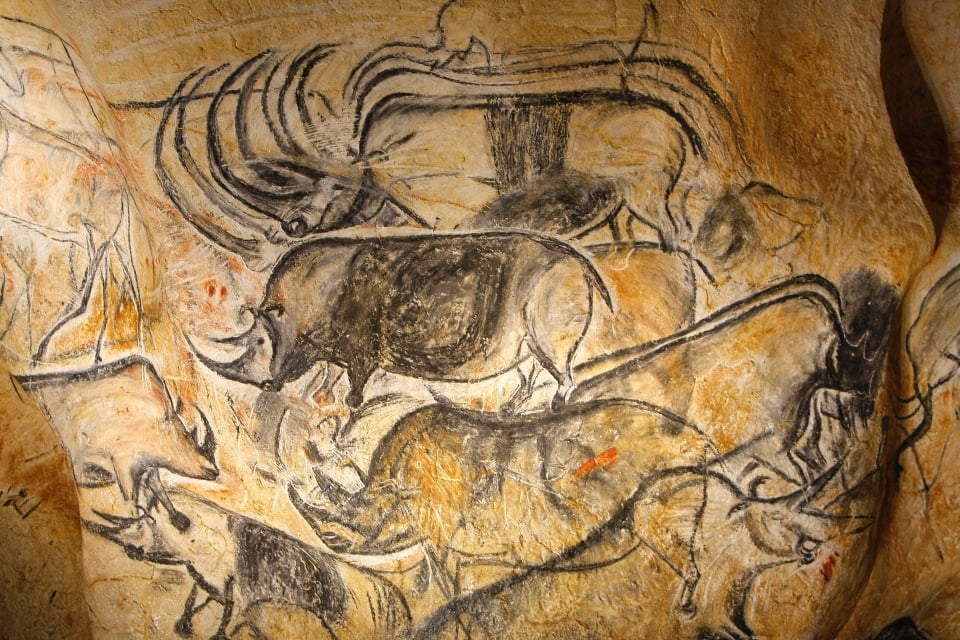
The discovery is reshaping what historians believed.
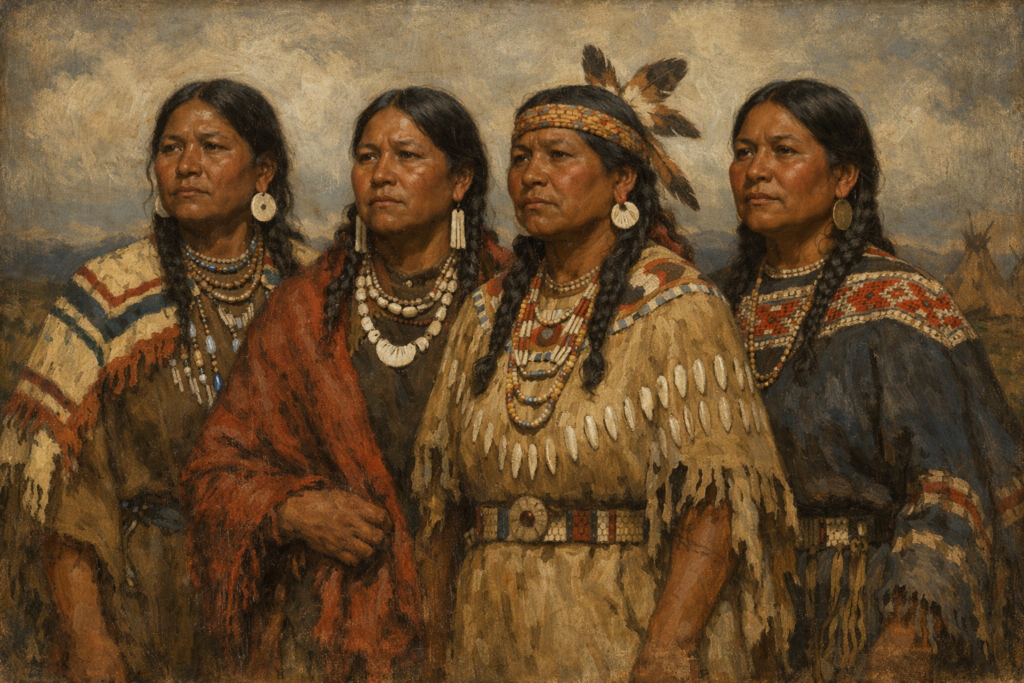
For generations, ancient political power was imagined through familiar symbols such as kings, warriors, monuments and conquest. Yet as archaeologists revisit old sites with new tools and perspectives, another pattern begins to emerge from the ground. Across several regions, evidence points toward networks of influence that do not match earlier assumptions about leadership. Burial placements, trade materials, movement patterns and household structures suggest authority flowed through channels that once went largely unnoticed. When these clues are assembled together, they reveal systems of coordination and diplomacy operating beneath the surface. Slowly, a different picture of ancient political organization is coming into focus.