The rocks tell a slower story than expected.
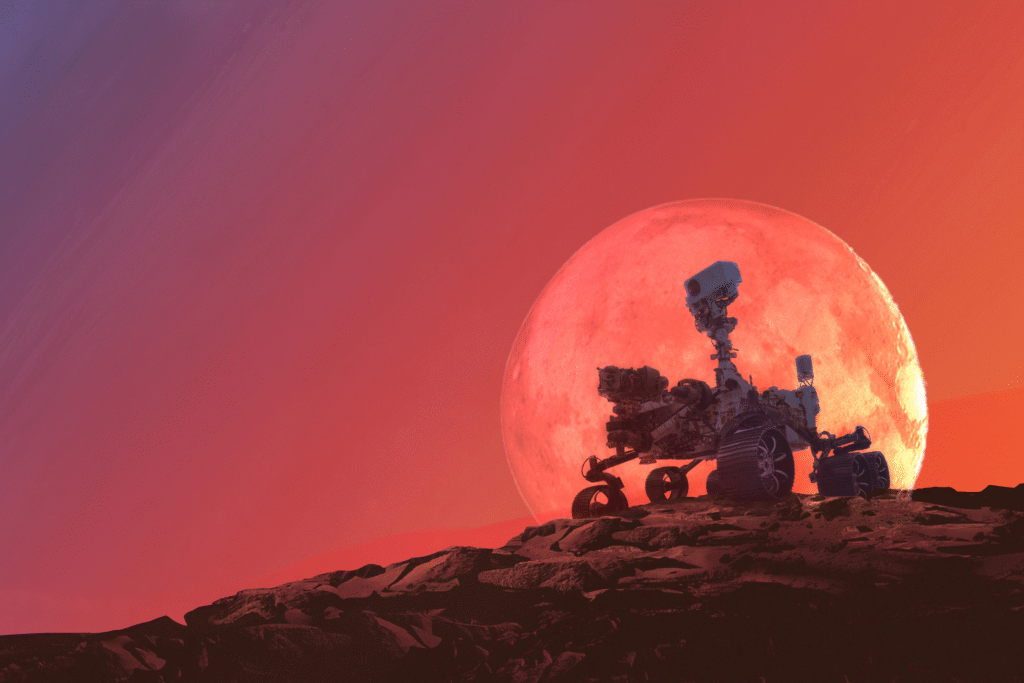
For decades, Mars was described as a planet that lost its water abruptly. Rivers carved channels, lakes briefly filled basins, and then the climate collapsed. That narrative assumed speed. Evidence emerging from Wildcat Ridge forces a reassessment. Clay rich layers preserved there indicate chemical interactions that unfold slowly, under stable conditions. These minerals suggest Mars did not simply flash from wet to dry. Instead, water lingered, interacted, and reshaped surface environments for far longer than earlier models allowed.