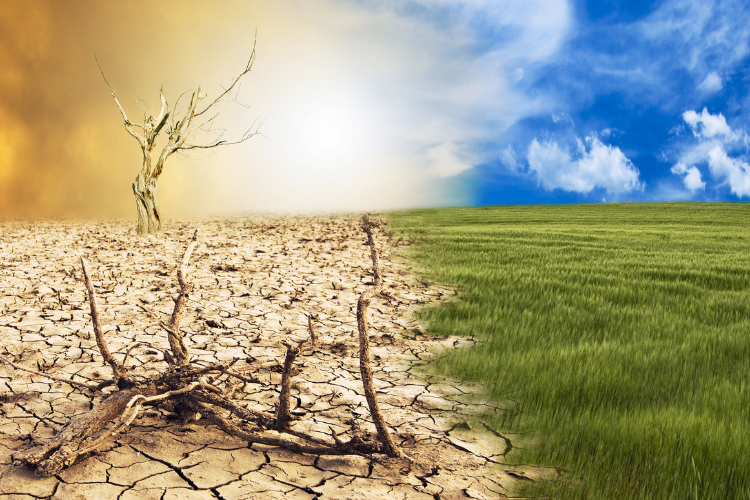
If Climate Change Wins, These 10 U.S. Regions Will Still Be Livable

Climate extremes are reshaping American geography today.
©Image via Canva

Hurricanes are intensifying, ice storms are crippling infrastructure, flooding is devastating communities, and heat waves are breaking records across the country. Americans are beginning to ask uncomfortable questions about where they and their children will actually be able to live safely. Recent disasters from Hurricane Helene’s catastrophic flooding to California’s devastating wildfires have shattered long-held assumptions about climate safety.

Scientists are analyzing everything from flood patterns to infrastructure durability, identifying which parts of the country can handle multiple climate threats simultaneously. These ten regions keep appearing in resilience research across different studies, representing diverse geographic areas from every corner of the nation because they possess specific advantages that matter when facing unpredictable extremes.

Read more

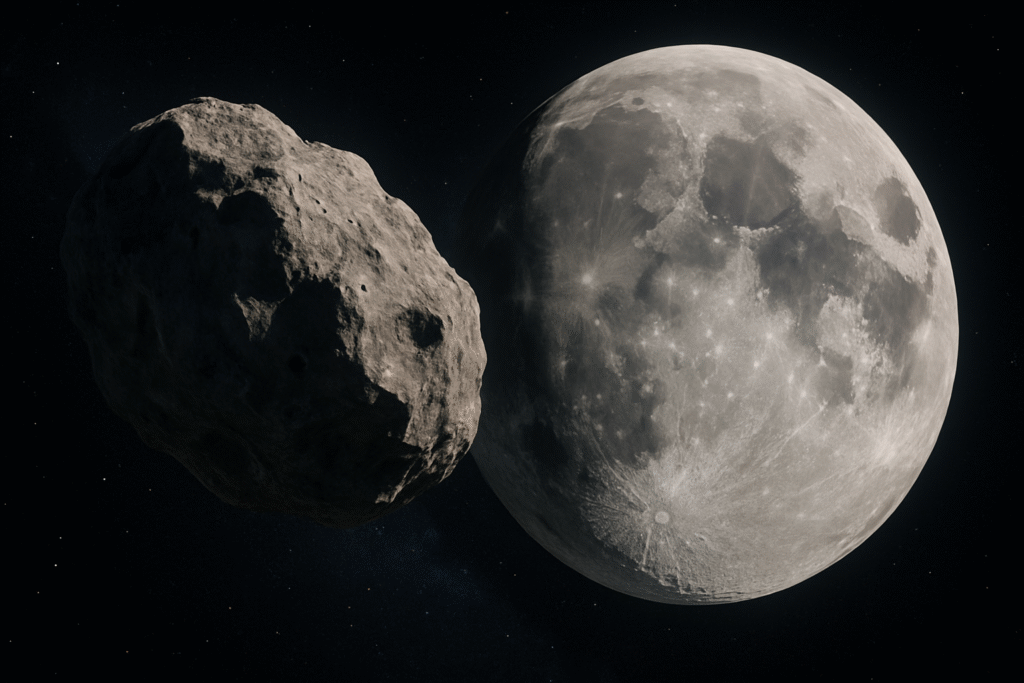
NASA Confirms Asteroid Will Strike the Moon Unless Action is Taken

A growing lunar threat draws global attention.

©Image license via PetsnPals/ChatGPT

NASA has confirmed that a newly tracked asteroid has a real chance of slamming into the moon in 2032, and the situation is now getting treated with the kind of seriousness you and I would expect when something this big enters the conversation. The asteroid, known as 2024 YR4, is not a threat to Earth, but the moon is a different story. Scientists are watching it closely, running simulations, and figuring out what steps humanity may need to take long before the date arrives.

Read more

Vatican Finally Returns Indigenous Treasures to Canada After Years of Requests

A long awaited return brings renewed accountability.

©Image license via Wikimedia Commons/Dwayne Reilander

For Indigenous communities in Canada, the return of sacred items from the Vatican has become a powerful moment of recognition and responsibility. These objects were taken to Rome a century ago and remained out of reach through generations of requests. Now they are coming home, and the return marks a shift in how the Church and global institutions respond to Indigenous nations seeking cultural restoration.

Read more

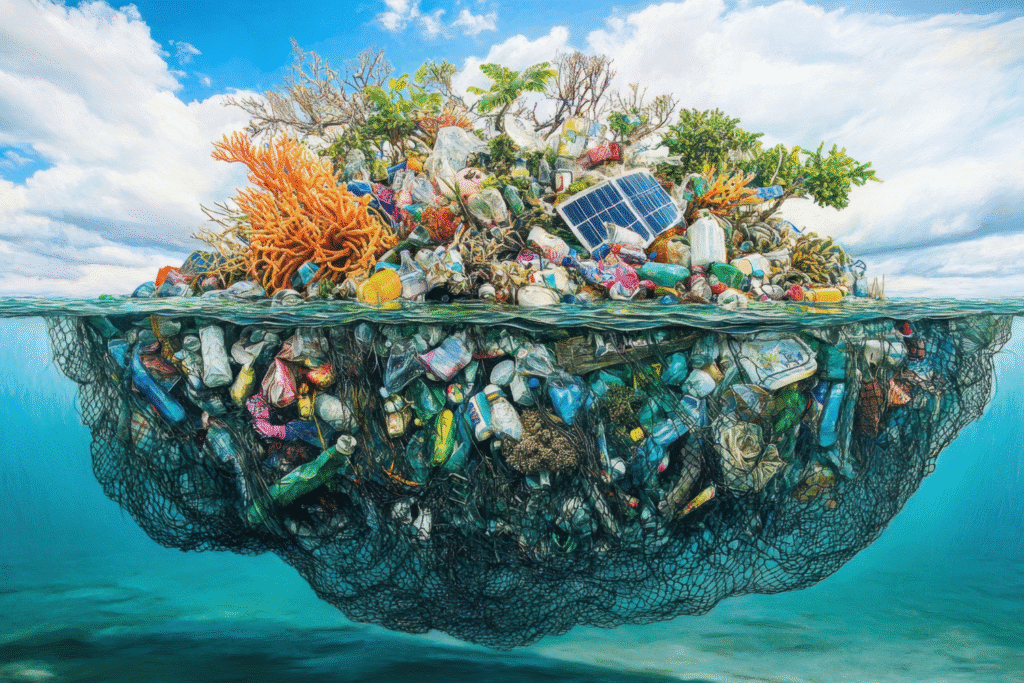
A Game Changing Plastic Eating Bacteria Has Just Been Found in the Ocean

Marine microbes adapt in surprising ecological ways.

©Image license via Canva

New research examining microbial communities from multiple ocean regions has revealed that certain bacteria have begun developing enzymes capable of breaking down common plastics, and the timing of this evolution appears tied directly to the global rise in plastic waste. Scientists studying water samples from surface currents to deep sea sediments found that enzyme abundance has increased dramatically over the last few decades, reflecting a rapid biological response to human made pollution. This discovery not only reshapes our understanding of microbial adaptability but also introduces new possibilities for long term cleanup strategies, ecological forecasting, and an evolving relationship between life and synthetic materials.

Read more

NASA Detects Baffling Signal Anomaly Hidden Deep Under Antarctic Ice

A strange Antarctic signal sends science into new territory.

©Image license via Flickr/Asia Society

NASA supported research teams recently detected an unexpected radio pulse emerging upward from beneath Antarctic ice, a location where no known signal should originate. The event challenges existing physics and has pushed researchers toward new questions about particles, deep ice interactions, and the unseen structures that lie beneath the continent. The signal’s path and strength break from predictable models and force a closer look at how extreme environments influence particle behavior. As details continue to unfold, the anomaly stands as one of the most intriguing discoveries to emerge from the frozen continent in recent years.

Read more