A faint dot stirs Uranus’s known companions.
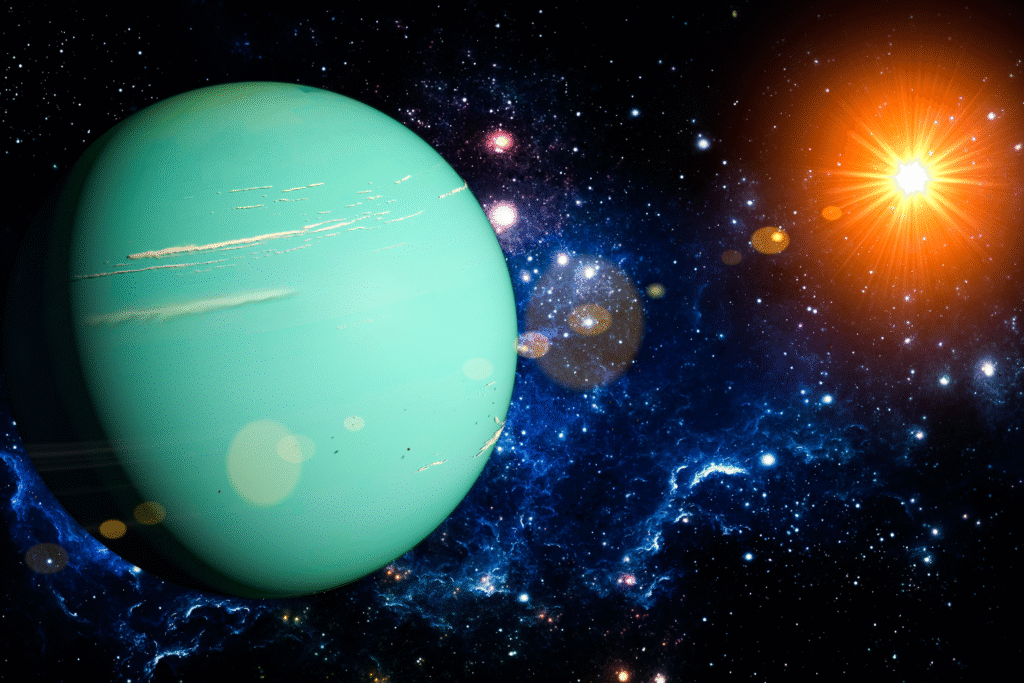
When astronomers first spotted a tiny, faint speck orbiting Uranus, the news rippled through planetary science. It is not often that a new moon shows up in our backyard after decades of observation. Yet thanks to the James Webb Space Telescope, that exact scenario unfolded earlier in 2025. Now Uranus, long seen as mysterious, has a fresh companion to study and wonder about.
The moon, provisionally named S/2025 U1, is small and dim, lurking among the planet’s inner satellites. Its discovery challenges assumptions about how thoroughly we have mapped our solar system and promises new insights into how moons form and interact with rings.