When Intelligence Wasn’t Enough to Protect Humans

History’s most dangerous wild animal encounters didn’t favor human brains.
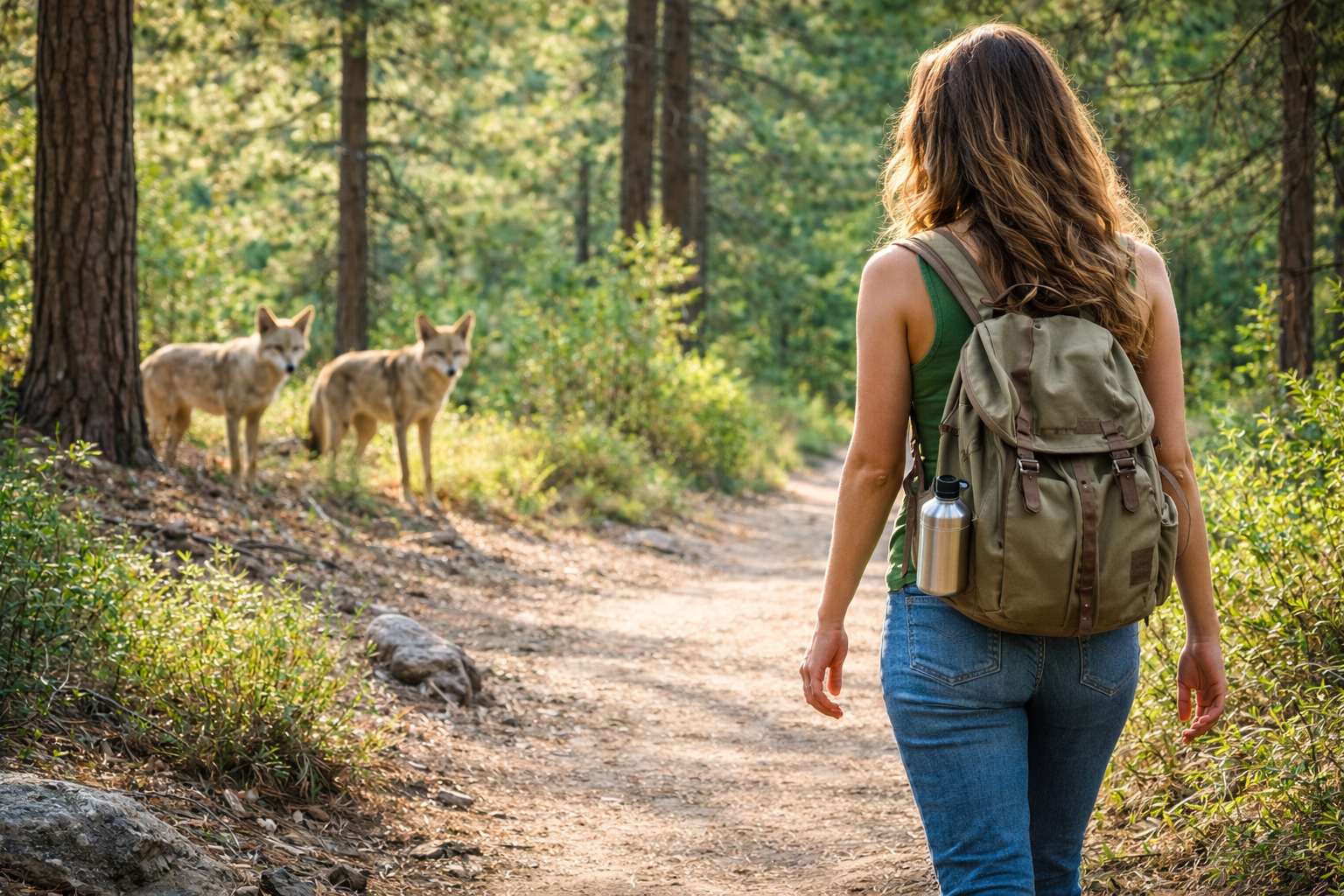
©Image PetsnPals/ChatGPT, Coyotes

Throughout history, humans were not always safely perched at the top of the food chain. Long before firearms, fences, and modern tools tilted the balance, many animals saw people as vulnerable prey. Some predators learned patterns, tested defenses, and adapted tactics to ambush or stalk humans directly. Even now, in certain regions, wildlife remains a serious threat, a reminder that dominance is conditional. From man-eating big cats to prehistoric hunters that shadowed early settlements, these animals were not just surviving, they were actively hunting. Their pressure shaped fear, cooperation, and innovation, quietly steering human evolution itself over thousands of years.

Read more

Scientists Say Several Dog Breeds Are on the Brink of Genetic Collapse

Beloved purebreds face a biological point of no return.

©Image license via Canva

Purebred dogs were shaped by history, geography, and human preference, but modern genetics is revealing an unintended cost. Across Europe and North America, researchers are documenting patterns once associated with endangered wildlife populations. Entire breeds now carry dangerously low genetic diversity, with inherited diseases stacking across generations. These are not distant risks or theoretical models. They are measurable changes happening now in clinics, breeding records, and DNA databases, forcing scientists to confront how close some familiar breeds are to irreversible genetic failure.

Read more

How Bears Can Smell Food From Over a Mile Away Even Under Snow

A hidden sense guides survival in frozen landscapes.

©Image license via Canva

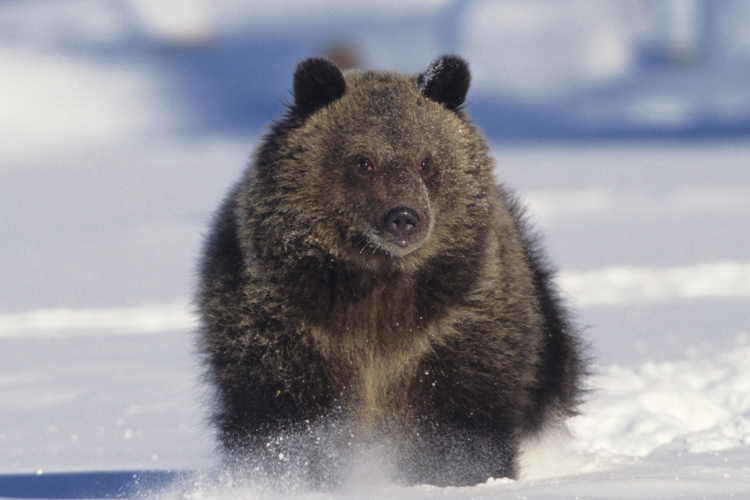
In bear country across North America, this scene repeats itself every year. Food locked in coolers, buried under snow, or sealed inside vehicles is still found overnight. Snowstorms, freezing temperatures, and distance do not stop it. Bears are not guessing. Their sense of smell is so advanced that it functions as their primary survival tool, guiding them toward calories when landscapes look empty to human eyes. This ability is shaped by anatomy, physics, memory, and constant evolutionary pressure to find food efficiently in harsh environments.

Read more

Why Some Animal Species Are Thriving in a Warming World

Adaptability is quietly deciding which species move forward.

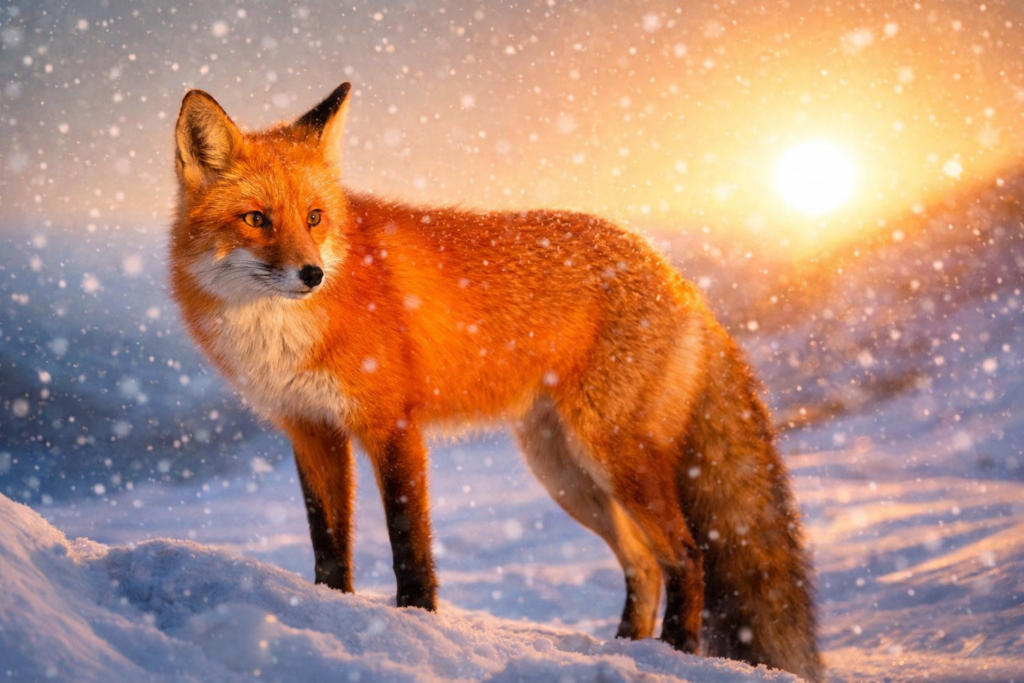
©Image license via PetsnPals/ChatGPT, red fox in the snow

Climate change is often discussed as a sweeping loss story, but the biological reality is more uneven. As temperatures rise, winters shorten, and ecosystems reorganize, some animals are not retreating at all. They are expanding ranges, reproducing more successfully, and exploiting conditions that disrupt others. These winners are not random. They share traits that reward flexibility, speed, and tolerance for disturbance. Looking closely at specific species reveals how warming reshapes ecosystems in selective, sometimes unsettling ways that are already visible across land, sea, and cities.

Read more

The Financial Habits Millennials Refuse To Copy From Their Parents

Why money rules quietly shifted across one generation.

©Image license via Canva

Millennials did not wake up one day and reject their parents’ financial playbook. The shift happened gradually, shaped by recessions, unstable job markets, exploding education costs, and housing prices that sprinted ahead of wages. Many of these habits formed between the 2008 financial crisis, the pandemic, and years of economic whiplash that rewarded flexibility over tradition. What looks like hesitation or defiance is often adaptation. These choices reflect a generation recalibrating survival, security, and success under very different conditions than the ones their parents faced.

Read more