A Mysterious Montana Rock Feature Looks Man-Made, Scientists Say It’s Something Different

The formation raised questions long before answers appeared.

©Image PetsnPals/ChatGPT, Sage Wall

In eastern Montana, a striking rock formation began circulating online after hikers shared photos showing straight edges and stacked layers that seemed anything but natural. Some viewers saw evidence of ancient construction. Others suspected modern interference. As foot traffic increased, geologists were asked to take a closer look. The debate that followed revealed less about lost civilizations and more about how easily geology can challenge human intuition when nature builds with unexpected precision.

Read more

Dogs Left Alone Too Long Show Brain Changes Linked to Trauma, Studies Find

Isolation may reshape canine brains over time.

©Image license via PetsnPals/ChatGPT

More dogs are spending long hours alone inside homes, garages, and apartments while owners work longer days. At first nothing seems wrong. Meals are eaten, toys untouched, furniture intact. But behavior specialists have begun noticing subtle changes that surface later during training, vet visits, or reunions. These shifts raise difficult questions about what prolonged isolation does to a social brain. Emerging studies suggest time alone may alter stress responses in ways that echo traumatic experiences, especially when isolation becomes routine.

Read more

These 11 Hunters Prove Rattlesnakes Are Not Untouchable

Nature has its own specialized snake adversaries.

©Image license via Canva

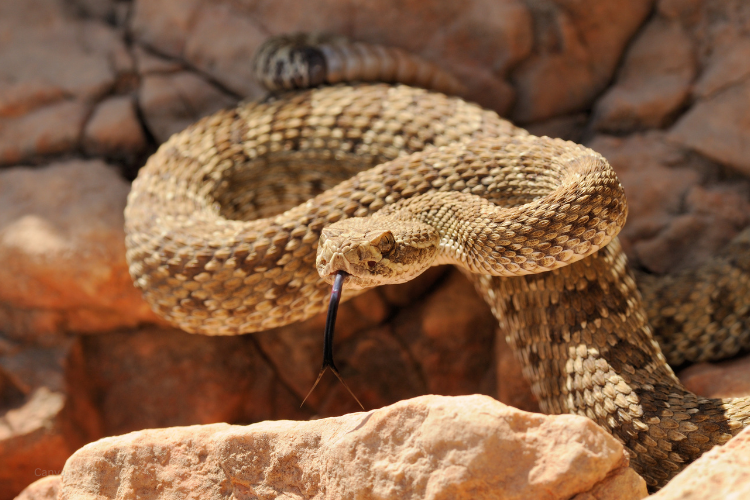
Rattlesnakes sit high on the danger ladder, armed with venom, warning signals, and speed. Yet in deserts, forests, and grasslands, they are not alone at the top. Other wild animals cross their paths regularly, sometimes hunting them deliberately, sometimes killing them in violent chance encounters. These meetings test the limits of venom, reflex, and fear. What follows are twelve wild hunters that do not flinch when a rattlesnake rattles. Each interaction reveals a crack in the illusion of untouchability, and reminds us that even iconic predators live within a larger, unforgiving food web.

Read more

If You See a Fox Coming Toward You in Broad Daylight, Don’t Shrug It Off

Daylight fox encounters can quietly signal rising risk.

©Image via Canva

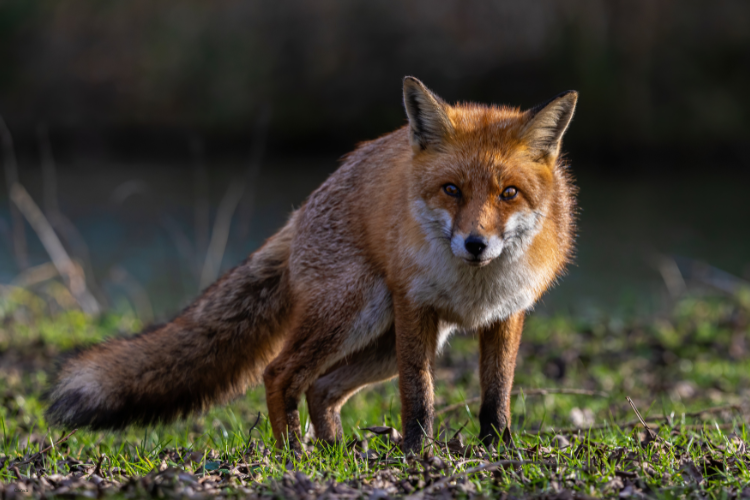
An adult fox moving toward a person in full daylight breaks an unspoken rule of the wild. These animals are typically cautious, crepuscular, and quick to vanish. When that instinct falters, something has already shifted. Across neighborhoods, parks, and rural roads, daylight fox sightings are increasing, and not always for comforting reasons. Timing, distance, and behavior matter more than species charm. This moment, brief as it seems, can carry layered meaning tied to health, food pressure, and human expansion. The explanation is rarely simple, and the stakes can escalate faster than expected.

Read more

6 Cooking Sprays Have Been Removed From Shelves Due to Health and Safety Concerns

Why chemical scrutiny reshapes everyday kitchen products.

©Image license via PetsPals/ChatGPT, Employee Removing Cooking Oil Spray Bottles from Shelf

Cooking sprays look simple, but the science inside the can has never been simple. For decades, these products combined oils, chemical propellants, stabilizers, and pressurized gases designed to behave safely near heat. As chemistry advanced, some of those ingredients raised alarms. Environmental damage, fire risk, and long term exposure questions began surfacing. One by one, certain sprays disappeared or changed form. The shifts were driven by rules, research, and risk assessments, reshaping what reaches kitchen shelves without most shoppers realizing how much science was involved.

Read more