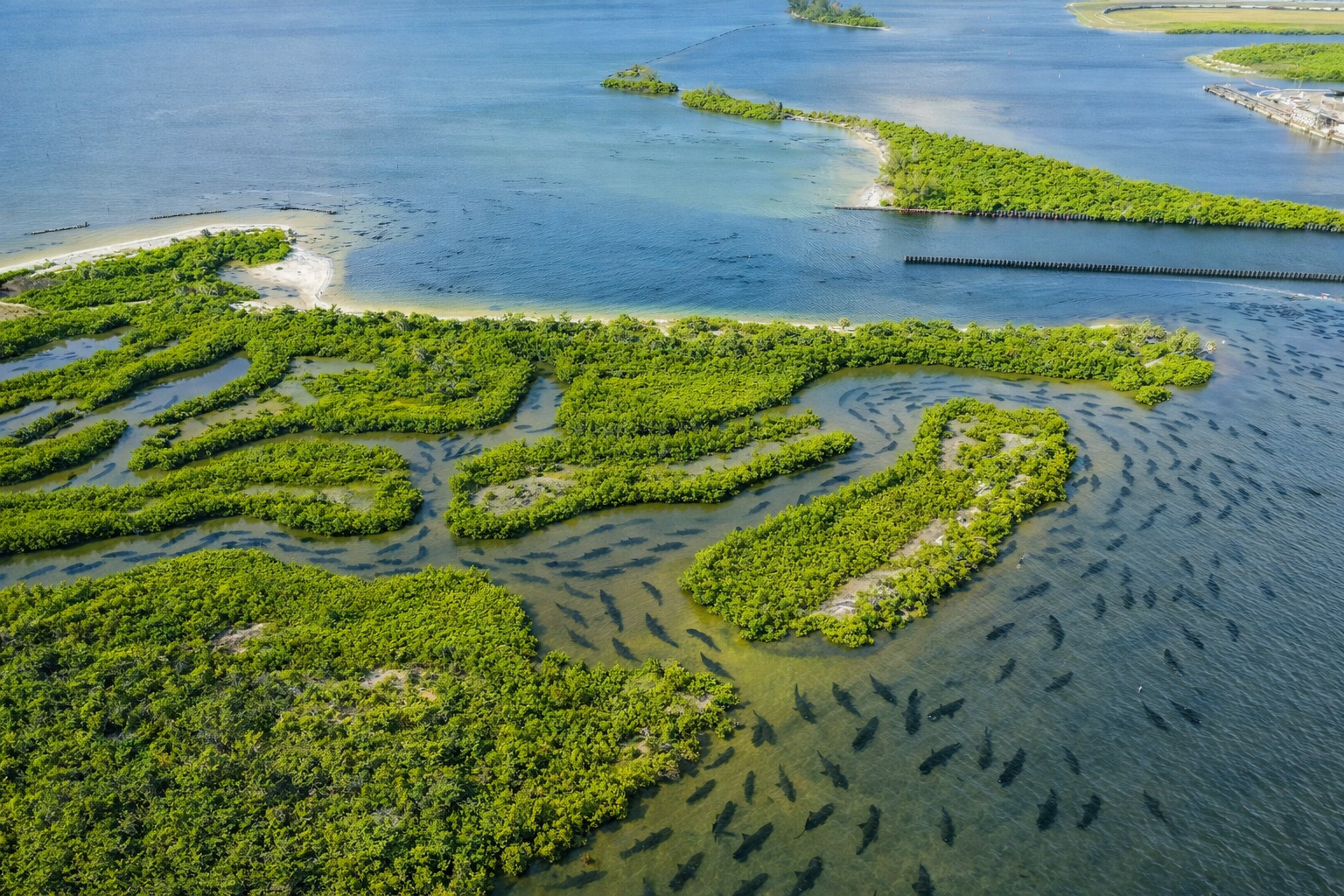
Cities are becoming unexpected wildlife refuges.

Across the world, endangered animals are appearing in places built for people rather than wildlife. Suburbs, ports, drainage corridors, rail lines, and city parks now overlap with shrinking natural habitats. For some species, urban areas offer food, warmth, and fewer natural predators. For others, cities introduce vehicles, noise, disease, and conflict. These animals are not moving by choice alone. They are adapting under pressure. When endangered species begin living alongside people, survival improves in some ways and becomes more dangerous in others, reshaping conservation, public safety, and daily urban life.