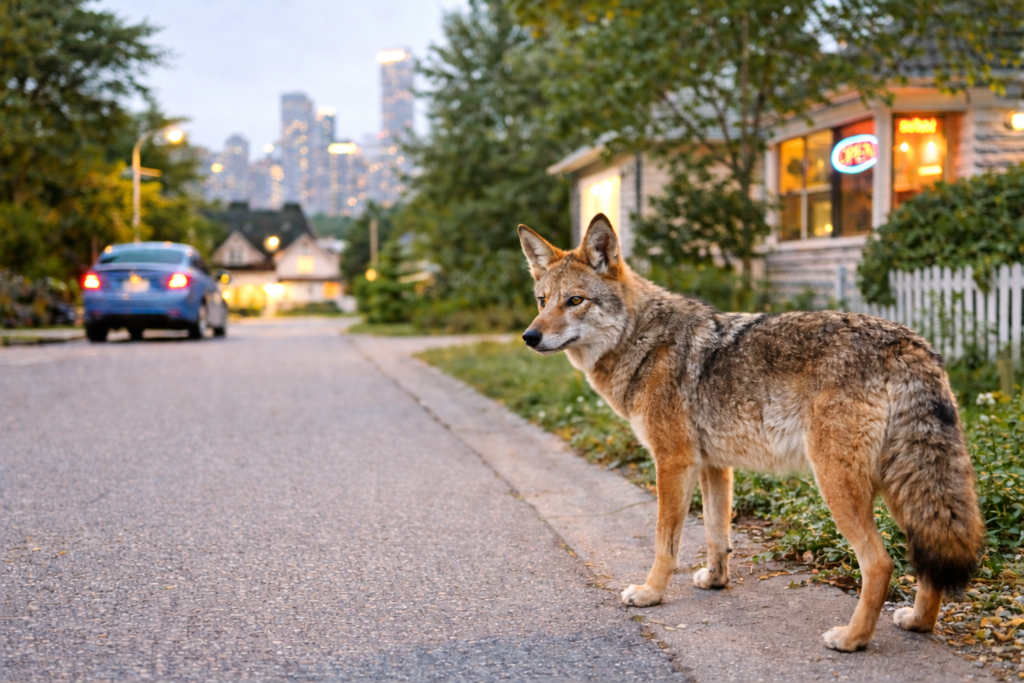
If a Wild Animal Doesn’t Run When You Yell, Something Is Wrong

Silence after shouting can mean rising danger.
©Image license via iStock

Most people expect wildlife to flee at human noise. Yelling, clapping, or talking loudly usually triggers distance. When that reaction fails, instincts hesitate. The animal remains still, watches, or moves closer. That pause matters. It suggests altered behavior shaped by stress, illness, or proximity to people. Across parks, suburbs, and trails, these moments are becoming more common. Understanding why an animal does not retreat can change what happens next, and sometimes determine whether an encounter ends safely or spirals quickly.

Read more

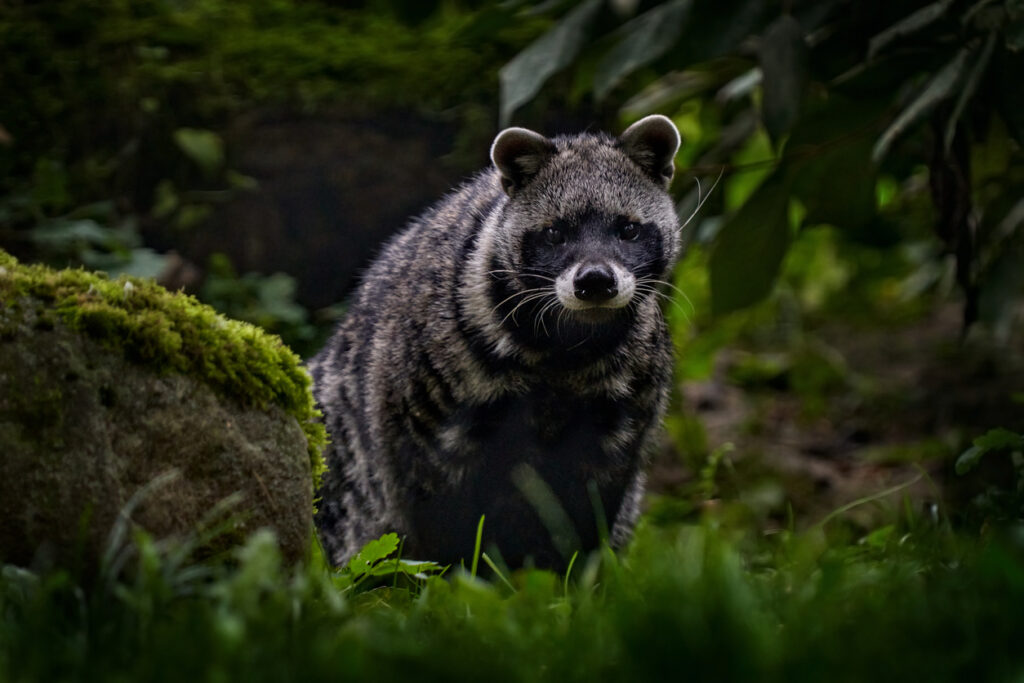
They Look Harmless Until It’s Too Late, 10 Cute but Very Dangerous Wild Animals

Adorable appearances often conceal serious survival level threats.

©Image license via Canva

Soft fur, round eyes, and small size trigger trust in the human brain almost instantly. That instinct evolved for babies, not wildlife. Across continents and climates, animals that appear gentle or even charming account for serious injuries and deaths each year. The danger rarely comes from aggression alone. It comes from toxins, disease, defensive reflexes, or sheer strength hidden behind a harmless exterior. These encounters often unfold quietly, without warning, leaving little time to reassess what looked safe only moments before.

Read more

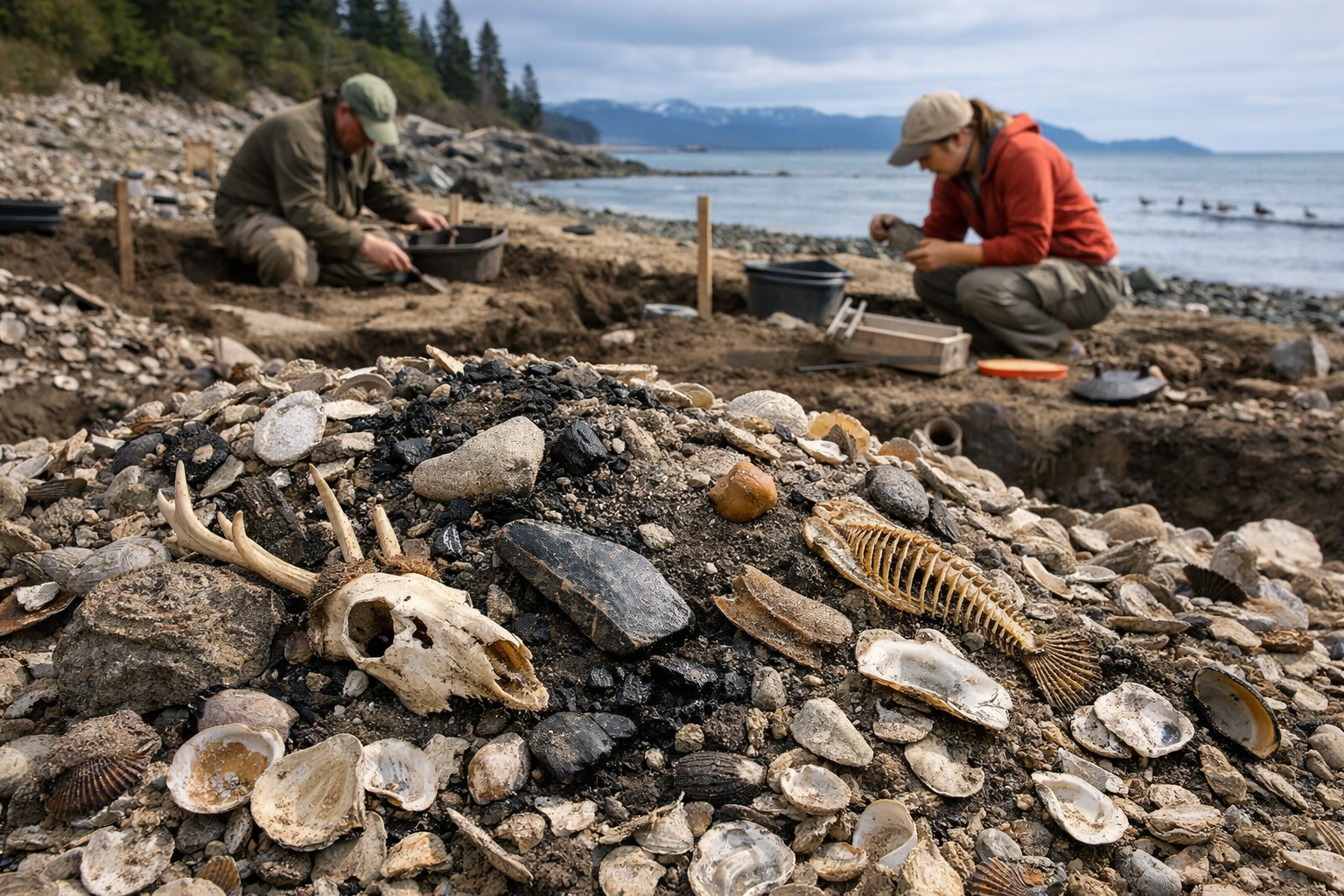
What Ancient Shell Piles Reveal About Early Coastal Tribes

These heaps look boring until you read them.

©Image PetsnPals/ChatGPT, Coastal excavation of ancient shell midden

Along coastlines from the Pacific Northwest to Scandinavia and Japan, archaeologists keep finding the same strange landmark, huge piles of shells mixed with ash, bone, and broken tools. They are called shell middens, and they are basically ancient trash dumps that refuse to stay quiet. Because coastal food is seasonal and tides are predictable, these piles record habits with surprising precision. In many cases, they even preserve material that ordinary soils destroy, letting researchers reconstruct daily life in detail.

Read more

NASA Found an Asteroid That May Have Helped Life Begin on Earth

A handful of dust is raising big questions.

©Image license via Canva

When NASA brought pieces of asteroid Bennu back to Earth, the goal was simple and audacious, touch a relic from the early solar system and read its chemistry like a time capsule. In labs in Houston and around the world, the sample is now revealing carbon rich material, signs of water altered minerals, and a growing list of molecules tied to biology. None of this proves life came from space, but it sharpens the case that key ingredients arrived early and often.

Read more

10 Predators That Are Moving Closer to People Than Ever Before

Human expansion redraws ancient predator boundaries worldwide.

©Image PetsnPals/ChatGPT, Coyote at twilight in suburban street

Across continents, large predators are appearing closer to towns, suburbs, and cities with increasing regularity. This shift is not random. Expanding development, fragmented habitats, climate stress, and stable food sources pull animals toward human dominated spaces. Researchers tracking movement patterns from North America to South Asia report the same trend. Predators are not invading out of aggression. They are adapting. Understanding which species are moving closer, and why, reveals how tightly human behavior now shapes the world’s remaining wild margins.

Read more