Human leftovers are reshaping raccoon survival strategies.
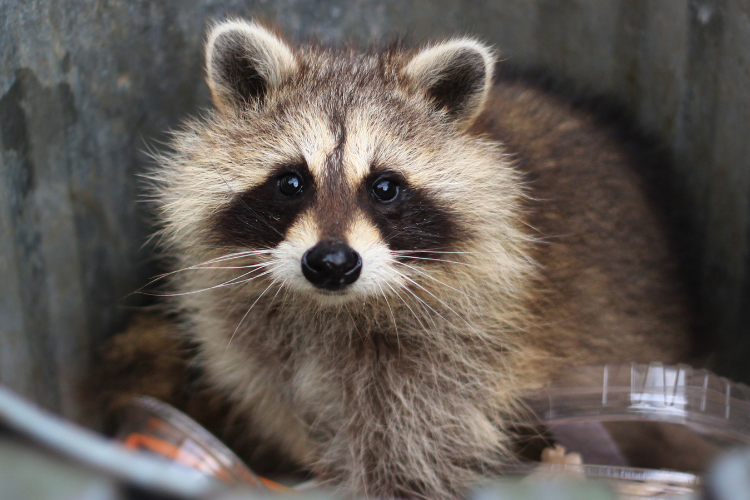
Trash night has become a turning point for raccoons across North America. Overflowing bins, compost piles, and food scented packaging are reshaping how these animals move, forage, and survive. Urban alleys, suburban cul de sacs, and rural transfer stations now act like predictable feeding zones. What is unfolding is not random scavenging, but deliberate adaptation, timed to pickup schedules, shaped by plastic lids, and refined around human routines that repeat night after night.