Deer Proof Your Yard With These Plants They Can’t Stand

Strategic planting shifts deer behavior without fences.

©Image PetsnPals/ChatGPT, Deer in suburban garden at dusk

As white tailed deer expand deeper into suburbs across North America, browsing pressure has become a year round problem rather than a seasonal nuisance. Homeowners from Pennsylvania to Oregon report similar patterns. Deer follow predictable routes, remember food sources, and return nightly once a yard proves rewarding. What interrupts that cycle most effectively is not force but chemistry. Certain plants trigger avoidance through smell, texture, or taste that deer instinctively trust. When landscapes are built around those signals, deer pressure often drops within weeks.

Read more

Top 10 Ocean Predators That Everything Else Avoids

The sea has a hierarchy, and it bites.

©Image license via iStock

The ocean is full of animals that hunt, but a small group rewrites the rules for everyone around them. Some dominate by speed, others by stealth, others by sheer mass and endurance. When these predators enter a bay, a reef edge, or an ice lead, prey do not just hide, they relocate, change feeding times, and sometimes stop making noise altogether. Here are ten predators that shape ocean life simply by showing up.

Read more

Why Neighborhood Wildlife Alters How Dogs Patrol Their Territory

Backyard ecosystems quietly reshape canine surveillance habits.

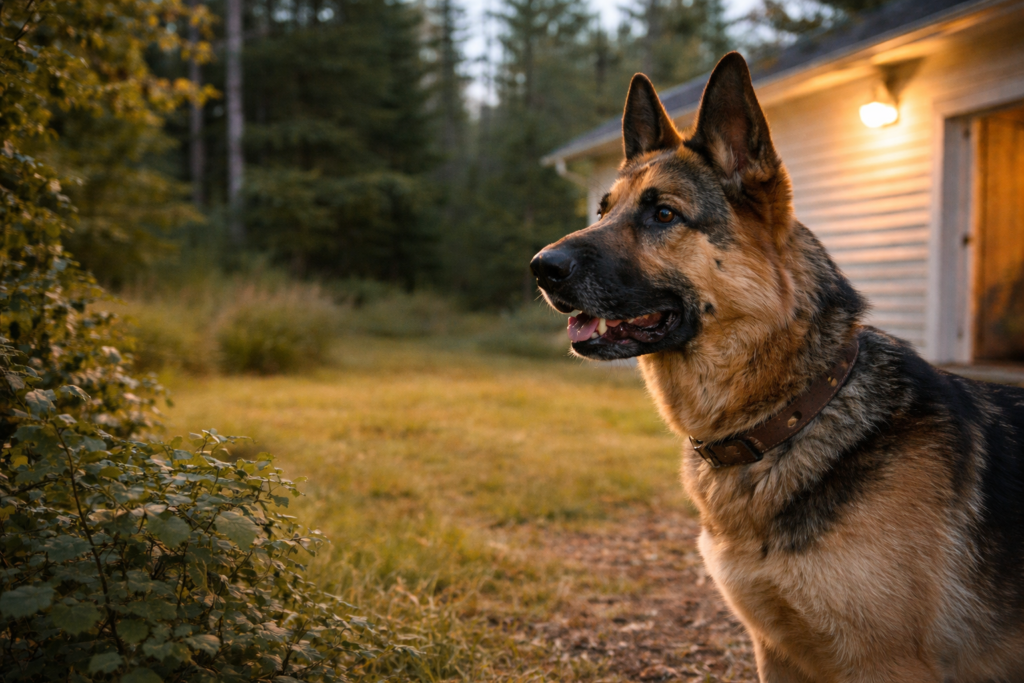
©Image license via PetsnPals/ChatGPT, Alert german shepherd in backyard twilight

Dogs do not guard space in a vacuum. Their patrol patterns evolve alongside animals moving through nearby yards, alleys, drainage corridors, and greenbelts. Coyotes, raccoons, deer, feral cats, and rodents leave constant scent and sound cues that dogs track unconsciously. What looks like random barking or pacing is often careful environmental monitoring. As wildlife increasingly overlaps with suburban and urban neighborhoods, dogs adapt their territorial behavior in precise ways that reflect ancient instincts operating inside modern landscapes.

Read more

When Intelligence Wasn’t Enough to Protect Humans

History’s most dangerous wild animal encounters didn’t favor human brains.

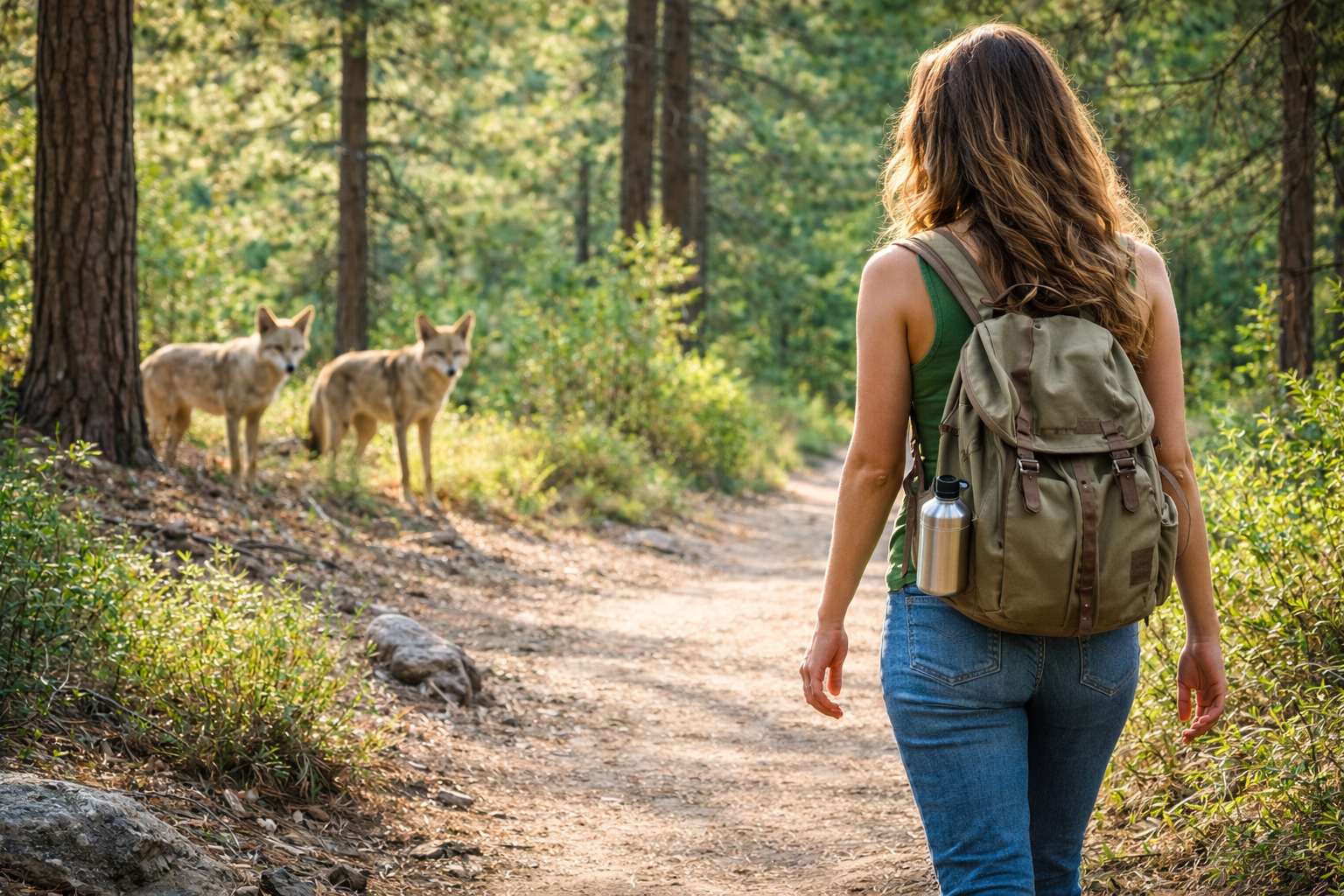
©Image PetsnPals/ChatGPT, Coyotes

Throughout history, humans were not always safely perched at the top of the food chain. Long before firearms, fences, and modern tools tilted the balance, many animals saw people as vulnerable prey. Some predators learned patterns, tested defenses, and adapted tactics to ambush or stalk humans directly. Even now, in certain regions, wildlife remains a serious threat, a reminder that dominance is conditional. From man-eating big cats to prehistoric hunters that shadowed early settlements, these animals were not just surviving, they were actively hunting. Their pressure shaped fear, cooperation, and innovation, quietly steering human evolution itself over thousands of years.

Read more

Scientists Say Several Dog Breeds Are on the Brink of Genetic Collapse

Beloved purebreds face a biological point of no return.

©Image license via Canva

Purebred dogs were shaped by history, geography, and human preference, but modern genetics is revealing an unintended cost. Across Europe and North America, researchers are documenting patterns once associated with endangered wildlife populations. Entire breeds now carry dangerously low genetic diversity, with inherited diseases stacking across generations. These are not distant risks or theoretical models. They are measurable changes happening now in clinics, breeding records, and DNA databases, forcing scientists to confront how close some familiar breeds are to irreversible genetic failure.

Read more